

Potting soil mixes for vegetables play an important role in helping container-grown vegetables develop strong roots and healthy growth .Growing healthy vegetables starts with more than just good seeds. One thing I’ve learned is that the soil you use can make a big difference in how well your plants grow. When the roots have the right environment, vegetables become stronger, healthier, and more productive.
Choosing the best potting soil for vegetables can feel confusing because there are so many options available. Some mixes hold moisture better, while others provide better drainage and nutrients. Knowing what to look for makes it much easier to pick the right one for your plants.
In this guide, I’ll go over what makes a good vegetable potting soil, which ingredients are worth looking for, and how to choose the best option for your container garden. Whether you’re growing tomatoes, peppers, herbs, or leafy greens, the right soil can help your plants thrive.
Why Soil Matters for Container Vegetables
Vegetable plants need more than just water and sunlight. Their roots need access to air, moisture, nutrients, and enough room to expand.
In an outdoor garden, roots can spread through a large area of soil. Containers are different. The root system is restricted to a relatively small amount of growing medium, which means the quality of that medium becomes especially important.
A good potting mix should provide:
- Good drainage
- Adequate moisture retention
- Air circulation around roots
- Nutrients for plant growth
- A loose and lightweight texture
- Stable structure throughout the growing season
Poor soil can become compacted, drain too slowly, or dry out too quickly. Any of these problems can affect vegetable growth.
What Makes the Best Potting Soil Mixes for Vegetables?
The best potting soil for vegetables is usually a balanced mix rather than a single ingredient. Choosing suitable potting soil mixes for vegetables can make it easier to maintain healthy roots in containers.
Different potting soil mixes for vegetables can be selected according to drainage, moisture retention, nutrients, and the type of crop you are growing.
A useful vegetable potting mix often contains a combination of organic matter, moisture-retaining material, and ingredients that improve drainage and aeration.
Look for these characteristics when choosing a commercial mix:
Good Drainage
Vegetable roots need moisture, but they also need oxygen. Soil that remains saturated for too long can create unhealthy root conditions.
Moisture Retention
A mix that drains extremely quickly may require constant watering. Good potting soil should hold enough moisture to support the plant while still allowing excess water to escape.
Nutrient Content
Vegetables are active growers and need nutrients throughout the season. Starting with nutrient-rich potting soil can give young plants a useful foundation.
Lightweight Texture
Container soil should not become extremely heavy or compacted. A loose mix makes it easier for roots to grow and allows better movement of air and water.
Appropriate pH
Most vegetables perform well in a slightly acidic to neutral growing medium. A quality commercial vegetable mix should generally provide a suitable pH range.
11 Best Potting Soil Options for Vegetables
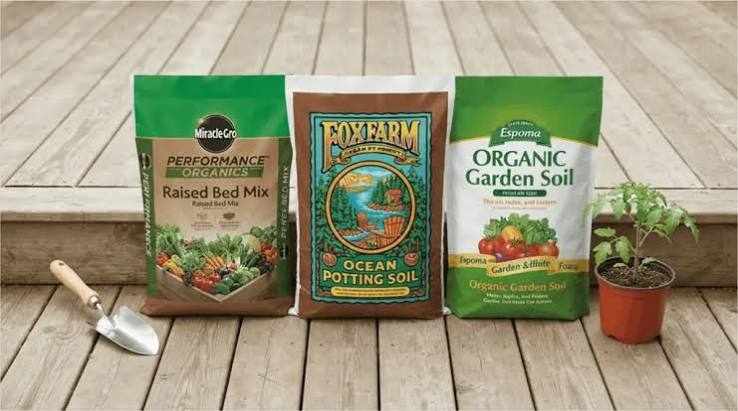
There is no single soil mix that is perfect for every vegetable. The following options represent different types of potting mixes and approaches you can use depending on your plants and growing conditions.
1. All-Purpose Vegetable Potting Mix
An all-purpose potting mix designed for vegetables is a practical choice for beginners.
These mixes are typically formulated to provide a balance of drainage, moisture retention, and nutrients. They can work well for common container crops such as tomatoes, peppers, beans, lettuce, and herbs.
If you are growing several types of vegetables in the same garden, an all-purpose vegetable mix can simplify your setup. An all-purpose option is one of the most convenient potting soil mixes for vegetables for beginners.
2. Peat-Based Potting Mix
Peat-based mixes have traditionally been popular because peat can hold moisture while keeping the growing medium relatively light.
A peat-based mix may be suitable for many container vegetables when combined with ingredients that improve drainage and aeration.
However, gardeners should consider the environmental concerns associated with peat and may prefer alternatives when available. Peat can be used as an ingredient in balanced potting soil mixes for vegetables when moisture retention is needed.
3. Coco Coir-Based Mix
Coco coir is made from coconut fiber and is widely used as an alternative growing medium.
It can hold moisture while maintaining a relatively airy texture. Coco coir is especially useful in container gardening because it is lightweight and can be combined with compost and other materials.
When using coco coir, pay attention to the quality and preparation of the product. Coco coir is a useful ingredient in potting soil mixes for vegetables because it can retain moisture while keeping the mix relatively light.
4. Compost-Enriched Potting Mix
Compost can add organic matter and nutrients to a vegetable growing medium.
A potting mix containing a moderate amount of quality compost can be helpful for vegetables that need steady nutrition.
However, compost should not necessarily make up the entire container mix. Too much organic material can affect drainage and may cause the mix to become dense. Quality compost can improve the organic matter content of potting soil mixes for vegetables.
5. Potting Mix with Perlite
Perlite is a lightweight mineral commonly added to potting mixes to improve drainage and aeration.
It can be particularly useful for vegetables that are sensitive to waterlogged roots.
Adding perlite to an existing potting mix can make the growing medium more porous and help excess water move away from the root zone. Perlite is often included in potting soil mixes for vegetables to improve drainage and aeration.
6. Potting Mix with Vermiculite
Vermiculite is another lightweight material used in growing mixes. It can help retain moisture while contributing to aeration.
It may be useful for moisture-loving vegetables and seedlings, although the ideal amount depends on the overall composition of the mix.
For plants that require excellent drainage, too much moisture-retaining material may not be desirable.
7. Organic Vegetable Potting Mix
Gardeners who prefer organic growing methods can choose a certified organic potting mix intended for vegetable gardening.
These products may contain materials such as compost, aged organic matter, coconut coir, and other approved ingredients.
When selecting an organic mix, read the product label carefully and make sure it is actually designed for container growing rather than assuming every soil labeled “organic” is suitable for pots.
8. Seed Starting Mix
Seed starting mix is designed for germinating seeds and supporting very young seedlings.
It is usually finer and lighter than standard potting soil. This allows small roots to establish more easily.
However, once seedlings become established, they generally need a more nutrient-rich growing medium.
Therefore, seed starting mix is useful for the early stage rather than necessarily being the best long-term soil for mature vegetables.
9. Homemade Vegetable Potting Mix
Making your own growing mix allows you to control the ingredients.
A simple starting formula can combine:
- Coco coir or another moisture-retaining base
- Compost
- Perlite or another drainage material
The proportions can be adjusted depending on the vegetables you are growing and the conditions in your containers.
A homemade mix can be economical when you have many containers, but it requires more preparation than buying a ready-made product. Making your own potting soil mixes for vegetables gives you greater control over the ingredients and texture.
10. Potting Mix for Raised Containers
Some gardeners grow vegetables in large containers or raised beds. These systems need a growing medium that provides both structure and drainage.
A mixture containing quality compost, organic matter, and lightweight components can work well.
Avoid filling large containers entirely with heavy garden soil because it can become compacted and make containers extremely difficult to move.
11. Lightweight Potting Mix
Lightweight mixes are especially useful for balconies, rooftops, hanging containers, and other areas where container weight matters.
These mixes commonly use materials that reduce density while maintaining adequate water retention and drainage.
For balcony vegetable gardening, a lightweight mix can make planting containers easier to handle and relocate.
Best Potting Soil for Different Vegetables
Different vegetables have different root systems and moisture preferences. Choosing a suitable mix can help you get better results. The best potting soil mixes for vegetables can vary depending on the crop, container size, and growing conditions.
Best Potting Soil for Tomatoes
Tomatoes are heavy-feeding plants that need consistent moisture and good drainage. They generally perform well in potting soil mixes for vegetables that provide nutrients while allowing excess water to drain.
Choose a nutrient-rich mix that remains loose and does not become waterlogged. Adding compost can help provide organic matter, while perlite can improve drainage.
Because tomatoes can become large, the container should also be appropriately sized.
Best Potting Soil for Peppers
Peppers generally perform well in a loose, well-draining potting mix.
Avoid extremely heavy soil that stays wet for long periods. A balanced mix containing organic matter and a drainage component can support healthy roots. A suitable potting soil mix for vegetables should provide peppers with moisture while allowing excess water to drain away.
Best Potting Soil for Lettuce
Lettuce has relatively shallow roots and appreciates consistent moisture.
A moisture-retentive potting mix can be useful, especially in warm weather. The mix should still drain excess water to prevent saturated conditions.
Best Potting Soil for Carrots
Carrots need loose soil because their roots grow downward.
Choose a fine, stone-free growing medium without large pieces of bark or compacted material. A deep container filled with loose potting mix can help carrots develop properly.
Best Potting Soil for Cucumbers
Cucumbers grow quickly and need consistent access to water and nutrients.
A rich but well-draining potting mix can provide a suitable foundation. Because cucumber plants can become large, use a container that gives the root system adequate space.
Best Potting Soil for Herbs
Many herbs can grow well in containers, but their requirements vary.
Mediterranean herbs such as rosemary, thyme, and oregano generally prefer excellent drainage and somewhat drier conditions. Herbs such as basil may appreciate more consistent moisture.
A general-purpose potting mix can work for many herbs when adjusted to the specific plant.
Potting Soil vs Garden Soil
One of the most important things to understand about container gardening is that garden soil and potting mix are not the same.
Garden soil is designed to exist in the ground, where it can interact with a much larger ecosystem and drainage area. When placed into a container, it can become dense and restrict airflow around the roots.
Potting mix is usually lighter and specifically designed for containers.
For most vegetables grown in pots, using a quality potting mix is a better choice than filling containers with ordinary garden soil.
Can You Use Compost as Potting Soil?
Compost is valuable, but using pure compost as the entire growing medium is generally not ideal.
Compost is rich in organic matter, but vegetables also need a structure that provides drainage and air around their roots.
Instead of using compost alone, combine it with suitable materials such as coco coir and perlite to create a more balanced growing medium.
The goal is to create a mix that supports roots rather than simply providing a large amount of organic material.
How to Make the Best Potting Soil for Vegetables at Home
Making your own vegetable potting mix can be a good option if you have several containers to fill. You can create your own potting soil mixes for vegetables by combining suitable moisture-retaining, organic, and drainage materials.
A basic homemade mixture can include:
Moisture-Retaining Base
Coco coir can provide moisture retention while keeping the mix relatively light.
Organic Matter
Well-made compost can contribute nutrients and organic matter.
Drainage Material
Perlite can improve drainage and help create air spaces in the growing medium.
Combine the ingredients thoroughly before filling your containers.
The exact ratio does not need to be identical for every vegetable. Plants with different moisture requirements may benefit from slightly different mixes.
How to Improve Poor Potting Soil
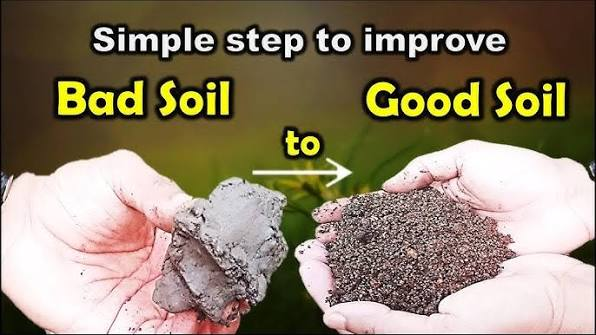
If your existing potting soil is too compact, drains poorly, or dries too quickly, you may be able to improve it.
For a dense mix, adding a suitable aeration component can improve its structure.
If the soil dries too rapidly, adding a moisture-retaining material such as coco coir may help.
If the mix lacks organic matter, a moderate amount of quality compost can improve it.
However, if the existing soil has serious drainage problems, replacing it with a better-quality mix may be easier than trying to correct it. Improving the structure of potting soil mixes for vegetables can help create a healthier environment for container-grown roots.
How Often Should You Replace Potting Soil?
Container soil gradually changes as plants grow. Organic material breaks down, nutrients are used, and the structure can become less suitable for roots.
For annual vegetables, many gardeners start each growing season with fresh or refreshed potting mix.
If you are reusing soil, remove old roots and plant debris and consider refreshing it with appropriate organic matter and other components.
Avoid repeatedly reusing soil without replenishing nutrients and checking its structure.
Common Potting Soil Mistakes to Avoid
Even the best potting soil for vegetables will not perform well if containers are managed incorrectly.
Using Garden Soil in Containers
Heavy garden soil can compact and restrict drainage.
Choosing a Mix That Holds Too Much Water
Constantly wet roots can lead to serious problems. Look for a mix that balances moisture retention with drainage.
Ignoring Container Drainage
Even excellent potting soil cannot compensate for a container with no drainage holes.
Using Only Compost
Compost is valuable, but pure compost may not provide the ideal structure for container vegetables.
Over-Fertilizing
Adding large amounts of fertilizer can damage roots. Follow product directions and consider the nutrients already present in the potting mix.
Choosing Soil Without Considering the Vegetable
A moisture-loving lettuce plant and a drought-tolerant herb do not necessarily need exactly the same growing conditions.
How to Choose the Best Potting Soil for Vegetables
Before buying a bag of potting soil, look at the label and consider your growing situation. The right potting soil mixes for vegetables should match the moisture, drainage, and nutrient requirements of your crops.
Ask yourself:
- Is the mix designed for containers?
- Does it provide good drainage?
- Does it contain organic matter?
- Does it retain enough moisture?
- Is it suitable for vegetables?
- Does the container have drainage holes?
- Does the mix seem excessively heavy?
- Does it contain fertilizer, and if so, how much?
The best potting soil for vegetables is ultimately the mix that provides the right balance for your particular plants and growing conditions.
Frequently Asked Questions About Vegetable Potting Soil
What Are the Best Potting Soil Mixes for Vegetables?
The best potting soil for vegetables is a loose, nutrient-rich, well-draining mix that retains enough moisture for roots without becoming waterlogged.
Can I use regular potting soil for vegetables?
Yes, many general-purpose potting mixes can work for vegetables if they provide good drainage, suitable moisture retention, and adequate nutrients.
Is garden soil good for container vegetables?
Garden soil is generally not the best choice for containers because it can become compacted and restrict drainage and airflow around roots.
Should vegetable potting soil contain compost?
Compost can be a useful ingredient because it adds organic matter and nutrients. However, it is generally better used as part of a balanced mix rather than as the entire growing medium.
Is coco coir good for vegetable plants?
Coco coir can be useful because it holds moisture while maintaining a relatively lightweight structure. It can be combined with compost and drainage materials to create a vegetable potting mix.
Is perlite good for vegetable potting soil?
Perlite can improve drainage and aeration, making it a useful component in many container mixes.
What soil is best for growing tomatoes in pots?
Tomatoes generally perform well in a nutrient-rich, loose, well-draining potting mix that can hold consistent moisture without becoming saturated.
What is the best soil for carrots in containers?
Carrots need loose, fine, relatively stone-free soil that allows their roots to grow downward without obstruction. A deep container is also important.
How often should I water vegetables in potting soil?
Watering frequency depends on the vegetable, container size, weather, soil composition, and amount of sunlight. Check the moisture level of the soil rather than following a fixed schedule.
Can I make my own vegetable potting soil?
Yes. A basic homemade mix can combine coco coir, quality compost, and perlite or another suitable drainage component. The proportions can be adjusted according to the vegetables and growing conditions.
How do I know if my potting soil drains well?
After watering, excess water should be able to leave through the drainage holes. If the soil remains saturated for a long time, the mix may be too dense or the container may have inadequate drainage.
Does potting soil expire?
Potting mix does not necessarily have a strict expiration date, but its quality can decline over time if it becomes compacted, contaminated, or loses its structure. Store unused mix in a dry, protected location.
Final Thoughts
Using the best potting soil for vegetables is one of the easiest ways to give your plants a healthy start. Good soil provides the right balance of nutrients, drainage, and moisture, helping vegetables grow stronger from the roots up.
Keep in mind that even the best potting mix needs proper watering and regular care to give the best results. Paying attention to your plants and making small adjustments when needed can make a noticeable difference throughout the growing season.
I hope this guide makes it easier for you to choose the right potting soil for your vegetable garden. With a good soil mix and a little patience, you can enjoy healthier plants and a better harvest, whether you’re gardening in containers or raised beds.