

Growing tomatoes at home can be a really fun and rewarding experience, especially when you get to pick fresh tomatoes straight from your own garden. You don’t need a huge garden to grow them either. With the right spot, good soil, and a little regular care, tomatoes can grow well in containers or garden beds.
If you’re growing tomatoes for the first time, you might be wondering when to plant them, how much water they need, or where they should be placed. These things can make a big difference in how healthy your plants become, but they are not as difficult as they may seem.
In this guide, I’ll explain how to grow tomatoes step by step, from choosing the right variety and planting to watering, sunlight, and basic care. With a little patience and attention, you can grow healthy tomato plants and enjoy a fresh harvest at home.
Why Grow Tomatoes at Home?
Store-bought tomatoes can be convenient, but homegrown tomatoes offer a completely different gardening experience. This guide explains how to grow tomatoes successfully from planting to harvest.
Freshly picked tomatoes can have excellent flavor, and growing your own plants allows you to choose varieties that may not always be available at local grocery stores.
Home gardening also gives you control over the growing environment. You can select your soil, choose suitable organic matter, manage watering, and decide which varieties are best for your garden.
For beginners, tomatoes are also useful plants for learning basic gardening skills because they respond clearly to changes in light, water, nutrients, and temperature.
How to Grow Tomatoes From the Start
Successful tomato growing begins before the plants go into the ground.
Choose a sunny location, select a variety that suits your climate and available space, prepare nutrient-rich soil, and wait until outdoor conditions are warm enough.
In much of the United States, tomatoes are planted after the danger of frost has passed. However, the exact planting time varies considerably by region.
Gardeners in warmer areas may have a longer growing season, while gardeners in colder northern regions may need to wait longer or start plants indoors. Learning how to grow tomatoes at home can also help beginners understand basic gardening techniques.
1. Choose the Right Tomato Variety
One of the most important steps in learning how to grow tomatoes is choosing a variety that matches your garden.
Tomatoes come in many shapes, colors, sizes, and growth habits.
- Cherry tomatoes
- Roma tomatoes
- Beefsteak tomatoes
- Heirloom tomatoes
- Paste tomatoes
- Slicing tomatoes
- Determinate tomatoes
- Indeterminate tomatoes
Determinate tomatoes tend to grow to a more defined size and produce much of their crop within a relatively concentrated period.
Indeterminate varieties continue growing and producing fruit over a longer period when conditions remain favorable. They generally need sturdy support because their vines can become quite large.
For containers, compact or determinate varieties can be particularly convenient.
2. Start With Healthy Tomato Plants
If you are new to gardening, buying healthy tomato transplants from a reputable local nursery or garden center can be easier than starting from seed.
Look for plants with strong stems, healthy green leaves, and no obvious signs of pests or disease.
Avoid plants that appear severely wilted, damaged, or covered with insects.
If you prefer growing from seed, start seeds indoors several weeks before your area’s recommended outdoor planting period and provide adequate light.
3. Plant Tomatoes After Frost Risk Has Passed
Tomatoes are warm-season crops and do not perform well in freezing conditions.
For many U.S. gardeners, the safest time to transplant tomatoes outdoors is after the local last frost date, once soil and nighttime temperatures are sufficiently warm.
Because the United States contains several climate zones, there is no single planting date that works everywhere.
Check your local frost date and regional gardening recommendations before planting.
Tomato Planting Seasons by Region
In warmer parts of the southern United States, gardeners may be able to plant tomatoes earlier and enjoy a longer season.
In the Midwest and Northeast, planting is usually delayed until spring temperatures become consistently suitable.
In the Pacific Northwest, gardeners often need to pay close attention to cool temperatures and shorter growing seasons.
In hot southern regions, extreme summer heat can also reduce fruit set, so timing becomes especially important.
4. Choose a Location With Full Sun
Tomatoes need plenty of sunlight for strong growth and fruit production.
Choose a location that receives around 6 to 8 hours of direct sunlight per day when possible.
Avoid planting tomatoes in a location shaded by large trees, buildings, or fences for most of the day.
If growing tomatoes in containers, remember that the sunniest location may change throughout the season. You can sometimes move containers to maintain better exposure.
Adequate sunlight is one of the most important answers to the question of how to grow tomatoes successfully.
5. Prepare Rich, Well-Draining Soil
Tomatoes grow best in fertile soil that holds enough moisture while still allowing excess water to drain.
Before planting, improve poor garden soil with appropriate organic matter such as well-aged compost.
Avoid heavy, compacted soil that remains saturated after watering.
If you are using raised beds, choose a quality growing medium designed for vegetable gardening.
For containers, use a quality potting mix rather than ordinary garden soil, which can become compacted inside pots.
6. Give Tomato Plants Enough Space
Tomato plants need room for their roots, stems, and foliage.
Crowding plants too closely can reduce air circulation and make it more difficult to inspect the leaves or harvest fruit.
Follow the spacing recommendations for your particular variety.
Compact patio tomatoes require less space than vigorous indeterminate varieties.
Good spacing also makes watering, pruning, staking, and harvesting easier.
7. Plant Tomatoes Deeply
Tomatoes have a useful ability to develop roots along portions of their buried stems.
When transplanting, gardeners can often plant tomatoes somewhat deeper than many other vegetable plants, leaving the appropriate upper foliage above the soil.
Remove lower leaves that would otherwise be buried.
A strong root system can help the plant establish itself and support vigorous growth.
Handle the transplant carefully and water it thoroughly after planting.
8. Water Tomatoes Consistently
Consistent watering is essential when learning how to grow tomatoes.
Tomatoes need adequate moisture for healthy growth and fruit development, but constantly saturated soil can create root problems.
Water deeply rather than giving the plant tiny amounts every day.
The exact watering frequency depends on temperature, rainfall, soil type, container size, and plant maturity.
During hot, dry weather, container tomatoes may need water more frequently than plants growing in the ground.
Always check the soil before watering instead of relying on a fixed schedule.
9. Water the Soil, Not the Leaves
Whenever possible, direct water toward the soil around the base of the plant rather than repeatedly wetting the foliage.
Keeping leaves dry can help reduce conditions that favor certain fungal diseases.
A soaker hose or drip irrigation system can make watering easier, especially if you have several plants.
Adding a layer of suitable organic mulch around the plant can also help conserve soil moisture and reduce rapid changes in soil moisture.
Keep mulch slightly away from direct contact with the stem.
10. Add Support Early
Many tomato plants become heavy once fruit begins developing.
Install a cage, stake, or trellis early rather than waiting until the plant becomes large.
Indeterminate varieties especially benefit from strong support because their stems can continue growing throughout the season.
Supporting plants keeps fruit and foliage more organized and can make harvesting easier.
A sturdy support can also prevent branches from bending or breaking under the weight of tomatoes.
11. Prune Tomatoes Carefully
Pruning requirements depend on the variety and your preferred growing method.
Some gardeners remove selected suckers or lower growth to improve plant structure, while others allow the plant to grow more naturally.
Avoid excessive pruning because leaves are important for photosynthesis and fruit production.
For indeterminate varieties, moderate pruning can help keep vigorous plants manageable.
Determinate varieties generally require less pruning.
Before cutting, identify the type of tomato you are growing and understand its natural growth habit.
12. Feed Tomatoes During the Growing Season
Tomatoes are productive plants and may benefit from appropriate nutrition.
Before adding fertilizer, consider your soil quality and whether you have already incorporated compost or other nutrients.
Use a fertilizer intended for vegetables and follow the label directions carefully.
Avoid applying excessive nitrogen. Too much nitrogen can encourage lush foliage while reducing the balance between vegetative growth and fruit production.
A soil test can be helpful when you are unsure about nutrient levels in a garden bed.
13. Mulch Around Tomato Plants
Mulching can provide several benefits.
A suitable organic mulch can help reduce moisture loss, moderate soil temperature, and reduce soil splashing onto foliage during watering or rainfall.
Materials such as clean straw, shredded leaves, or other appropriate organic mulch can work well.
Do not pile mulch directly against the tomato stem.
A properly mulched tomato bed can be easier to maintain during hot summer weather.
14. Watch for Pests and Diseases
Regular inspection is one of the easiest ways to protect tomato plants.
Check the undersides of leaves and inspect stems and developing fruit.
Common tomato problems may include:
- Aphids
- Tomato hornworms
- Whiteflies
- Spider mites
- Fungal leaf diseases
- Blossom-end rot
- Cracked fruit
- Nutrient-related problems
If you notice a problem, identify the likely cause before treating the plant.
Removing severely damaged leaves, improving airflow, watering appropriately, and maintaining good garden hygiene can help reduce some problems.
15. Harvest Tomatoes at the Right Time
Knowing when to harvest is an important part of how to grow tomatoes.
Many tomatoes can be harvested when they have developed their mature color and have begun to soften slightly.
Some gardeners pick fruit just before full ripeness and allow it to finish ripening indoors, especially when weather or pests are a concern.
Use clean hands or garden shears when harvesting and avoid damaging the plant.
Regular harvesting can also encourage continued production in many varieties.
How to Grow Tomatoes in Containers
You do not need a traditional backyard garden to grow tomatoes. If you are wondering how to grow tomatoes without a backyard, containers are an excellent option.
Choose a large container with drainage holes and select a variety suitable for container growing.
Use quality potting mix and place the container where it receives plenty of sunlight.
Container plants often dry out faster than plants growing in garden soil, particularly during hot weather.
Check moisture regularly and make sure excess water can drain freely.
Compact determinate and patio varieties can be especially convenient for containers.
How to Grow Tomatoes in a Raised Bed
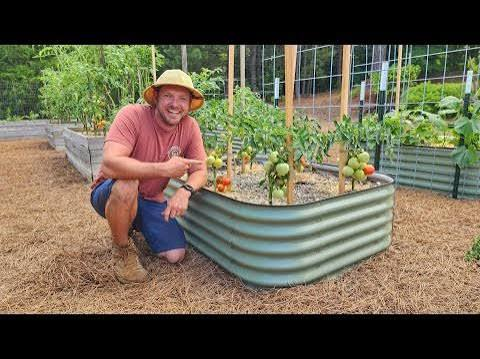
Raised beds can provide excellent conditions for tomatoes when filled with quality soil.
Choose a sunny location and space plants according to their mature size.
Add compost or another suitable organic amendment before planting if needed.
Because raised beds can drain efficiently, monitor moisture during hot weather.
A sturdy cage or trellis is especially useful for vigorous varieties.
How to Grow Tomatoes From Seeds
Starting tomatoes from seed gives you access to a much wider selection of varieties.
Start seeds indoors in a clean seed-starting medium and provide strong light.
Once seedlings develop several true leaves and outdoor temperatures are suitable, gradually acclimate them to outdoor conditions.
This process, often called hardening off, helps reduce transplant shock.
Move seedlings outdoors gradually rather than placing tender indoor seedlings directly into harsh outdoor conditions.
Common Tomato Growing Mistakes
Even when you understand how to grow tomatoes, a few common mistakes can reduce your harvest.
Planting Too Early
Cold soil and frost can damage young tomato plants.
Too Little Sunlight
Insufficient light can lead to weak growth and poor fruit production.
Inconsistent Watering
Large swings between very dry and very wet soil can stress plants and contribute to fruit problems.
Poor Air Circulation
Crowded plants can create a humid environment around the foliage.
Weak Supports
Large tomato plants can become too heavy for small stakes or weak cages.
Too Much Fertilizer
Excessive fertilizer, particularly nitrogen, can encourage leaves instead of balanced fruit production.
Why Are My Tomato Plants Turning Yellow?
Yellow leaves can have many causes.
Older lower leaves may naturally yellow as the plant ages, but widespread yellowing can indicate watering problems, nutrient deficiencies, disease, or root stress.
Check the soil moisture first.
If the soil is constantly wet, improve drainage and adjust watering.
If the entire plant appears pale and growth is poor, consider whether nutrition or another environmental issue may be involved.
Avoid adding fertilizer blindly without identifying the likely cause.
Why Are My Tomato Flowers Falling Off?
Tomato flowers may drop without producing fruit when growing conditions are unfavorable.
High temperatures, especially during periods of extreme heat, can interfere with pollination and fruit set.
Cold temperatures can also cause problems.
In addition, severe plant stress from inconsistent watering may contribute.
Providing appropriate moisture and avoiding unnecessary stress can improve the plant’s ability to set fruit when temperatures become suitable.
Why Are My Tomatoes Cracking?
Cracking often occurs when tomatoes experience rapid changes in water availability, particularly after a dry period followed by heavy watering or rainfall.
Consistent soil moisture can help reduce the risk.
Mulching can also help maintain more even soil moisture.
Some varieties may naturally be more prone to cracking than others.
Why Do Tomatoes Get Blossom-End Rot?
Blossom-end rot appears as a dark, sunken area on the bottom of developing fruit.
It is commonly associated with inconsistent calcium availability in the developing fruit, often influenced by irregular water uptake.
Maintaining consistent soil moisture is an important part of prevention.
Avoid allowing plants to repeatedly become severely dry and then heavily watering them.
Best Tomato Growing Tips for Beginners
If this is your first tomato garden, keep the process simple.
Choose a variety suited to your space and climate.
Give it plenty of sunlight.
Use fertile, well-draining soil.
Water consistently.
Add support early.
Monitor the plant regularly.
Harvest when the fruit is ready.
Do not try to correct every small leaf issue immediately. Observe the plant and make changes based on clear symptoms.
A Simple Tomato Care Routine
A straightforward routine can keep tomato plants productive throughout the season.
Every Few Days
Check soil moisture, especially during hot weather.
Look for insects, damaged leaves, and signs of disease.
Once a Week
Inspect new growth, check supports, and harvest ripe tomatoes.
Remove clearly damaged foliage when appropriate.
Throughout the Growing Season
Keep plants supported, maintain consistent moisture, and monitor their overall growth.
Adjust watering according to rainfall and temperature rather than following a rigid calendar.
Frequently Asked Questions About How to Grow Tomatoes
How much sunlight do tomatoes need?
Tomatoes generally perform best with around 6 to 8 hours of direct sunlight each day.
What is the best soil for growing tomatoes?
Tomatoes prefer fertile, well-draining soil that retains enough moisture for healthy growth. Compost and other suitable organic matter can improve poor soil.
When should I plant tomatoes?
Planting time depends on your local climate. In many parts of the United States, tomatoes are transplanted outdoors after the danger of frost has passed and temperatures have become suitable.
How often should I water tomato plants?
Water when the soil begins to dry, providing a thorough watering rather than frequent shallow amounts. Hot weather and container growing may require more frequent watering.
Should tomato plants be pruned?
It depends on the variety. Indeterminate tomatoes may benefit from selective pruning and training, while determinate varieties usually require less pruning.
Do tomatoes grow well in containers?
Yes. Choose a sufficiently large container with drainage holes and a tomato variety suitable for container growing.
How long does it take to grow tomatoes?
The time from planting to harvest varies by variety and growing conditions. Some early varieties produce fruit relatively quickly, while larger or heirloom varieties may take longer.
Why are my tomato plants not producing fruit?
Poor fruit production can result from unsuitable temperatures, insufficient sunlight, inconsistent watering, nutrient imbalance, or pollination problems.
Can tomatoes grow in partial shade?
Tomatoes generally produce best in full sun. Plants grown with insufficient light may have weaker growth and reduced fruit production.
What is the easiest tomato variety for beginners?
Cherry and compact varieties can be relatively beginner-friendly because they often grow well in containers and produce fruit without requiring as much space as large indeterminate varieties.
Final Thoughts
Growing tomatoes at home is not as difficult as it may seem. Once your plants get enough sunlight, proper watering, and good soil, they can grow really well with regular care. Watching the first tomatoes appear and slowly change color can also be one of the most enjoyable parts of gardening.
Just remember that tomato plants need a little attention as they grow. Check the soil before watering, give the plants enough space, and support them as they get taller. Small things like these can help your plants stay strong and produce a better harvest.
I hope this guide has made learning how to grow tomatoes a little easier for you. Whether you’re growing them in a garden bed, pot, or small balcony, with some patience and care, you can enjoy fresh homegrown tomatoes right from your own space.