

Companion planting is a simple gardening method where certain plants are grown together because they can benefit each other. Some plants may help attract useful insects, improve the soil, or even help protect nearby plants from pests. It can be a really useful idea, especially if you’re trying to make the most of your garden space.
But knowing which plants grow well together can sometimes be confusing, especially when you’re just getting started. That’s where a companion planting chart can make things much easier. In this guide, I’ll share some common plant combinations and explain which vegetables, herbs, and flowers can be good companions in the garden.
What Is Companion Planting?
Companion planting is the practice of growing different plant species near one another based on their growing characteristics and potential interactions.
Gardeners may choose companions because plants have different heights, root patterns, growth habits, or nutrient needs. Some combinations may also help attract pollinators or beneficial insects.
For example, tall plants can sometimes provide partial shade for shorter crops, while low-growing plants can help make use of space beneath taller crops.
Companion planting should not be viewed as a guaranteed pest-control or yield-boosting method. Results can vary depending on climate, soil, garden design, pests, and individual plant varieties.
Why Use a Companion Planting Chart?
A companion planting chart makes garden planning easier because you can quickly compare common vegetables, herbs, and flowers.
Instead of searching for every plant combination separately, a chart allows you to see which plants are commonly paired together.
It can be especially helpful when:
- Planning a new vegetable garden
- Designing raised beds
- Growing vegetables in containers
- Maximizing a small backyard
- Choosing herbs to plant near vegetables
- Adding flowers to vegetable beds
- Organizing plants by height and growth habit
The chart below provides a practical starting point for common garden crops.
Companion Planting Chart for 25 Popular Garden Plants
| Main Plant | Good Companion Plants | Plants to Avoid or Separate |
|---|---|---|
| Tomatoes | Basil, carrots, lettuce, marigolds | Large brassicas nearby |
| Carrots | Lettuce, onions, peas, radishes | Some strong-growing plants |
| Cucumbers | Dill, beans, peas, radishes | Aromatic herbs in some layouts |
| Peppers | Basil, carrots, onions, marigolds | Fennel |
| Lettuce | Radishes, carrots, cucumbers, chives | Crowded vigorous plants |
| Beans | Corn, cucumbers, radishes | Onions, garlic |
| Corn | Beans, cucumbers, squash | Very tall competing plants |
| Squash | Corn, beans, radishes | Crowded small beds |
| Potatoes | Beans, peas, horseradish | Tomatoes, peppers |
| Onions | Carrots, lettuce, tomatoes | Beans, peas |
| Garlic | Carrots, lettuce, tomatoes | Beans, peas |
| Radishes | Lettuce, spinach, cucumbers | Overcrowded crops |
| Spinach | Radishes, peas, lettuce | Plants that create excessive shade |
| Peas | Carrots, radishes, lettuce | Onions, garlic |
| Broccoli | Celery, onions, herbs | Tomatoes in crowded spaces |
| Cabbage | Dill, celery, onions | Strawberries in some gardens |
| Kale | Dill, onions, celery | Crowded vigorous crops |
| Eggplant | Beans, peppers, marigolds | Fennel |
| Zucchini | Corn, beans, dill | Overcrowded beds |
| Beets | Lettuce, onions, radishes | Pole beans in tight spaces |
| Asparagus | Basil, parsley, tomatoes | Onion-family crops nearby |
| Strawberries | Borage, lettuce, spinach | Cabbage-family crops in some layouts |
| Marigolds | Tomatoes, peppers, beans | Few major conflicts |
| Basil | Tomatoes, peppers | Very cold conditions |
| Dill | Cucumbers, lettuce, cabbage | Crowding with small plants |
This companion planting chart is a planning guide rather than a strict scientific rulebook. Garden performance can vary depending on variety, climate, soil, spacing, and growing conditions.
Best Tomato Companion Plants
Tomatoes are among the most popular crops in American home gardens, and they have several commonly recommended companions.
Basil
Basil and tomatoes are a classic garden combination. They also work well together in containers and raised beds.
Basil stays relatively compact, allowing gardeners to use space around larger tomato plants.
Carrots
Carrots can make use of soil space around tomatoes, although mature tomato foliage should not completely shade the carrots.
Lettuce
Lettuce can be grown around young tomato plants early in the season before the tomato canopy becomes large.
This is an example of using space efficiently rather than relying on a special plant-to-plant effect.
Marigolds
Marigolds are popular in vegetable gardens because their bright flowers add visual interest and attract pollinators and other insects.
Best Companion Plants for Peppers
Peppers grow well in warm, sunny conditions and can be combined with several compact crops.
Basil
Basil can grow near peppers and makes good use of nearby space.
Carrots
Carrots grow underground while peppers occupy the upper space, creating a useful combination in suitable soil.
Onions
Onions have a different growth habit from peppers and can fit into some garden layouts.
Marigolds
Adding marigolds around peppers can bring color and diversity to the garden.
Best Companion Plants for Cucumbers
Cucumbers are vigorous vines and need enough space to spread or climb.
Dill
Dill can attract beneficial insects and fits naturally into many vegetable gardens.
Radishes
Radishes mature quickly and can make productive use of space near young cucumber plants.
Beans
Beans and cucumbers can be combined when spacing is planned carefully.
Peas
Peas may also be suitable companions during compatible growing seasons.
Best Companion Plants for Carrots
Carrots develop edible roots beneath the soil, which means they can share space with crops that occupy different vertical levels.
Good options include:
- Lettuce
- Radishes
- Peas
- Onions
- Chives
Radishes can be especially useful because they mature faster and can mark carrot rows while the carrots are developing.
Best Companion Plants for Lettuce
Lettuce is a compact crop that can fit into many garden designs.
Common companions include:
- Radishes
- Carrots
- Cucumbers
- Chives
- Spinach
- Peas
Because lettuce prefers cooler conditions than many summer vegetables, consider seasonal timing when combining it with warm-season crops.
Best Companion Plants for Beans
Beans can be productive plants, but they require thoughtful spacing.
Beans are commonly grown with:
- Corn
- Cucumbers
- Radishes
- Lettuce
- Squash
Corn and beans are particularly interesting in traditional companion-planting systems because the crops have different growth habits.
The Three Sisters Garden
The Three Sisters method is a traditional Indigenous agricultural system involving corn, beans, and squash.
The basic idea uses three crops with complementary growth habits:
- Corn provides vertical support.
- Beans climb upward.
- Squash spreads across the ground.
This system is more than simply placing three plants together. Successful implementation depends on spacing, timing, soil, climate, and local growing conditions.
For modern home gardeners, the concept can inspire efficient use of vertical and horizontal garden space.
Companion Plants for Zucchini and Squash
Squash and zucchini need considerable space because their leaves can become large.
Common companion choices include:
- Corn
- Beans
- Dill
- Radishes
- Marigolds
When planting squash, avoid overcrowding. A fast-growing squash plant can quickly cover neighboring crops.
Companion Plants for Potatoes
Potatoes grow underground and have different space requirements from many leafy crops.
Commonly suggested companions include:
- Beans
- Peas
- Horseradish
Gardeners often avoid planting potatoes directly beside tomatoes and peppers because these crops belong to the same plant family and may share certain disease risks.
Crop rotation is especially important when growing related crops year after year.
Companion Planting With Herbs
Herbs can be useful additions to vegetable gardens because many have compact growth habits and attractive flowers.
Popular garden herbs include:
Basil
Works well around tomatoes and peppers.
Dill
Can be planted near cucumbers and members of the cabbage family.
Chives
Their compact form makes them suitable around lettuce and carrots.
Parsley
Parsley can fit into mixed herb and vegetable gardens while providing edible foliage.
Flowers in a Companion Planting Garden
Flowers are not just decorative.
Adding flowering plants can increase garden diversity and provide resources for pollinators and beneficial insects.
Popular choices include:
- Marigolds
- Zinnias
- Nasturtiums
- Borage
- Sunflowers
- Cosmos
Instead of treating flowers as separate from the vegetable garden, consider integrating them around beds and pathways.
Companion Planting Chart for Raised Beds
Raised beds are excellent for companion planting because you have more control over soil, spacing, and garden layout.
A simple raised-bed arrangement could include:
Bed 1: Tomatoes + basil + marigolds
Bed 2: Carrots + lettuce + radishes
Bed 3: Peppers + onions + basil
Bed 4: Cucumbers + dill + radishes
Bed 5: Beans + carrots + lettuce
Before planting, consider the mature size of each crop. A tiny seedling may eventually become a large plant that shades everything around it.
Companion Planting for Small Gardens
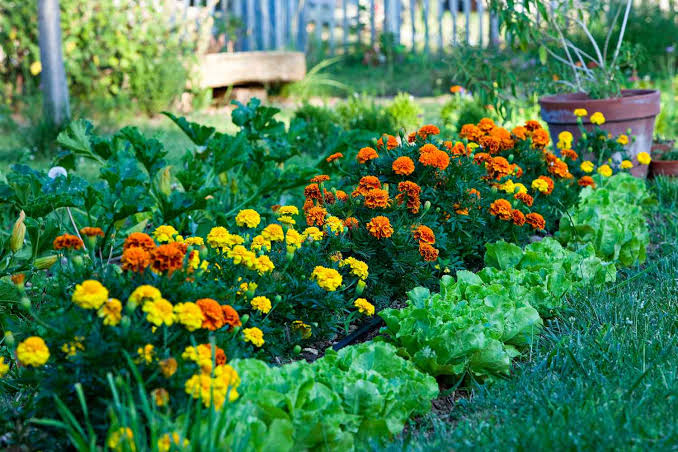
You do not need acres of land to use companion planting.
Small-space gardeners can combine plants based on height and growth habit.
For example, a container might contain a compact pepper plant with basil nearby.
A raised bed could combine carrots with lettuce and radishes.
A trellis can allow cucumbers to grow vertically while smaller crops use the soil below.
The key is to avoid overcrowding.
Companion Planting for Container Gardens
Container gardening requires extra attention because roots share a limited amount of soil.
Choose plants with similar light and watering requirements.
For example:
- Tomato + basil
- Pepper + basil
- Lettuce + radish
- Cucumber + dill
Use a sufficiently large container and make sure it has drainage holes.
Avoid combining a drought-tolerant plant with a crop that requires consistently moist soil in the same container.
Plants That Should Not Be Grown Together
Companion planting advice online can sometimes become confusing because different charts provide different recommendations.
Rather than memorizing every possible combination, focus on practical issues.
Avoid Overcrowding
Even compatible plants can perform poorly when planted too closely.
Consider Related Crops
Plants from the same family may share pests and diseases, so rotating crop families can be useful.
Watch for Aggressive Growth
Vigorous vines can overwhelm smaller plants.
Consider Different Water Needs
Do not place drought-tolerant plants next to crops that require frequent moisture unless you can manage their watering separately.
Think About Sunlight
A tall plant can cast shade over a crop that needs full sun.
How to Read a Companion Planting Chart
A companion planting chart is easiest to use when you look at more than just the “good” and “bad” columns.
Start with your main crop.
Then consider:
- How much sunlight does it need?
- How large will it become?
- Does it climb or spread?
- How much water does it need?
- What plants have compatible growing requirements?
- Will one plant shade another?
- Will the roots compete for limited space?
This approach helps you create a practical garden rather than simply following a list.
Common Companion Planting Mistakes
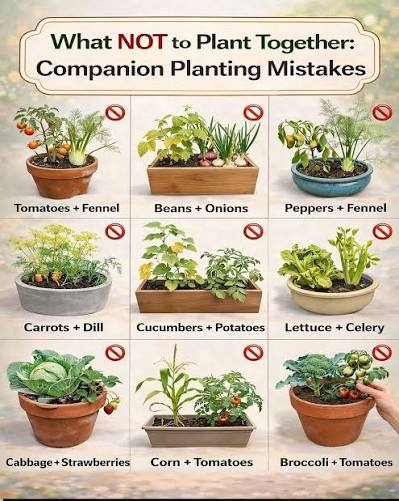
Planting Too Many Crops Together
Companion planting does not mean every plant should be crowded into one bed.
Ignoring Plant Size
Always consider mature plant size.
Forgetting Crop Rotation
Planting the same crop family in the same location repeatedly can increase certain soil-related pest and disease problems.
Choosing Plants With Different Water Needs
A mixed bed works best when plants have reasonably compatible environmental requirements.
Treating Companion Planting as Pest Control
Companion planting may support garden biodiversity, but it should not replace proper pest monitoring and management.
How to Create Your Own Companion Planting Chart
You can create a personalized chart based on the crops you actually grow.
Start by listing your main vegetables.
Then add compatible herbs and flowers.
For each plant, record:
- Sunlight requirement
- Water requirement
- Mature size
- Plant family
- Growth habit
- Suitable companions
- Crops to separate
This customized approach is often more useful than using a generic chart because every garden has different conditions.
Companion Planting Tips for U.S. Gardeners
Garden conditions vary significantly across the United States.
A gardener in Florida may have a very different growing season from someone in Minnesota.
Gardeners in Arizona may need to focus heavily on heat and irrigation, while gardeners in the Pacific Northwest may deal with cooler temperatures and wet conditions.
Use your USDA hardiness zone and local planting calendar as a starting point, but remember that hardiness zones are primarily designed around perennial plant survival and do not provide every detail needed for vegetable planting dates.
Local extension services, seed packets, and regional gardening calendars can provide more specific seasonal information.
Frequently Asked Questions About Companion Planting Chart
What is a companion planting chart?
A companion planting chart is a reference that lists plants commonly grown together and combinations that gardeners often separate.
What is the best companion plant for tomatoes?
Basil, carrots, lettuce, and marigolds are commonly used around tomatoes. The best choice also depends on available space and growing conditions.
Can tomatoes and basil grow together?
Yes. Tomatoes and basil can be grown together when both plants have enough sunlight, water, and space.
What vegetables should not be planted together?
There is no universal list that applies to every garden. Consider plant family, mature size, water needs, sunlight, and disease risks when deciding which crops to combine.
Can you use companion planting in containers?
Yes. Containers can work well for companion planting when the plants have similar light, water, and space requirements.
Does companion planting really work?
Some companion-planting combinations have practical benefits related to space use, biodiversity, pollination, or plant growth habits. However, many popular claims about specific plants repelling pests are not consistently supported by strong evidence.
What are the Three Sisters plants?
The Three Sisters are corn, beans, and squash. They are traditionally grown together in a system that uses their different growth habits.
Can marigolds be planted with vegetables?
Yes. Marigolds are commonly included in vegetable gardens because they add flowers and can support garden biodiversity.
Can I use companion planting in a raised bed?
Absolutely. Raised beds are particularly convenient because you can control spacing, soil, and plant arrangement.
How far apart should companion plants be?
Spacing depends on the individual crop. Always check the recommended spacing for each variety rather than using one distance for every plant.
Final Thoughts
Companion planting can be a simple way to make your garden more productive and enjoyable. Choosing the right plants to grow together can help you use your garden space better while also creating a healthier environment for your plants.
It’s always a good idea to try different combinations and see what works best in your own garden. Not every plant will grow well with every other plant, so paying attention to how your plants respond can help you learn what works for you.
I hope this companion planting chart makes it easier for you to plan your garden and choose the right plant combinations. With a little planning and regular care, you can create a garden where your plants grow happily side by side.