

Not every garden gets plenty of sunlight, and that doesn’t mean you have to give up on growing beautiful plants. There are actually many shade loving plants that can do well in areas where the sunlight is limited. They can be a great way to add some greenery to darker corners of your garden or home.
Finding the right plant for a shady spot is important because every plant has different light needs. Some can handle deep shade, while others prefer a little filtered or indirect sunlight during the day. Once you know what your space offers, choosing the right plant becomes much easier.
In this guide, we’ll look at some beautiful shade loving plants that are worth adding to your garden. Whether you have a shaded backyard, a covered patio, or a room with low light, there are plenty of options that can bring a fresh and natural look to your space.
What Are Shade Loving Plants?
Shade loving plants are plants that can grow successfully in areas with limited direct sunlight.
However, “shade” does not always mean complete darkness. Many plants described as shade-loving actually prefer bright indirect light, filtered sunlight, morning sun, or partial shade.
Understanding the type of shade in your garden is important.
Full Shade
A full-shade area receives little or no direct sunlight. It may be located beneath dense tree canopies or beside buildings.
Partial Shade
Partial shade usually means the area receives some direct sunlight during the day but remains shaded for several hours.
Dappled Shade
Dappled shade occurs when sunlight passes through tree branches and creates changing patches of light and shade.
Morning Sun and Afternoon Shade
This is often an excellent situation for plants that appreciate light but cannot tolerate strong afternoon heat.
21 Best Shade Loving Plants for Your Garden
1. Hostas
Hostas are classic shade-garden plants known for their attractive foliage.
They come in a wide range of sizes, leaf shapes, and colors. Some varieties have blue-green foliage, while others feature green, yellow, or variegated leaves.
Hostas are especially useful for filling spaces beneath trees or along shaded garden borders.
They generally prefer moist, well-draining soil and can become larger over time, so provide enough room for mature plants.
2. Ferns
Ferns are among the most popular choices for shady gardens.
Their delicate or dramatic fronds can create a woodland-inspired appearance around trees, pathways, and shaded borders.
Popular garden choices include:
- Lady fern
- Japanese painted fern
- Christmas fern
- Ostrich fern
Different fern species have different moisture and temperature requirements, so choose varieties suited to your region.
3. Heuchera
Heuchera, commonly called coral bells, is valued for colorful foliage.
Depending on the variety, leaves can appear green, burgundy, purple, bronze, or bright lime.
They are excellent for adding visual interest to areas where flowering plants may struggle.
Heuchera generally performs well in partial shade with well-draining soil.
4. Astilbe
Astilbe produces attractive flower plumes that can brighten a shady garden.
Its flowers may appear in shades of pink, red, white, or purple depending on the variety.
Astilbe generally prefers moist, fertile soil and works especially well in woodland-style gardens.
5. Bleeding Heart
Bleeding heart is known for its distinctive heart-shaped flowers.
The delicate blooms can create a romantic appearance in spring gardens.
It typically prefers partial to full shade and moist, well-draining soil.
In warmer climates, some varieties may naturally slow down or become dormant during hot weather.
6. Hellebores
Hellebores are valued for their early-season flowers and attractive foliage.
They can provide color when many other garden plants are still dormant.
Many hellebore varieties prefer partial shade and well-draining soil.
They can be particularly useful beneath deciduous trees because the plants can receive more sunlight in early spring before the trees fully leaf out.
7. Lungwort
Lungwort, also known as Pulmonaria, is a compact perennial suitable for shady garden areas.
Its foliage can feature attractive silver markings, while its flowers may change color as they mature.
It prefers moist, well-draining soil and can work nicely along shaded pathways and garden borders.
8. Japanese Forest Grass
Japanese forest grass is valued for its graceful, arching foliage.
It can create movement and texture in shaded gardens.
Golden or variegated varieties can brighten darker spaces, particularly when planted against deep green foliage.
It generally prefers moist, well-draining soil and protection from intense afternoon sun.
9. Caladium
Caladiums are tropical-looking plants grown primarily for their colorful foliage.
Their leaves can feature combinations of green, pink, red, and white.
They are especially popular for adding dramatic color to shaded containers, patios, and garden beds.
In colder parts of the United States, caladiums are often grown as seasonal plants or their tubers are protected from freezing conditions.
10. Impatiens
Impatiens are popular annual flowers for shady areas.
They can produce abundant flowers in many colors, including pink, red, white, orange, and purple.
They are particularly useful for containers, hanging baskets, borders, and small shaded garden beds.
Provide appropriate moisture and avoid allowing the soil to remain excessively dry for extended periods.
11. Begonias
Begonias offer both attractive flowers and interesting foliage.
Many varieties perform well in partial shade and are suitable for containers, patios, window boxes, and garden beds.
Wax begonias and other shade-tolerant types can provide long-lasting seasonal color.
12. Coleus
Coleus is primarily grown for its colorful foliage rather than its flowers.
Its leaves can feature striking combinations of green, red, pink, burgundy, yellow, and purple.
Many modern varieties tolerate more sun than older types, but plenty of varieties perform beautifully in partial shade.
Coleus is an excellent choice for containers and shaded patios.
13. Foxglove
Foxglove produces tall flower spikes that can add vertical interest to a garden.
It generally performs best in partial shade with fertile, well-draining soil.
Because foxglove can be toxic if eaten, gardeners should choose its location carefully, particularly around children and pets.
14. Primrose
Primroses are compact flowering plants that can add bright seasonal color to cooler shaded areas.
They are useful in containers, borders, and woodland-style gardens.
Many primroses prefer moist soil and protection from intense afternoon heat.
15. Brunnera
Brunnera is grown for its attractive foliage and small spring flowers.
Its heart-shaped leaves can provide a beautiful contrast against darker plants.
It is a useful choice for woodland gardens and shaded borders.
16. Japanese Painted Fern
Japanese painted fern is especially popular because of its distinctive silver, green, and burgundy foliage.
It creates a sophisticated look when combined with hostas and other foliage plants.
It generally prefers partial to full shade and consistently moist but well-draining soil.
17. Coral Bells
Coral bells, or Heuchera, deserve special attention because of their wide variety of foliage colors.
They are excellent for gardeners who want visual interest even when plants are not flowering.
Use them along pathways, beneath taller plants, or in containers with suitable drainage.
18. English Ivy
English ivy can tolerate shady conditions and is sometimes used as a ground cover or climbing plant.
However, it can become invasive in some regions and should be planted responsibly.
Before growing English ivy outdoors, check local recommendations and consider non-invasive alternatives where appropriate.
19. Solomon’s Seal
Solomon’s seal is a graceful woodland perennial with arching stems and small hanging flowers.
It works well in naturalistic and woodland gardens.
Once established, it can create an elegant foliage display in shaded areas.
20. Foamflower
Foamflower is a low-growing perennial that produces delicate flowers and attractive foliage.
It is useful for woodland gardens, shaded borders, and areas beneath trees.
Its compact growth habit makes it a good choice when you want ground-level texture.
21. Hydrangea
Several hydrangea varieties can perform well in partial shade, particularly where they receive morning light and afternoon protection.
Hydrangeas are known for their large flower clusters and are popular across many regions of the United States.
They require sufficient moisture, especially during hot weather, and should be planted in suitable soil with good drainage.
Best Shade Loving Plants for Beginners
If you are new to gardening, start with plants that are relatively adaptable and easy to monitor.
Some good choices include:
- Hostas
- Ferns
- Coral bells
- Impatiens
- Begonias
- Coleus
- Astilbe
Choose plants according to your local climate and the amount of available light.
A beginner-friendly garden does not need dozens of varieties. Starting with three or four plants can help you understand how your particular garden behaves.
Best Shade Loving Plants for Containers
Containers are perfect for gardeners who have shaded patios, balconies, decks, or small outdoor spaces.
Some suitable choices include:
- Begonias
- Impatiens
- Caladiums
- Coleus
- Ferns
- Hostas
- Coral bells
Choose containers with drainage holes and use a quality potting mix.
Remember that container plants can dry out more quickly than plants growing in the ground, even in shaded areas.
Shade Loving Plants for Under Trees
Growing plants beneath trees can be challenging because tree roots compete for water and nutrients.
The soil may also be dry, and dense branches can block much of the available light.
Hostas, ferns, coral bells, foamflower, and Solomon’s seal can be good choices depending on your local conditions.
When planting beneath established trees, avoid damaging major tree roots.
Do not pile large amounts of soil around the tree trunk, as this can cause problems for the tree.
Shade Loving Plants for a North-Facing Garden
North-facing areas often receive less direct sunlight than south-facing spaces.
This can make them suitable for many shade-tolerant plants.
Hostas, ferns, coral bells, hellebores, and astilbe can work well when their soil and moisture requirements are also satisfied.
Before planting, observe the area throughout the day to understand how much light actually reaches it.
Shade Loving Plants for Hot Climates
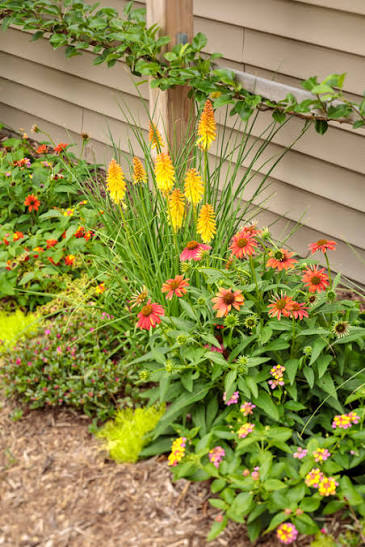
Gardeners in hot parts of the United States need to think about both light and temperature.
Afternoon shade can protect plants from intense heat, but shaded areas can still become warm.
Caladiums, begonias, coleus, and some impatiens varieties can perform well in warm conditions when provided with appropriate moisture.
Always choose varieties suited to your regional climate rather than relying only on general shade tolerance.
Shade Loving Plants for Cold Climates
Gardeners in northern states should consider winter hardiness when selecting perennials.
Hostas, ferns, hellebores, and some coral bells can be suitable choices depending on the specific variety and USDA hardiness zone.
Check the plant’s recommended hardiness range before purchasing.
A plant that survives winter in one state may need protection or indoor storage in a colder region.
How Much Light Do Shade Loving Plants Need?
One of the biggest gardening mistakes is assuming that every shade plant needs complete darkness.
Most plants still need some light to perform photosynthesis.
Before planting, observe how much sunlight your garden receives.
Ask yourself:
- Does the area receive morning sun?
- Is it shaded only in the afternoon?
- Is sunlight filtered through tree leaves?
- Is the location completely shaded by a building?
- Does the amount of light change throughout the seasons?
These observations can help you choose better plants.
How to Care for Shade Loving Plants
Water According to Soil Conditions
Shade does not automatically mean soil stays wet.
Areas beneath trees can actually become very dry because tree roots absorb significant amounts of water.
Check the soil before watering.
Improve Soil Quality
Many shade plants prefer soil rich in organic matter.
Adding suitable compost can improve soil structure and moisture retention.
Avoid creating poor drainage by adding too much organic material or using inappropriate soil.
Add Mulch
A layer of organic mulch can help conserve moisture and moderate soil temperatures.
Keep mulch away from direct contact with plant stems and tree trunks.
Watch for Slugs and Snails
Cool, moist, shaded environments can sometimes attract slugs and snails.
Inspect plants regularly for feeding damage and use appropriate garden management methods when necessary.
Avoid Overcrowding
Even shade-tolerant plants need sufficient air circulation.
Give plants enough space to reach their mature size.
Common Mistakes When Growing Shade Plants
Choosing Plants for Appearance Alone
A beautiful plant may fail if it is not suited to your growing conditions.
Assuming Shade Means No Water
Tree-covered areas can be surprisingly dry.
Planting Too Closely
Small nursery plants can become much larger after establishment.
Ignoring Local Climate
Always consider your USDA hardiness zone and local weather patterns.
Using Too Much Fertilizer
More fertilizer does not automatically mean better growth.
Follow the requirements of the individual plant.
How to Design a Beautiful Shade Garden
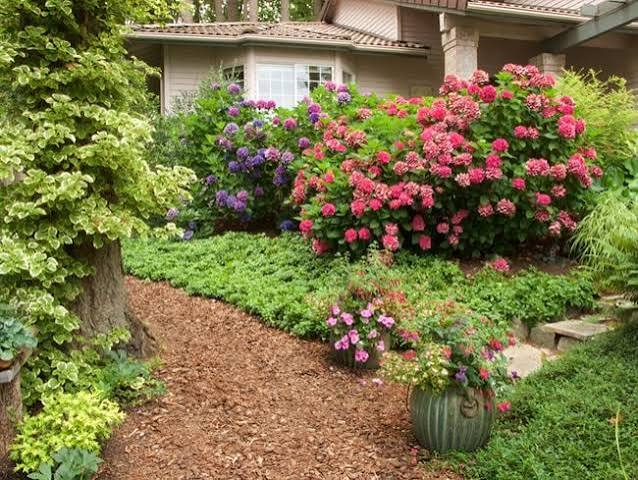
A shade garden can be just as attractive as a sunny garden when you focus on texture, height, foliage color, and seasonal interest.
Start with taller plants such as ferns or hydrangeas toward the back.
Use medium-height hostas and coral bells in the middle.
Add low-growing foamflower or other ground-covering plants toward the front.
Combine different leaf shapes to prevent the garden from looking flat.
Silver, gold, burgundy, and variegated foliage can also brighten darker areas.
A Simple Shade Garden Combination
For a beginner-friendly garden bed, try combining:
Back: Ferns or hydrangeas
Middle: Hostas + astilbe
Front: Coral bells + foamflower
Seasonal color: Impatiens or begonias
This arrangement creates different heights, textures, and colors without requiring a complicated design.
Frequently Asked Questions About Shade Loving Plants
What are the best shade loving plants?
Hostas, ferns, coral bells, astilbe, hellebores, impatiens, begonias, and coleus are popular choices. The best plant depends on your climate, soil, moisture, and exact amount of shade.
Can flowers grow in full shade?
Some flowering plants can tolerate very low light, but most plants need at least some indirect or filtered light to flower well. Many shade gardens rely heavily on attractive foliage.
What plants grow well under trees?
Hostas, ferns, coral bells, foamflower, and Solomon’s seal can work well beneath trees when soil and moisture conditions are suitable.
What are the best shade plants for containers?
Begonias, impatiens, caladiums, coleus, ferns, and hostas can work well in shaded containers.
Do shade plants need fertilizer?
They may benefit from nutrients depending on the species and soil conditions. Use fertilizer according to the plant’s requirements and avoid excessive applications.
Can shade loving plants grow indoors?
Some shade-tolerant plants can grow indoors, but indoor plants still require sufficient light. Low light does not mean no light.
Are shade plants low maintenance?
Some are relatively easy to care for, but maintenance depends on the plant. Watering, pruning, pests, soil conditions, and seasonal care still matter.
Can shade loving plants grow under pine trees?
Some can, but conditions beneath pine trees can be challenging because of dry soil, competition from roots, and limited light. Choose plants based on the actual conditions rather than assuming all shade plants will thrive there.
What is the best plant for a dark corner?
Ferns, hostas, and certain foliage plants can tolerate low-light garden conditions, but completely dark areas are generally unsuitable for healthy plant growth.
Final Thoughts
Having a shady area doesn’t mean your garden has to look empty or dull. The right shade loving plants can bring plenty of life and greenery to places where other plants may struggle. They can also make quiet corners of your garden feel much more inviting.
Before choosing a plant, take a little time to notice how much light the area actually gets during the day. Some plants are happy with very little light, while others still need a few hours of filtered sunlight. Choosing according to your space will make caring for them much easier.
I hope this guide has given you some ideas for filling those shady spots with beautiful plants. With the right choices and a little regular care, even the less sunny areas of your home or garden can become green, fresh, and enjoyable.