

Indoor Plant Care is one of the most important skills for anyone who wants healthy, beautiful houseplants. Whether you’re decorating your home with greenery or improving indoor air quality, knowing how to properly care for indoor plants makes all the difference. The good news is that most houseplants are easy to maintain once you understand their basic needs.
Indoor plants have become increasingly popular in homes across the United States because they add natural beauty, create a relaxing atmosphere, and bring a touch of nature indoors. From small apartments to large family homes, indoor plants fit into almost any living space. However, many beginners struggle with yellow leaves, root rot, or slow growth simply because they don’t know the basics of indoor plant care.
This guide covers everything you need to know, from choosing the right plants to watering, lighting, fertilizing, and solving common plant problems.
Why Indoor Plants Are Worth Growing
Indoor plants do much more than improve the appearance of your home. They create a welcoming environment and can make living spaces feel fresh and comfortable. Many people enjoy caring for plants because gardening is a relaxing hobby that reduces stress and encourages mindfulness.
Houseplants are also an excellent choice for people who don’t have outdoor gardens. With the right care, even a small apartment can become a green and peaceful space filled with thriving plants.
Choosing the Right Indoor Plants
The first step in successful Indoor Plant Care is choosing plants that match your experience level and your home’s lighting conditions.
Some beginner-friendly indoor plants include:
- Snake Plant
- Pothos
- Spider Plant
- Peace Lily
- ZZ Plant
- Philodendron
- Chinese Evergreen
These plants are relatively easy to maintain and can tolerate occasional mistakes, making them perfect for beginners.
Give Your Plants the Right Amount of Light
Light is one of the most important factors in indoor plant care. Every plant has different light requirements. Some enjoy bright indirect sunlight, while others grow well in lower-light environments.
Place your plants near windows where they receive the appropriate amount of light without being exposed to harsh afternoon sun unless the plant specifically requires direct sunlight.
If your home doesn’t receive enough natural light, consider using LED grow lights to support healthy growth.
Water Plants Properly
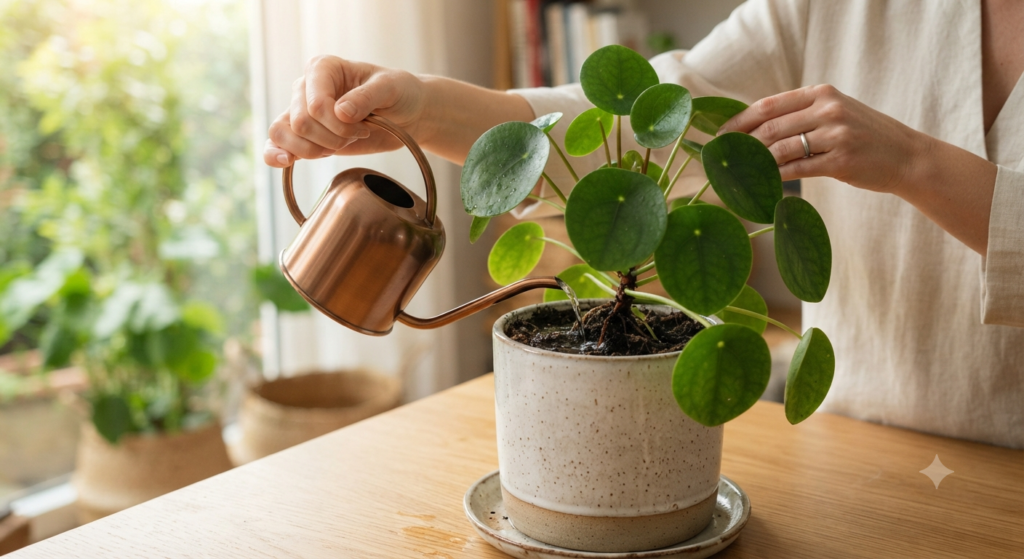
Overwatering is one of the biggest reasons indoor plants die.
Before watering, always check the top inch of soil. If it feels dry, it’s usually time to water. If it’s still moist, wait another day or two.
Use pots with drainage holes to prevent excess water from collecting around the roots.
Proper watering is one of the most valuable Indoor Plant Care habits because healthy roots produce healthy plants.
Choose Quality Potting Soil
Regular garden soil is usually too heavy for indoor plants.
Instead, use a high-quality potting mix that provides excellent drainage while holding enough moisture for healthy root development.
Different plants sometimes require different soil mixes, so always check the plant’s specific growing requirements.
Maintain Proper Humidity
Many popular houseplants originally come from tropical climates where humidity levels are much higher than inside most homes.
You can increase humidity by:
- Using a humidifier
- Placing plants together
- Setting pots on pebble trays
- Occasionally misting humidity-loving plants
Maintaining the right humidity helps prevent brown leaf edges and encourages healthy new growth.
Feed Plants with Fertilizer
Indoor plants need nutrients to continue producing healthy leaves and strong roots.
Use a balanced houseplant fertilizer during the active growing season, usually spring and summer.
Avoid over-fertilizing because too much fertilizer can damage plant roots and slow healthy growth.
Clean Plant Leaves Regularly
Dust often collects on indoor plant leaves.
Cleaning leaves with a soft damp cloth helps plants absorb more sunlight and keeps them looking fresh and attractive.
Healthy, clean leaves also make it easier to notice pests or diseases before they become serious problems.
Repot Your Indoor Plants When Needed
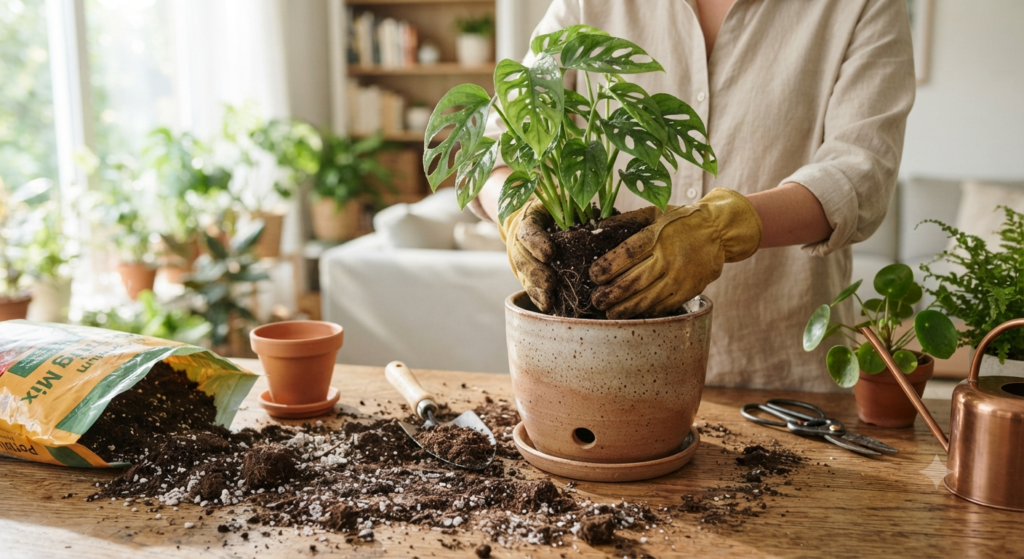
One important part of Indoor Plant Care is knowing when to repot your plants. As plants grow, their roots eventually fill the pot, leaving little room for water and nutrients.
Signs that it’s time to repot include roots growing out of the drainage holes, slow growth, soil drying out very quickly, or the plant becoming top-heavy. Choose a new pot that is only 1–2 inches larger in diameter than the current one to avoid overwatering problems.
Watch for Common Plant Problems
Even healthy houseplants can develop problems from time to time. Learning to recognize early warning signs can prevent serious damage.
Common problems include:
- Yellow leaves
- Brown leaf tips
- Drooping leaves
- Root rot
- Slow growth
- Leaf spots
- Wilting
Most of these issues are caused by incorrect watering, poor lighting, or nutrient deficiencies. Adjusting your plant care routine usually solves the problem.
Protect Plants from Pests Naturally
Indoor plants can occasionally attract pests such as spider mites, fungus gnats, aphids, or mealybugs.
Inspect your plants regularly, especially the undersides of leaves. Remove damaged leaves and isolate infected plants if necessary.
Natural pest control methods include wiping leaves with water, using insecticidal soap, or applying diluted neem oil according to product directions.
Regular inspection is an essential part of Indoor Plant Care because early detection prevents pests from spreading to other houseplants.
Seasonal Indoor Plant Care Tips
Houseplants need slightly different care throughout the year.
During spring and summer, plants actively grow and generally require more water and fertilizer.
During fall and winter, growth slows down. Reduce watering, fertilize less often, and avoid repotting unless absolutely necessary.
Adjusting your routine according to the seasons helps keep plants healthy all year long.
Best Tools for Indoor Plant Care
Having the right tools makes plant care easier and more enjoyable.
Useful indoor gardening tools include:
- Watering can
- Pruning scissors
- Moisture meter
- Spray bottle
- Gardening gloves
- Small hand trowel
- Plant support stakes
- Soft cleaning cloth
Quality tools help you care for your plants safely and efficiently.
Tips for Long-Term Success
Healthy indoor plants don’t require perfection—they require consistency.
Follow these simple habits:
- Water only when needed.
- Rotate plants every few weeks for even growth.
- Clean leaves regularly.
- Remove dead or damaged foliage.
- Check plants weekly for pests.
- Fertilize during the growing season.
- Repot when roots outgrow the container.
Following these Indoor Plant Care tips consistently will help your plants stay vibrant for years.
Frequently Asked Questions
How often should I water indoor plants?
There is no single schedule that works for every plant. Always check the soil before watering. Most indoor plants prefer the top inch of soil to dry slightly between watering sessions.
What is the best light for indoor plants?
Most common houseplants grow best in bright, indirect sunlight. However, some plants thrive in lower-light conditions, so always check the specific needs of your plant.
Why are my indoor plant leaves turning yellow?
Yellow leaves are often caused by overwatering, poor drainage, insufficient light, or natural aging. Identifying the cause early helps restore plant health.
What is the most important Indoor Plant Care tip?
The most important indoor plant care tip is to understand your plant’s specific needs. Providing the right amount of light, water, and proper drainage will keep most houseplants healthy.
Final Thoughts
Indoor Plant Care doesn’t have to be difficult. With the right knowledge and a consistent routine, anyone can grow healthy, thriving houseplants. Start with beginner-friendly plants, learn their individual needs, and make small adjustments as they grow.
By following these Indoor Plant Care tips, you’ll enjoy greener leaves, stronger roots, and healthier plants throughout the year. Whether you’re growing a single houseplant or building an indoor jungle, patience and regular care are the keys to long-term success.