

Indoor Plant Care Tips can make the difference between struggling houseplants and a thriving indoor garden. Whether you own a single pothos or a collection of tropical plants, following the right care routine helps your plants stay healthy, vibrant, and full of new growth.
Indoor plants have become an essential part of modern homes across the United States. They bring natural beauty to living spaces, improve the overall atmosphere, and create a relaxing environment. However, many plant owners unknowingly make small mistakes that lead to yellow leaves, weak stems, slow growth, or root rot.
The good news is that successful plant care doesn’t require years of experience. With a few simple habits and expert techniques, anyone can grow beautiful houseplants. These indoor plant care tips will help you understand what your plants need and how to provide the right environment for long-term success.
Why Indoor Plant Care Matters
Healthy indoor plants don’t happen by chance. Every plant needs the right balance of light, water, humidity, nutrients, and proper maintenance.
Ignoring even one of these factors can affect growth and increase the risk of disease. Learning the basics allows you to prevent problems before they begin and enjoy healthier plants throughout the year.
1. Learn Your Plant’s Growing Requirements
Every houseplant is different. Some plants love bright indirect sunlight, while others prefer low-light conditions. Before bringing a new plant home, research its specific care requirements.
Understanding your plant’s natural environment helps you recreate similar conditions indoors.
2. Water Only When Necessary
One of the most valuable Indoor Plant Care Tips is avoiding a fixed watering schedule.
Instead of watering every few days automatically, check the soil first. Insert your finger about an inch into the soil. If it feels dry, water thoroughly. If it’s still moist, wait another day or two.
This simple habit prevents root rot and encourages healthier root systems.
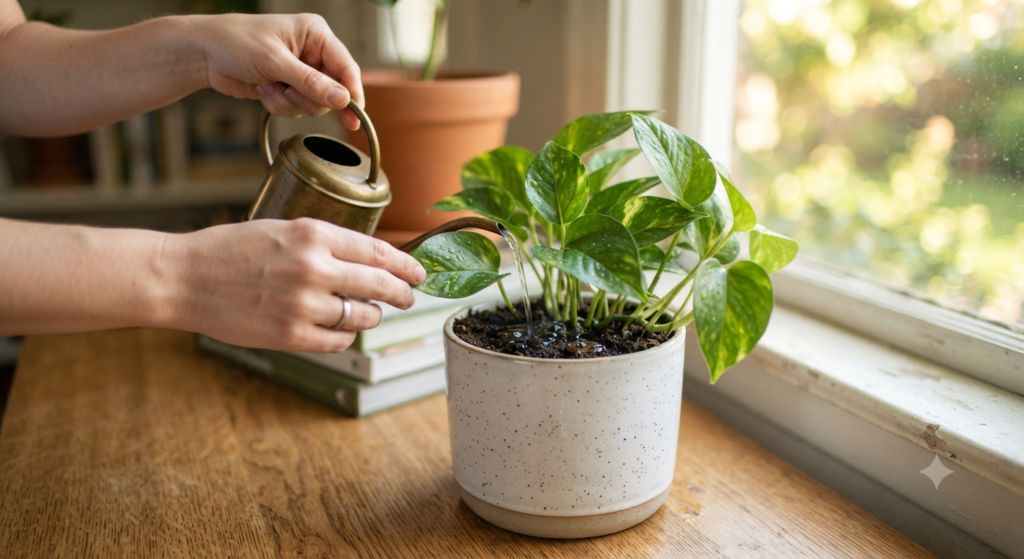
3. Place Plants in the Right Location
Choosing the right location is just as important as watering.
Keep sun-loving plants near bright windows while shade-tolerant varieties should stay away from harsh direct sunlight.
Avoid placing plants near heating vents, air conditioners, or drafty windows where sudden temperature changes can stress them.
4. Rotate Your Plants Regularly
Plants naturally grow toward the light source.
Rotate each pot about a quarter turn every one to two weeks so all sides receive equal light. This encourages balanced growth and prevents plants from leaning in one direction.
5. Choose Pots with Drainage Holes
Decorative pots may look attractive, but proper drainage is essential.
Containers without drainage holes trap excess water around the roots, increasing the risk of root rot.
Always use pots that allow extra water to drain freely.
6. Keep Plant Leaves Clean
Dust collects on indoor plant leaves over time.
Use a soft damp cloth to gently wipe large leaves every few weeks.
Clean leaves absorb sunlight more efficiently and help plants maintain healthy growth while improving their overall appearance.
7. Increase Humidity for Tropical Plants
Many popular indoor plants originate from tropical forests where humidity levels are naturally high.
If your home has dry air, especially during winter, increase humidity by using a humidifier, grouping plants together, or placing pots on pebble trays filled with water.
Proper humidity is one of the most overlooked indoor plant care tips but plays a major role in preventing brown leaf edges.
8. Feed Plants During the Growing Season
Houseplants need nutrients to produce healthy leaves and strong roots.
Apply a balanced fertilizer during spring and summer when plants are actively growing.
Reduce fertilizing during fall and winter because growth naturally slows during these seasons.
9. Repot Plants Before They Become Root-Bound
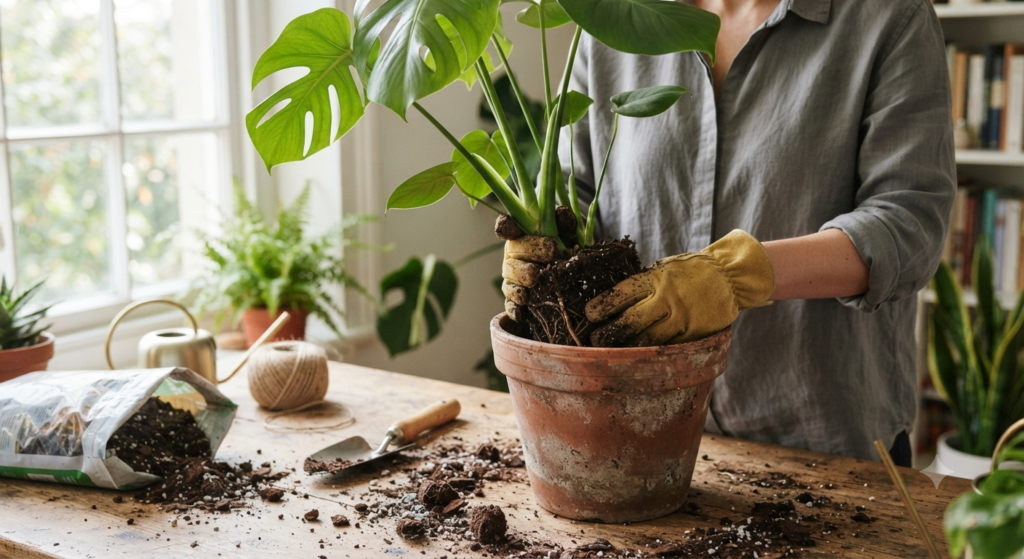
Repotting is an important part of keeping houseplants healthy. When roots begin circling inside the pot or grow through the drainage holes, it’s time to move the plant into a slightly larger container.
Choose a pot that is only one or two inches wider than the current one. Fresh potting mix gives the roots more space, improves drainage, and supplies nutrients for healthy growth.
10. Inspect Plants Every Week
One of the easiest Indoor Plant Care Tips is to spend a few minutes checking your plants every week.
Look for yellow leaves, brown spots, insects, or unusual changes in growth. Finding problems early makes them much easier to fix and prevents pests from spreading to other plants.
11. Prune Dead or Damaged Leaves
Regular pruning keeps houseplants looking neat and encourages fresh growth.
Use clean, sharp scissors to remove dead, yellow, or damaged leaves. Trimming unhealthy foliage also allows the plant to focus its energy on producing healthy new leaves.
12. Avoid Sudden Temperature Changes
Indoor plants prefer stable temperatures.
Keep them away from heating vents, fireplaces, air conditioners, and doors that are frequently opened during cold or hot weather. Sudden temperature changes can stress plants and slow their growth.
13. Use the Right Potting Mix
Different plants need different types of soil.
Succulents and cacti require fast-draining mixes, while tropical houseplants grow better in nutrient-rich potting soil that retains some moisture without becoming soggy.
Choosing the correct soil is one of the most effective Indoor Plant Care Tips because healthy roots begin with the right growing medium.
14. Be Patient with Plant Growth
Many beginners worry when they don’t see immediate results.
Houseplants grow at different speeds depending on the season, lighting conditions, and plant variety. Consistent care is far more important than expecting rapid growth.
Patience is one of the most valuable qualities every plant owner can develop.
15. Create a Consistent Care Routine
Healthy houseplants thrive on consistency.
Set a weekly reminder to inspect your plants, check soil moisture, wipe dusty leaves, and remove damaged foliage. A simple routine helps prevent problems before they become serious.
Following these Indoor Plant Care Tips regularly will help your plants stay healthy throughout the year.
Common Indoor Plant Mistakes to Avoid
Even experienced plant owners make mistakes. Fortunately, most are easy to correct.
Common mistakes include:
- Overwatering plants
- Using pots without drainage holes
- Ignoring lighting requirements
- Applying too much fertilizer
- Forgetting to clean dusty leaves
- Repotting into containers that are too large
- Not checking for pests regularly
Avoiding these mistakes will greatly improve your chances of growing strong and beautiful houseplants.
Signs Your Indoor Plants Need Attention
Plants often show clear signs when something is wrong.
Watch for:
- Yellow leaves
- Brown leaf tips
- Drooping stems
- Slow or stunted growth
- Mushy roots
- Leaves falling off unexpectedly
- Tiny insects on stems or leaves
Responding quickly can prevent small issues from becoming serious problems.
Frequently Asked Questions
What are the best Indoor Plant Care Tips for beginners?
The best indoor plant care tips include watering only when the soil is dry, providing the right amount of light, using well-draining potting soil, fertilizing during the growing season, and checking plants regularly for pests or diseases.
How often should indoor plants be watered?
There isn’t a fixed schedule for every plant. Always check the soil first. Most houseplants grow best when the top inch of soil dries slightly before watering again.
Why are my indoor plants turning yellow?
Yellow leaves are commonly caused by overwatering, poor drainage, insufficient light, or nutrient deficiencies. Identifying the cause early helps restore healthy growth.
Can indoor plants survive in low light?
Yes. Many popular houseplants, including Snake Plants, ZZ Plants, and Pothos, tolerate low-light conditions, although they generally grow faster with bright indirect light.
Final Thoughts
Following the right Indoor Plant Care Tips can completely transform the way your houseplants grow. Small improvements in watering, lighting, humidity, and regular maintenance often produce healthier leaves, stronger roots, and longer-lasting plants.
Whether you’re caring for your very first houseplant or expanding an indoor plant collection, consistency is the key to success. By applying these indoor plant care tips throughout the year, you’ll create a thriving indoor garden that adds beauty, freshness, and natural charm to your home for years to come.