

Native plants are a great choice for creating a healthy and natural-looking garden with less effort. These plants are naturally adapted to the local climate, soil, and weather conditions, so they can often grow well without needing too much extra care.
Adding native plants to your garden can also attract helpful pollinators like bees and butterflies while providing a better environment for local wildlife. In this guide, I’ll share some useful information about native plants, their benefits, and how you can choose the right ones for your own garden.
What Are Native Plants?
Native plants are species that naturally occur in a specific geographic region without being introduced there by people.
They have developed alongside local weather patterns, soils, insects, birds, and other organisms. Because of this long relationship with the local environment, many native species are well suited to regional conditions.
Native does not necessarily mean that a plant will grow without any care. Newly planted specimens still need proper watering and attention while they become established.
Why Choose Native Plants for Your Garden?
There are many reasons gardeners choose native plants.
One major advantage is their connection to local wildlife. Native flowers, berries, seeds, and foliage can provide food or habitat for insects and birds.
They can also contribute to a healthier garden ecosystem by supporting pollinators such as bees and butterflies.
Another benefit is that the right native plants can require less supplemental water once established, particularly when they are matched to the conditions of the planting site.
Benefits of Native Plants
Support Local Pollinators
Native flowering plants can provide nectar and pollen for local bees, butterflies, moths, and other beneficial insects.
Different pollinators are active during different seasons, so planting a variety of species that bloom at different times can provide resources throughout the growing season.
Provide Food for Wildlife
Some native plants produce seeds, berries, fruits, or foliage that local wildlife can use as food.
Birds may feed on seeds and berries, while caterpillars and other insects may depend on particular plant species.
A garden with several native species can therefore support a wider range of wildlife.
Create Natural Habitat
Native plants can provide shelter and nesting areas for birds and insects.
Shrubs, grasses, ground covers, and flowering perennials can create layers of vegetation that offer different types of habitat.
Even a small garden can contribute to local habitat when plants are selected thoughtfully.
Reduce Water Needs
Once established, many regional plants can survive on rainfall patterns that are typical for their area.
However, water requirements vary greatly between species. A native plant from a naturally wet habitat may still need regular moisture when planted in a dry landscape.
The best results come from matching the plant to the conditions of your garden.
Encourage Biodiversity
Planting a mixture of local species can increase the diversity of plants and wildlife in your yard.
A diverse garden can provide different flowers, fruits, seeds, structures, and habitats throughout the year.
This creates a more interesting landscape while supporting a broader range of organisms.
How to Choose Native Plants
Choosing the right species is more important than simply buying any plant labeled “native.”
Start by identifying your location and growing conditions.
Consider:
- Sunlight
- Soil type
- Drainage
- Moisture
- Mature plant size
- Blooming season
- Winter conditions
- Available garden space
A plant that is native to your state may not necessarily be suitable for every part of that state.
Local conditions can vary significantly between coastal areas, mountains, deserts, forests, and urban environments.
Consider Your Garden’s Sunlight
Before selecting plants, observe how much sunlight your garden receives.
A full-sun area can support plants that require several hours of direct sunlight.
Partially shaded areas may be better for woodland or shade-tolerant species.
Deep shade requires a different selection of plants altogether.
Matching plants to available sunlight can reduce stress and improve long-term growth.
Understand Your Soil
Soil conditions are another important factor when choosing plants.
Some species prefer sandy, well-drained soil, while others naturally grow in moist or clay-rich conditions.
You can perform a soil test to learn more about your garden’s pH and nutrient levels.
Avoid changing your soil dramatically simply to accommodate a plant that does not naturally suit the site. In many cases, selecting a plant that already matches your soil is the better approach.
Choose Plants for Different Seasons
A successful native garden does not have to look attractive only in spring or summer.
Choose plants that provide seasonal interest throughout the year.
Spring flowers can provide early food for pollinators.
Summer-blooming plants can provide color and nectar during warmer months.
Fall plants may offer seeds and berries for wildlife.
Interesting stems, bark, foliage, and evergreen structures can provide winter interest.
A mixture of seasonal plants can make the garden more useful and visually appealing.
Native Plants for Pollinators
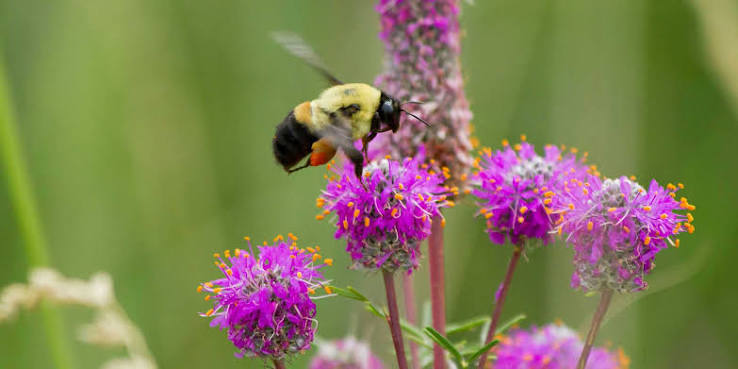
A pollinator-friendly garden should contain a variety of flowering plants.
Choose flowers with different shapes, colors, and bloom periods to attract a range of insects.
Avoid relying on only one flowering species.
Native milkweeds, asters, goldenrods, coneflowers, bee balm, and other regionally appropriate plants can be valuable additions in suitable areas.
Always check whether a particular species is native to your local region before planting.
Native Plants for Birds
Bird-friendly landscapes can include trees, shrubs, grasses, and flowering plants.
Some plants provide berries and seeds, while others support insects that birds feed to their young.
Dense shrubs can also offer shelter and nesting habitat.
Instead of creating a yard with only ornamental lawn, consider adding different layers of vegetation to make the space more useful to wildlife.
Native Plants for Small Gardens
You do not need a large property to enjoy the benefits of native gardening.
Small gardens can use compact perennials, ground covers, grasses, and small shrubs.
Container gardening can also be an option for certain species.
Choose plants based on their mature size rather than their size at the garden center.
A small plant can eventually become much larger than expected.
Native Plants for Shade
Shaded areas can sometimes be difficult to landscape, but many native species naturally grow beneath trees or in woodland environments.
Look for plants specifically suited to the amount of shade your garden receives.
Avoid planting sun-loving species in deep shade simply because you like their flowers.
Instead, work with the conditions you already have.
Native Plants for Dry Areas
Dry landscapes can benefit from plants naturally adapted to limited moisture.
However, choose species that are specifically suited to your region and soil.
A drought-tolerant plant from another part of the country may not necessarily be the best choice for your local ecosystem.
Once established, appropriate native plants can reduce the need for supplemental irrigation.
How to Plant Native Plants
Planting native species follows many of the same basic principles as planting other garden plants.
Start by selecting a suitable location.
Remove competing weeds and prepare the planting area.
Dig a hole that accommodates the root system without burying the plant too deeply.
Place the plant at an appropriate depth, backfill with soil, and water thoroughly.
Add a suitable layer of mulch around the plant while keeping mulch away from direct contact with the stem or trunk.
Watering New Native Plants
Newly planted native species usually need regular watering while their roots become established.
Do not assume that a native plant requires no water simply because it belongs to your region.
Monitor soil moisture and provide water during dry periods.
As the plant becomes established, its water requirements may decrease depending on its species and natural habitat.
Mulching Native Plants
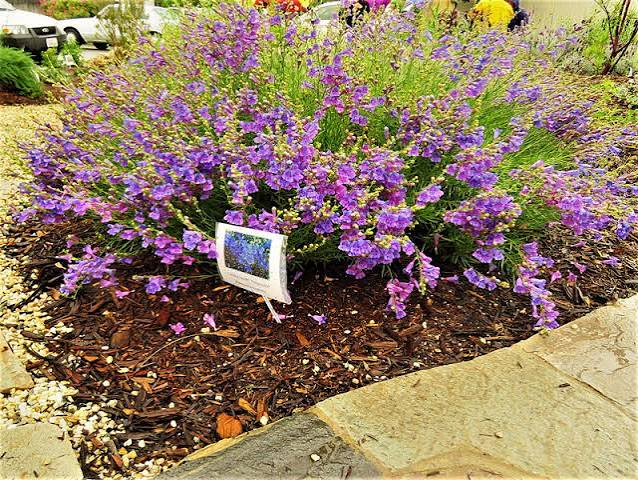
Mulch can help conserve moisture, reduce weeds, and moderate soil temperatures.
Organic mulch such as shredded leaves, bark, or wood chips can work well.
Avoid creating a thick pile around plant stems and tree trunks.
Leave some space around the base to encourage good airflow and prevent excessive moisture against the plant.
Do Native Plants Need Fertilizer?
Many native plants do not require heavy fertilization when planted in suitable soil.
Excessive fertilizer can encourage rapid growth that may be less resilient.
Before adding fertilizer, consider whether the plant actually shows signs of nutrient deficiency.
A soil test can help determine whether nutrients are lacking.
In many gardens, appropriate plant selection and good soil management are more important than frequent fertilizer applications.
Native Plants vs. Non-Native Plants
Non-native plants are not automatically harmful, and many can be valuable ornamental garden plants.
The main concern is choosing species responsibly.
Some introduced plants can become invasive in certain environments and displace native vegetation.
Before planting unfamiliar species, check local invasive-plant recommendations.
Native plants can be particularly valuable when your goal is to support local wildlife and create habitat.
Are Native Plants Low Maintenance?
Some native plants can become relatively low maintenance once established, but this depends on the species and location.
A plant that naturally grows in dry, sunny soil may require little irrigation in a similar garden.
The same plant could struggle if placed in heavy shade or constantly wet soil.
The key to low-maintenance gardening is matching the plant to the site.
Common Mistakes When Growing Native Plants
Choosing Plants Without Checking Their Mature Size
A plant may look small at the nursery but eventually become a large shrub or tree.
Assuming Native Means No Water
Newly planted plants still need appropriate moisture during establishment.
Planting Everything in One Location
Different species have different sunlight and moisture requirements.
Over-Fertilizing
Too much fertilizer can cause unnecessary growth and may create other problems.
Ignoring Local Invasive Species
Always check whether a plant is appropriate for your particular region.
Removing All Fallen Leaves
Leaves can provide habitat and organic matter. Consider leaving some healthy leaves in suitable areas instead of removing everything.
How to Create a Native Plant Garden
Start with a small area rather than trying to transform the entire yard at once.
Observe the sunlight, soil, drainage, and moisture conditions.
Then select a mixture of plants that provide different heights and seasonal benefits.
For example, you might combine:
- Native ground covers
- Flowering perennials
- Ornamental grasses
- Native shrubs
- Small trees
This layered approach can make the landscape look more natural while providing different forms of habitat.
How to Maintain a Native Plant Garden
Native gardens still benefit from regular observation.
Remove invasive weeds before they become established.
Water newly planted species when needed.
Prune shrubs and trees according to their specific requirements.
Avoid unnecessary pesticide use, especially when the goal is to support pollinators and beneficial insects.
Allow some natural leaf litter and plant debris to remain where appropriate.
Frequently Asked Questions About Native Plants
What are native plants?
Native plants are species that naturally occur in a particular region and have developed alongside the local environment and wildlife.
Are native plants easier to grow?
They can be easier to maintain when planted in conditions similar to their natural habitat. However, newly planted specimens still require proper care while becoming established.
Do native plants need fertilizer?
Many native plants require little fertilizer when grown in suitable soil. Test the soil before applying nutrients unnecessarily.
Do native plants attract bees and butterflies?
Many native flowering plants provide nectar and pollen for local pollinators. Choosing a variety of species with different bloom periods can make a garden more useful to pollinators.
Can I grow native plants in containers?
Some compact native species can grow successfully in containers. Choose plants suited to the container’s size, sunlight, moisture, and climate.
Are native plants drought tolerant?
Some are, but not all. Water requirements vary by species and natural habitat.
How do I find native plants for my area?
Local botanical gardens, native plant societies, university extension services, and reputable native plant nurseries can help you identify species suitable for your region.
Final Thoughts
Native plants can make your garden more beautiful while also helping you create a space that feels natural and welcoming. Since they are already adapted to the local environment, many native plants can grow well with less water, fertilizer, and maintenance.
Choosing the right native plants depends on your local climate, soil, sunlight, and the type of garden you want to create. Once you find plants that suit your area, they can become a low-maintenance and long-lasting part of your garden.
Whether you have a large backyard or a small garden, adding native plants is a simple way to support local wildlife and enjoy more greenery around your home. With a little planning and regular care, they can make your garden healthier and more beautiful.