

Green onions are one of the easiest vegetables to grow at home, even if you have limited space or are new to gardening. They grow quickly, need very little care, and can be planted in a garden bed, pot, or even a small container on a balcony. With the right amount of sunlight, water, and healthy soil, you can enjoy fresh green onions whenever you need them.
Growing green onions at home is also a simple way to add fresh and flavorful produce to your meals. You can grow them from seeds, sets, or even the leftover roots from store-bought green onions. Once they start growing, you can keep harvesting the green tops while allowing the plant to continue producing new growth.
In this guide, I’ll share simple tips on how to grow green onions successfully, from choosing the right planting method to providing proper sunlight, watering, and harvesting. Whether you have a large garden or just a small space at home, growing your own green onions can be an easy and rewarding gardening project.
Why Grow Green Onions at Home?
There are many reasons to add green onions to your home garden. They do not need a large amount of space and can be harvested while they are still young and tender.
Green onions are also fast-growing vegetables. Compared with many other garden crops, you can enjoy a harvest relatively quickly. They are especially useful for gardeners who want a productive crop without waiting several months.
Another advantage is that green onions can grow successfully in containers. This makes them a great choice for balconies, patios, small gardens, and urban homes.
What Do Green Onions Need to Grow?
Before planting, choose a location that provides the basic conditions green onions need.
Understanding these basic requirements is an important part of learning how to grow green onions successfully at home.
Sunlight
Green onions grow best with plenty of sunlight. Choose a location that receives around six hours of direct sunlight each day. They can tolerate some partial shade, but strong sunlight generally encourages healthy green growth.
Soil
Use loose, fertile, and well-draining soil. Heavy or compacted soil can make it difficult for onion roots to develop properly.
Adding compost before planting can improve soil structure and provide nutrients. If you are growing green onions in containers, choose a quality vegetable potting mix rather than ordinary garden soil.
Water
Green onions prefer consistently moist soil, but they do not like sitting in water. Water when the top layer of soil begins to feel dry.
During hot or dry weather, your plants may need water more frequently. Container-grown green onions usually dry out faster than those planted directly in the ground.
How to Grow Green Onions From Seeds at Home
If you want to learn how to grow green onions from seeds, start by preparing a sunny garden bed or container with loose, fertile soil Growing green onions from seeds is inexpensive and gives you plenty of control over the growing process.
Start by preparing a sunny garden bed or container with loose soil. Sow the seeds approximately one-quarter inch deep and cover them lightly with soil.
Keep the soil evenly moist while the seeds are germinating. Depending on growing conditions, seedlings may appear within several days to a couple of weeks.
Once the seedlings emerge, continue providing sunlight and moisture. If they become overcrowded, thin them so the remaining plants have enough room to develop.
For a continuous harvest, consider sowing a small number of seeds every few weeks during the appropriate growing season.
How to Grow Green Onions From Sets
Onion sets are small immature onion bulbs that can be planted directly into the soil. They are convenient because they usually establish faster than seeds.
Prepare the soil and make shallow holes. Place each onion set into the soil with the pointed end facing upward. Cover it lightly, leaving the growing tip close to the soil surface.
Water after planting and keep the soil moderately moist. As new green shoots appear, continue with normal sunlight and watering.
Sets are an excellent option for beginner gardeners who want a simple and relatively quick way to start growing onions.
How to Grow Green Onions From Kitchen Scraps
Learning how to grow green onions from kitchen scraps is one of the easiest and most affordable ways to start
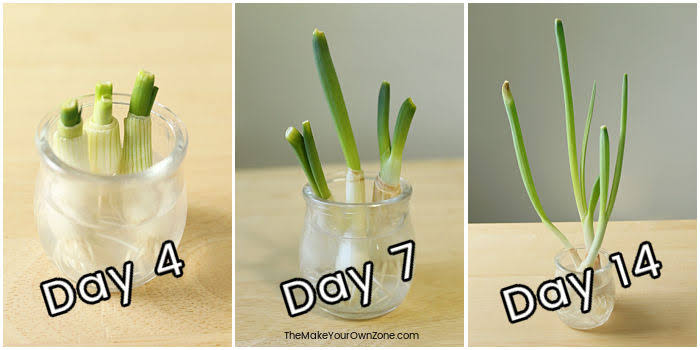
When preparing store-bought green onions, save the white portion with the roots attached. Place the roots in a small glass containing a little water. Keep the container near a bright window.
Fresh green shoots can begin growing from the center. Change the water regularly to keep it clean.
Once the roots and new growth become established, you can transfer the onion into soil. Plant the rooted portion in a small container and place it somewhere with good sunlight.
Although regrowing scraps is convenient, planting them in soil usually provides better long-term growing conditions than keeping them permanently in water.
How to Grow Green Onions in Containers
You do not need a traditional garden to grow green onions. A container can provide everything they need Learning how to grow green onions in containers is a great option for gardeners who have limited outdoor space.
Choose a container with drainage holes and fill it with well-draining potting soil. A container that is several inches deep can work well for green onions, while a wider container allows you to grow more plants.
Place the container somewhere sunny and water whenever the soil begins to dry.
Container gardening also makes it easier to move your plants if temperatures become too hot or cold.
How Often Should You Water Green Onions?
Green onions need regular moisture, especially during germination and early growth.
Instead of following a strict watering schedule, check the soil regularly. If the surface feels dry, give the plants a thorough watering.
Avoid keeping the soil constantly soggy because excessive moisture can contribute to root problems. Containers should always have drainage holes so extra water can escape.
Fertilizing Green Onions
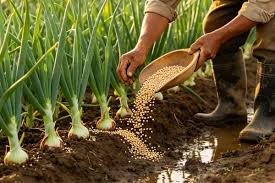
Green onions generally do not require heavy feeding, especially when they are grown in fertile soil enriched with compost.
If the plants appear weak or growth is slow, a balanced vegetable fertilizer can provide additional nutrients. Follow the fertilizer label carefully and avoid applying more than recommended.
Too much fertilizer is not necessarily better and can cause unnecessary plant problems.
How Long Do Green Onions Take to Grow?
Green onions are among the quicker vegetables to harvest. Young green onions may be ready within a few weeks under favorable conditions, although the exact timing depends on the variety, weather, sunlight, soil, and growing method.
You can begin harvesting when the green leaves are large enough for your needs.
Rather than waiting for the plants to become very large, many gardeners prefer harvesting young onions because they have a tender texture and mild flavor.
When to Harvest Green Onions
Harvesting is simple. Once the plants have developed healthy green leaves and reach a useful size, you can pull them from the soil.
For a continuous supply, you can harvest individual plants instead of removing everything at once.
Another option is to cut the green tops while leaving the roots and lower portion in the soil. Depending on the growing conditions and variety, the plant may produce additional leafy growth.
Use clean scissors or a garden knife when cutting the leaves to reduce unnecessary damage.
Common Problems When Growing Green Onions
Although green onions are easy to grow, a few problems can affect their growth.
Yellow Leaves
Yellowing leaves can be caused by several factors, including overwatering, poor drainage, nutrient problems, or natural aging.
Check the soil moisture first and make sure excess water can drain away.
Slow Growth
If your green onions are growing slowly, check their sunlight, soil quality, water, and spacing. Plants growing in poor soil or too much shade may produce weaker growth.
Thin or Weak Stems
Thin growth can occur when plants do not receive enough sunlight or are competing too heavily for space. Providing adequate light and thinning crowded seedlings can help.
Pests
Green onions can occasionally be affected by insects. Inspect the leaves regularly for unusual spots, holes, discoloration, or visible pests.
Keeping the garden clean and removing damaged plant material can help reduce pest problems.
Tips for a Bigger Green Onion Harvest
For healthier and more productive plants, follow a few simple practices:
- Choose a sunny growing location.
- Use loose, fertile, well-draining soil.
- Add compost before planting.
- Keep soil consistently moist without making it soggy.
- Avoid overcrowding the plants.
- Harvest green onions while they are young and tender.
- Make successive plantings for a longer harvest.
- Grow some onions in containers for easy access.
- Check plants regularly for pests and signs of stress.
Can Green Onions Grow Indoors?
Yes, green onions can grow indoors if they receive enough light. A sunny windowsill can be a convenient location for a small container garden.
Use a container with drainage holes and a quality potting mix. Plant the onions and place them near a bright window.
If natural sunlight is limited, a suitable indoor grow light can help provide the light plants need for healthy growth.
Indoor-grown green onions may not grow as quickly as plants receiving strong outdoor sunlight, but they can still provide fresh leaves for cooking.
How to Store Fresh Green Onions
Freshly harvested green onions can be stored in the refrigerator to help maintain their quality.
Remove excess soil, but avoid washing them until you are ready to use them if possible. Wrap the onions loosely in a paper towel and place them in a suitable storage bag or container.
You can also place green onions upright in a small amount of water and cover the tops loosely. Change the water regularly and keep them refrigerated.
Frequently Asked Questions
How to Grow Green Onions Quickly?
To learn how to grow green onions quickly, provide plenty of sunlight, consistent moisture, fertile soil, and enough space for healthy growth
Can green onions grow in water?
Yes. Green onion roots can produce new green growth when placed in water. However, for longer-term growth, transferring the plants into nutrient-rich soil is generally a better option.
Do green onions need full sun?
Green onions prefer plenty of sunlight and generally perform best with around six hours of direct sun. They can tolerate some partial shade, although growth may be slower.
Can I grow green onions from store-bought onions?
Yes. Save the white root ends of store-bought green onions and place them in water or plant them directly in moist soil. New green growth can develop from the center.
How many times can you regrow green onions?
Green onions may produce new growth after harvesting, particularly when the roots and lower portion of the plant remain healthy. Results vary depending on growing conditions and the plant’s health.
What is the best soil for green onions?
The best soil is loose, fertile, and well-draining. Mixing compost into the soil can improve fertility and structure while supporting healthy root development.
Final Thoughts
Growing green onions at home is simple, affordable, and doesn’t require much gardening experience. With enough sunlight, regular watering, and well-draining soil, you can enjoy fresh green onions without needing a large garden space.
The best part is that green onions grow fairly quickly and can be harvested more than once. Once you get the basic care right, they can become one of the easiest vegetables to keep growing at home.
Whether you grow them in a garden bed, pot, or from leftover roots, green onions are definitely worth trying. A little care can give you a fresh supply of flavorful greens right from your own home.