

Buchanan’s native plants are a great choice for creating a garden that feels natural, beautiful, and easier to maintain. Native plants are already adapted to the local climate and growing conditions, so they can often grow well without needing too much extra care. They also add a more natural look to outdoor spaces and can make a garden feel full of life.
What I like about native plants is that they are not only attractive but also useful for the environment. They can provide food and shelter for birds, butterflies, bees, and other pollinators. Choosing plants that naturally belong to the area can also make gardening a little easier because they are better suited to the conditions around them.
If you are planning to add native plants to your garden, Buchanan’s can be a helpful place to explore different options. From colorful flowers to shrubs and other garden plants, there are many choices that can bring beauty and a more natural feel to your outdoor space. In this guide, we’ll look at Buchanan’s native plants and some simple ways to choose the right ones for your garden.
Why Choose Native Plants for Your Garden?
Native plants are adapted to the environmental conditions of the region where they naturally occur. This can make them an excellent choice for gardeners who want attractive plants without creating a landscape that requires excessive care.
Buchanan’s Native Plants highlights the benefits of incorporating Texas natives into landscapes because many native selections are heat and drought tolerant and can return year after year. Native plants can also provide nectar, food, and shelter for local wildlife.
Native gardening can also help create a more natural-looking landscape while supporting pollinators and other beneficial creatures.
15 Best Buchanan’s Native Plants to Consider
1. Texas Lantana
Texas lantana is a colorful choice for warm Texas gardens. Its bright flowers can add long-lasting visual interest while also attracting pollinators.
It works well in sunny locations and can be particularly useful for gardeners looking for plants that can handle Texas heat.
2. Red Yucca
Red yucca is an excellent option when you want architectural foliage and attractive flowers. Its tall flower stalks add height and texture to the landscape.
Because it handles warm and relatively dry conditions well, it can be a practical choice for water-conscious gardens.
3. Gulf Coast Muhly
Gulf Coast muhly is an ornamental grass that brings movement and texture to a landscape. Its airy flower heads can create a soft, almost cloud-like appearance when planted in groups.
Buchanan’s Native Plants lists Gulf Coast muhly among its Texas native selections and notes that it works well in mixed perennial beds, meadows, or as a specimen plant.
4. Turk’s Cap
Turk’s cap is a useful native plant for gardeners who want flowers that can support wildlife while adding color to the landscape.
Its distinctive flowers make it an interesting addition to naturalistic gardens, pollinator gardens, and mixed planting areas.
5. Salvia Greggii
Salvia greggii, commonly called autumn sage, is a popular Texas-friendly perennial. It produces attractive flowers and can be particularly valuable in gardens designed for hummingbirds and pollinators.
Buchanan’s Native Plants describes autumn sage as a tough perennial that prefers full to part sun and can tolerate drought once established.
6. Gregg’s Mistflower
Gregg’s mistflower is another attractive native selection for a wildlife-friendly garden. Its flowers can provide resources for pollinators while adding soft color to planting beds.
It is included among Buchanan’s top Texas native plant picks for Houston.
7. Gulf Coast Penstemon
Gulf Coast penstemon is a beautiful native perennial that can bring color and vertical interest to garden beds.
It is included in Buchanan’s collection of recommended Texas native plants, making it worth considering when planning a Houston-area landscape.
8. Red Columbine
Red columbine is a striking native perennial with unusual flowers. It can be a lovely choice for gardeners who want something different from common landscape plants.
Its delicate appearance also makes it a good addition to naturalistic planting designs.
9. Blue Flax
Blue flax offers delicate flowers and a lighter, more natural appearance. It can work beautifully when combined with other native perennials and grasses.
For gardeners interested in creating a low-maintenance native planting area, blue flax can be an attractive option.
10. Black-Eyed Susan
Black-eyed Susan is well known for its cheerful yellow flowers with dark centers. It can bring a bright, sunny appearance to flower beds while supporting pollinators.
It is also one of the native plant selections featured by Buchanan’s Native Plants.
11. Eastern Purple Coneflower
Eastern purple coneflower is a beautiful flowering perennial that can attract butterflies and add strong seasonal color.
Buchanan’s native plant guide describes it as drought tolerant once established and suitable for full sun to partial shade with well-draining, fertile soil.
12. Texas Redbud
If you want a native tree rather than a small flowering plant, Texas redbud is worth considering.
Its seasonal flowers can provide an attractive display, while the tree can contribute structure and shade to the landscape.
Buchanan’s lists Texas redbud among its native tree selections for Houston.
13. Mexican Plum
Mexican plum is a small native tree that can provide seasonal interest and wildlife value.
Buchanan’s information describes it as a native tree that produces flowers in early spring and fruit later in the year. It can also provide food for birds and small mammals.
14. American Beautyberry
American beautyberry is an attractive native shrub known for its colorful berries.
According to Buchanan’s wildlife gardening information, its berries provide food for birds, while its flowers can provide nectar and pollen.
This makes it a particularly useful option for gardeners who want their landscape to support wildlife.
15. Texas Olive
Texas olive is another native selection featured by Buchanan’s. Its combination of structure and natural beauty makes it an interesting option for a Texas landscape.
When choosing any tree or shrub, consider the mature size and the amount of sunlight available before planting.
How to Create a Native Garden Like Buchanan’s Native Plants
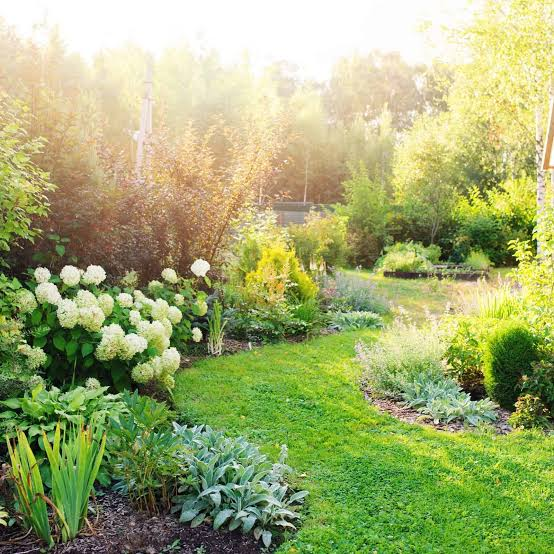
You do not need to completely redesign your yard to start incorporating native plants. Begin with one garden bed or a small section of your landscape.
Choose plants according to their sunlight, soil, moisture, and mature size requirements. Buchanan’s plant library provides categories for Texas native annuals, perennials, shrubs, and trees, making it easier to explore plants according to their type.
A successful native garden can include a mixture of:
- Flowering perennials
- Native grasses
- Shrubs
- Small trees
- Ground covers
- Pollinator-friendly plants
Combining different heights, textures, and bloom periods can make the garden more attractive throughout the year.
Best Native Plants for Pollinators
If your goal is to attract bees, butterflies, and hummingbirds, focus on plants that provide nectar, pollen, shelter, or other food sources.
Buchanan’s recommends native plants as part of wildlife-friendly landscapes because native species can provide essential nectar, food, and shelter for native bees and local wildlife.
Plants such as salvia, coneflower, mistflower, lantana, and other flowering natives can be valuable additions to a pollinator-friendly garden.
Native Plants for Hot and Dry Texas Conditions
Texas gardens can experience intense summer heat, so choosing plants adapted to local conditions can reduce maintenance.
Many of the native selections highlighted by Buchanan’s are described as heat or drought tolerant. However, drought tolerance does not mean a newly planted plant never needs water.
New plants generally need consistent care while their roots become established. Once established, plants that are naturally suited to local conditions may require less supplemental water.
How to Care for Native Plants
Native plants are often easier to maintain when they are planted in the right location. Before planting, check the plant’s sunlight and moisture requirements.
Provide the Right Amount of Sun
Some native plants prefer full sun, while others perform better with partial shade. Avoid placing a shade-loving plant in intense afternoon sun simply because the area looks empty.
Improve the Soil
Healthy soil supports healthy roots. Adding compost or other appropriate organic material can improve soil structure and help plants establish.
Water New Plants Regularly
Even drought-tolerant plants need water while establishing their root systems. Water deeply and according to the plant’s needs rather than relying on a fixed schedule.
Use Mulch
A layer of suitable mulch can help conserve soil moisture and moderate soil temperatures. Keep mulch away from direct contact with the plant’s stem or trunk.
Avoid Overcrowding
Give plants enough room to reach their mature size. Overcrowding can reduce airflow and make maintenance more difficult.
Buchanan’s Native Plants for Houston Gardeners
For Houston gardeners, choosing plants adapted to the local climate can be especially helpful. Buchanan’s Native Plants is located in Houston Heights and focuses on plants and gardening products suited to the Houston climate.
Its plant selection includes Texas natives as well as perennials, herbs, vegetables, roses, trees, shrubs, houseplants, and other garden plants.
The garden center also maintains a large plant library with more than 1,200 listed plants across categories such as Texas native perennials, shrubs, trees, ornamental grasses, vegetables, roses, and houseplants.
Why Native Gardening Is Worth Trying
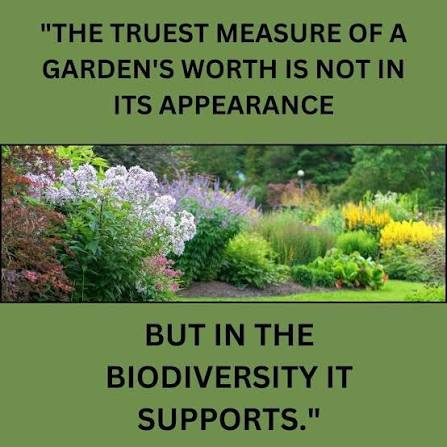
A native garden can be much more than a collection of attractive plants. It can become a small habitat for wildlife while helping you create a landscape that fits naturally into the surrounding environment.
Native plants can provide:
- Food for birds and wildlife
- Nectar for pollinators
- Seasonal flowers
- Natural shelter
- Different textures and colors
- Lower-maintenance options
- Better adaptation to local conditions
The best results come from matching the right plant to the right location rather than choosing plants based only on appearance.
Final Thoughts
Buchanan’s native plants can be a great option if you want a garden that looks beautiful while still feeling natural and easy to care for. Choosing plants that are suited to the local environment can help them grow healthier and make your garden more welcoming for birds and pollinators.
I also think native plants are a good choice for gardeners who want to spend less time struggling with plants that don’t suit their growing conditions. With the right selection, you can create a garden that stays attractive while supporting the local environment.
Whether you are starting a new garden or simply adding a few new plants, exploring Buchanan’s native plant options can give you plenty of ideas. A little planning and the right plants can make a big difference in creating a healthy and beautiful outdoor space.