

Healthy plants always start with healthy soil. I’ve noticed that sometimes plants don’t grow well even when they get enough sunlight and water. In many cases, the real problem is the soil. Poor soil can make it difficult for roots to absorb water and nutrients, which can lead to slow growth and weak plants.
This is where soil amendments can really help. They are materials added to the soil to improve its quality, drainage, texture, and nutrient content. Depending on your garden’s needs, you can use organic matter such as compost, aged manure, leaf mold, or other natural materials to make the soil more suitable for healthy plant growth.
In this guide, I’ll cover some of the best soil amendments and explain how to use them properly in your garden. Whether you’re dealing with heavy clay soil, sandy soil, or soil that has simply lost its nutrients, these simple improvements can help create a healthier growing environment and give your plants a much better start.
What Are Soil Amendments for Lawn?
Soil amendments are materials mixed into or applied to soil to improve its physical, chemical, or biological properties. They can help improve drainage, increase moisture retention, add organic matter, reduce compaction, and create a healthier environment for grass roots. The best soil amendments for lawn improvement depend on whether your soil is sandy, clay-heavy, compacted, or low in organic matter.
Common examples include compost, aged manure, peat moss, leaf mold, and certain mineral amendments.
It is important to understand that soil amendments are not the same as fertilizers. Fertilizers primarily supply nutrients such as nitrogen, phosphorus, and potassium, while amendments are generally used to improve the soil itself.
A lawn with healthy soil can often make better use of available nutrients and water.
Why Soil Quality Matters for Your Lawn
Grass roots need air, water, nutrients, and enough room to grow. When soil becomes severely compacted or lacks organic matter, roots may struggle to access these essential resources. Using appropriate soil amendments for lawn improvement can help address some of these soil-related problems over time.
Poor soil can contribute to:
- Thin grass
- Bare patches
- Poor root development
- Standing water
- Dry, stressed grass
- Increased runoff
- Uneven growth
- Difficulty establishing new grass
Improving the soil can therefore be an important part of long-term lawn care.
13 Best Soil Amendments for Lawn
Different lawns have different soil problems, so there is no single amendment that works perfectly for every yard. The best choice depends on your soil type and what you are trying to improve. The following soil amendments for lawn care can help improve different soil conditions, but the right choice depends on your lawn’s specific needs.
1. Compost
Compost is one of the most useful organic soil amendments for lawns.
Well-finished compost adds organic matter and can improve soil structure. In heavy soil, it can help create a more favorable environment for roots. In sandy soil, organic matter can improve moisture retention. For many homeowners, compost is one of the most practical soil amendments for lawn improvement because it adds organic matter and supports better soil structure.
Compost also supports soil organisms that contribute to healthy soil biology.
For lawn applications, use mature, screened compost that is free from large pieces of undecomposed material.
2. Aged Manure
Well-aged manure can add organic matter and nutrients to soil. However, fresh manure should not be applied directly to an established lawn because it can be too strong and may contain unwanted materials or weed seeds.
If using manure as a soil amendment, choose a properly composted or aged product from a reliable source.
Always follow product instructions and avoid applying excessive amounts.
3. Leaf Mold
Leaf mold is created when fallen leaves decompose over time. It is a useful source of organic matter and can help improve soil structure.
Because it is relatively gentle, leaf mold can be useful for gardens and lawns where increasing organic matter is a priority.
You can make leaf mold at home by collecting fallen leaves and allowing them to decompose under suitable conditions.
4. Peat Moss
Peat moss can improve moisture retention and soil structure, particularly in certain sandy or dry soil situations.
However, peat moss is not always the best universal lawn amendment. It can be difficult to wet once it becomes extremely dry, and its environmental impact is also an important consideration.
Before using peat moss, consider whether compost or another locally available organic material can achieve the same goal.
5. Coconut Coir
Coconut coir is another material that can help improve moisture retention.
It is made from coconut fiber and is commonly used in growing mixes. Coir can hold moisture while still allowing air to reach roots.
For lawn soil improvement, it is generally more practical for specific problem areas or soil preparation rather than applying large amounts across a mature lawn.
6. Gypsum
Gypsum is often discussed as a solution for heavy clay soil, but it should not automatically be used on every clay lawn.
Gypsum supplies calcium and sulfur and can be beneficial in certain soils, particularly where soil chemistry makes it appropriate.
However, gypsum does not magically break up every type of clay soil. A soil test can help determine whether it is actually needed.
Adding organic matter and improving soil structure may be more useful in many lawn situations.
7. Lime
Lime is primarily used to raise soil pH when soil is too acidic.
Grass species generally perform best within a particular soil pH range, but the ideal level varies somewhat by grass type.
Do not apply lime simply because your lawn looks unhealthy. A soil test is the best way to determine whether your soil is acidic enough to require lime.
Applying too much lime can create a different soil problem.
8. Sulfur
Sulfur can be used to lower soil pH when soil is too alkaline.
Like lime, sulfur should not be applied blindly. Soil testing should come first so you know whether your lawn actually needs a pH adjustment.
The amount required depends on soil type, current pH, and the desired pH level.
9. Biochar
Biochar is a carbon-rich material produced by heating organic material under controlled conditions.
It can influence soil structure, moisture behavior, and nutrient retention, but its performance depends heavily on the type of biochar and the characteristics of the soil.
If using biochar, choose a product intended for soil applications and follow the manufacturer’s recommendations.
10. Topsoil
Quality topsoil can be useful when establishing a new lawn or correcting shallow areas.
However, simply spreading a thin layer of topsoil over poor soil does not necessarily solve the underlying problem. If the existing soil is compacted or poorly drained, the issue may remain underneath.
When adding topsoil, choose a quality material and blend it appropriately where practical.
11. Sand
Sand is often recommended for improving clay soil, but adding a small amount of sand to heavy clay can sometimes make the soil harder rather than better.
Large-scale sand incorporation may be appropriate in specialized situations, but it is not a universal solution for compacted clay lawns.
For most home lawns, improving organic matter and addressing compaction can be more practical approaches.
12. Wood-Based Organic Matter
Some properly processed wood-based materials can contribute organic matter to soil, but fresh or incompletely decomposed wood should be used carefully.
Fresh woody materials can temporarily affect nitrogen availability as they decompose.
If choosing a wood-based amendment, use a mature, composted product designed for soil improvement.
13. Homemade Compost
If you have space, making your own compost can provide a sustainable source of organic matter.
Good compost can be made from suitable plant materials, leaves, and kitchen scraps when managed properly.
Avoid adding diseased plant material, pet waste, or other inappropriate materials to a home compost pile.
Finished compost should have a dark, crumbly appearance and an earthy smell.
Best Soil Amendments for Lawn With Clay Soil
Clay soil contains very small particles that can become tightly packed. This can lead to poor drainage, limited air movement, and difficult root growth. When choosing soil amendments for lawn areas with heavy clay, focus on improving soil structure and reducing compaction rather than simply adding large amounts of one material.
For clay lawns, organic matter such as compost is often a useful starting point.
Aeration can also help relieve compaction. Core aeration removes small plugs of soil from the lawn, creating pathways for air, water, and roots.
Instead of relying on one amendment, combine good soil management practices with appropriate organic matter.
Best Soil Amendments for Sandy Lawn
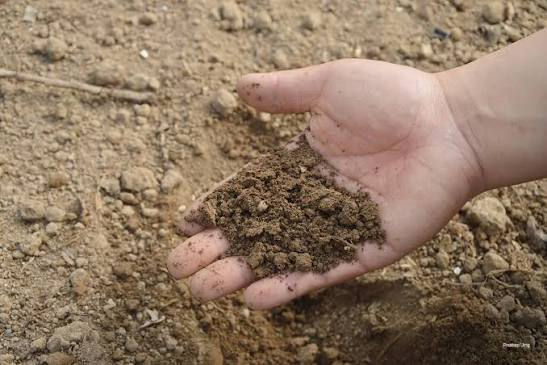
Sandy soil drains quickly and may have difficulty holding moisture and nutrients.
Adding organic matter such as compost can help improve water and nutrient retention. Organic soil amendments for lawn areas with sandy soil can help improve moisture retention while still allowing excess water to drain.
A healthy layer of organic matter can make sandy soil more favorable for grass roots without completely eliminating its natural drainage characteristics.
Avoid excessive amendments that could create a new drainage problem.
Soil Amendments for Compacted Lawn
Compaction is common in lawns that receive heavy foot traffic, frequent activity, or repeated use by equipment.
When soil is compacted, the spaces between soil particles become reduced. This can make it harder for roots to obtain air and water.
Core aeration is often one of the most useful steps for compacted lawns. After aeration, applying a thin layer of quality compost can help introduce organic matter into the surface.
For severely compacted soil, improving the underlying soil may require more extensive renovation.
How to Know If Your Lawn Needs Soil Amendments
Before adding any amendment, look for signs of soil problems.
Your lawn may benefit from soil improvement if you notice:
- Water pooling after rain
- Grass drying out very quickly
- Hard or dense soil
- Poor grass growth
- Thin roots
- Bare areas
- Uneven lawn color
- Heavy thatch
- Poor drainage
- Frequent runoff
However, these symptoms can have several causes. Testing the soil can provide more useful information than simply guessing.
Get a Soil Test Before Adding Major Amendments
A soil test is one of the smartest steps before making major changes to lawn soil.
Testing can provide information about soil pH and nutrient levels. Depending on the test, you may also learn about other characteristics that affect plant growth.
A test helps prevent unnecessary applications of lime, sulfur, or other materials.
For a homeowner, the goal should be simple: understand what your soil needs before adding products.
How to Apply Soil Amendments to an Existing Lawn
How you apply soil amendments for lawn care depends on whether you are working with an established lawn or preparing soil for a new lawn.
For an established lawn, a thin layer of finished compost can be applied as a topdressing. Spread it evenly so the existing grass blades remain visible.
Core aeration before topdressing can help create openings where organic material can work into the soil surface.
Avoid covering the lawn with a thick layer of material. Grass needs sunlight and air, and excessive topdressing can smother existing turf.
For a new lawn, amendments can be incorporated into the soil before seeding or laying sod.
When Is the Best Time to Amend Lawn Soil?
The best time depends on your grass type and local climate.
Cool-season grasses are generally managed differently from warm-season grasses. In many regions, soil improvement is most effective when grass is actively growing and can recover quickly.
For warm-season lawns, soil improvement is often carried out during the active growing season.
Avoid major lawn work during extreme heat, drought, or periods when grass is dormant unless there is a specific reason to do so.
Can You Use Compost as a Lawn Amendment?
Yes, compost is one of the most versatile choices for improving lawn soil.
A thin compost topdressing can add organic matter without requiring major soil disturbance.
The key is to use mature, high-quality compost and apply it appropriately.
Compost is especially useful when the goal is to improve overall soil quality rather than simply add one specific nutrient.
Soil Amendments vs. Fertilizer
It is easy to confuse soil amendments with fertilizer, but they serve different purposes.
Soil amendments primarily improve the physical, biological, or chemical condition of soil.
Fertilizers primarily supply nutrients needed for plant growth.
A lawn may need one, the other, or both.
For example, a soil test may show adequate nutrients but poor soil structure. In that case, adding organic matter may be more appropriate than applying additional fertilizer.
Mistakes to Avoid When Using Soil
Amendments
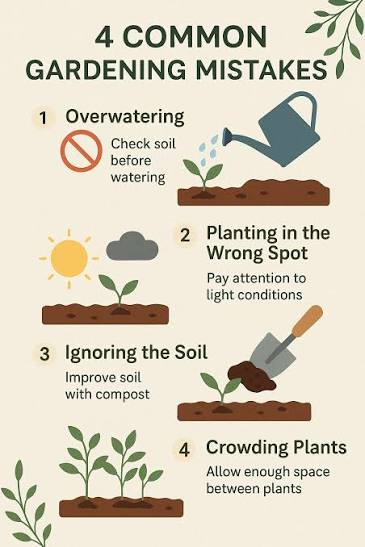
Using the wrong amendment can create unnecessary problems. Avoid these common mistakes:
Adding Too Much
More is not always better. Excessive amendments can alter soil conditions and create nutrient or drainage problems.
Skipping the Soil Test
Do not automatically add lime, sulfur, or gypsum without understanding your soil.
Using Fresh Organic Materials
Fresh manure and undecomposed materials can cause problems during decomposition.
Trying to Fix Compaction With Sand Alone
Sand is not a magic solution for compacted clay soil. Aeration and organic matter may be more useful.
Ignoring Drainage
If water constantly pools in your lawn, adding organic matter alone may not solve the problem. You may need to address grading or drainage.
Covering Grass Too Deeply
When topdressing an existing lawn, apply a thin, even layer rather than burying the grass.
How to Build Healthier Lawn Soil Naturally
Healthy soil develops over time. Instead of relying on one quick fix, focus on consistent lawn care.
Mow at the appropriate height for your grass type, avoid unnecessary soil disturbance, water deeply when needed, and return suitable grass clippings to the lawn when practical.
Aerate compacted areas and add organic matter periodically when appropriate.
A healthy lawn soil system supports stronger roots, better water movement, and more resilient grass.
Frequently Question Asked
What Are the Best Soil Amendments for Lawn?
The best soil amendments for lawn care depend on your soil type and its specific needs. Compost is a great general option because it adds organic matter and can improve soil structure. Other amendments, such as lime or sulfur, should ideally be used after a soil test.
How Do I Know If My Lawn Needs Soil Amendments?
Signs that your lawn may need soil improvement include compacted soil, poor drainage, standing water, thin grass, bare patches, and grass that dries out quickly. A soil test can help identify pH and nutrient issues before you choose an amendment.
Can Compost Improve Lawn Soil?
Yes, finished compost can be an excellent amendment for lawn soil. It adds organic matter and can help improve soil structure, moisture management, and the environment around grass roots. Apply a thin, even layer rather than covering the grass too deeply.
Final Thoughts
Improving your soil doesn’t have to be difficult or expensive. The right soil amendments can make a noticeable difference by improving soil structure, adding important nutrients, and creating better conditions for plant roots. Even small changes, such as adding compost or organic matter, can help your garden soil become healthier over time.
The most important thing is to understand what your soil actually needs before adding anything. With regular care and the right amendments, you can build rich, healthy soil that supports stronger plants, better growth, and more productive gardens. A little effort in improving the soil today can make gardening much easier and more rewarding in the future.