

Not every home has bright sunlight, but that doesn’t mean you have to give up on having beautiful indoor plants. I’ve always loved the idea of adding greenery to rooms, especially in corners where direct sunlight doesn’t reach. Luckily, there are many low light house plants that can grow well with limited natural light and are perfect for bedrooms, offices, hallways, and other darker spaces.
One of the best things about these plants is that they are usually easy to care for. They don’t need hours of direct sunlight, and many can handle the lower-light conditions found inside most homes. Plants such as snake plants, pothos, ZZ plants, and peace lilies can add a fresh and natural look without requiring too much daily attention.
In this guide, I’ll share some of the best low light house plants for different indoor spaces and explain what makes each one a good choice. Whether you’re a beginner or simply looking for plants that can survive in a less sunny room, these options can help you create a greener and more inviting home.
What Are Low Light Houseplants?
Low light houseplants are indoor plants that can tolerate relatively low levels of natural light. They are often suitable for rooms with north-facing windows, filtered sunlight, or locations several feet away from a bright window.
It is important to understand that “low light” does not mean complete darkness. A plant placed in a windowless room with absolutely no natural or artificial light will eventually struggle.
For the best results, place your plants where they receive indirect natural light or use an appropriate grow light when necessary.
21 Best Low Light Houseplants
1. Snake Plant
The snake plant is one of the most popular choices for beginners. Its tall, upright leaves give it a modern appearance, and it can tolerate lower-light conditions better than many other indoor plants.
Snake plants also prefer to dry out between waterings, making them a convenient choice for busy plant owners.
Place one in a bedroom, hallway, office, or living room where it receives indirect light.
2. Pothos
Pothos is a classic indoor plant with trailing vines and attractive heart-shaped leaves. It is one of the easiest plants to grow and can adapt to a range of indoor lighting conditions.
Golden pothos, marble queen pothos, and jade pothos are popular choices.
Use pothos in hanging baskets, on shelves, or in a planter where its vines can trail downward.
3. ZZ Plant
The ZZ plant is famous for being exceptionally forgiving. Its thick stems and waxy leaves give it a polished appearance while helping it tolerate periods of low light and infrequent watering.
This makes it particularly useful for offices, apartments, and rooms where plant care is sometimes forgotten.
Allow the soil to dry between waterings to avoid keeping the roots too wet.
4. Peace Lily
Peace lilies are known for their dark green foliage and elegant white flowers. They can tolerate lower light, although brighter indirect light generally encourages better flowering.
Peace lilies prefer evenly moist soil but should not be left sitting in standing water.
They are an attractive choice for living rooms, bedrooms, and offices.
5. Cast Iron Plant
As its name suggests, the cast iron plant is known for its toughness. It can tolerate low light, less-than-perfect conditions, and occasional neglect.
Its broad green leaves add a lush appearance to darker areas of the home.
If you want a plant that does not demand constant attention, this is one worth considering.
6. Chinese Evergreen
Chinese evergreen is a popular indoor plant because of its attractive foliage and adaptability.
Different varieties feature green, silver, cream, or patterned leaves. Many varieties can tolerate lower light, although variegated types may need more light to maintain their markings.
Avoid overwatering and allow the soil to dry somewhat between waterings.
7. Heartleaf Philodendron
Heartleaf philodendron produces attractive heart-shaped leaves on long trailing stems.
It can adapt well to indoor environments and is a popular choice for shelves, hanging planters, and offices.
Keep it in bright indirect light for faster growth, but it can tolerate lower-light areas as well.
8. Parlor Palm
The parlor palm is an elegant indoor palm that can tolerate lower light than many tropical palms.
Its soft, arching foliage can make a room feel more tropical and welcoming.
Keep the soil moderately moist but avoid excessive watering. Good airflow can also help maintain healthy foliage.
9. Dracaena
Dracaena includes several attractive indoor varieties with long leaves and upright growth.
These plants can tolerate indirect and lower-light conditions, although growth may slow when light levels are very low.
They are especially useful for adding height to an indoor plant collection.
10. Lucky Bamboo
Lucky bamboo is a popular indoor plant that can grow in soil or water.
It can tolerate lower light and is often used on desks, shelves, and small tables.
If you grow it in water, use clean water and refresh it regularly. Avoid placing it in harsh direct sunlight.
11. Spider Plant
Spider plants are known for their long, arching leaves and small plantlets that develop along stems.
They can tolerate moderate to lower indoor light, although brighter indirect light often supports stronger growth.
Spider plants are especially attractive in hanging baskets where their baby plants can cascade over the sides.
12. Prayer Plant
Prayer plants are appreciated for their beautifully patterned foliage. Their leaves can fold or move in response to changing light conditions, giving them a unique appearance.
They generally prefer indirect light and higher humidity.
Keep the soil lightly and consistently moist, but make sure the container drains well.
13. Boston Fern
Boston ferns can add a lush, woodland appearance to indoor spaces.
They generally prefer indirect light and higher humidity, making them suitable for bathrooms or rooms where humidity is naturally higher.
Keep the soil from becoming completely dry, but avoid leaving the roots waterlogged.
14. Peacock Plant
Peacock plant, commonly associated with Calathea varieties, is known for colorful and patterned foliage.
These plants can tolerate lower indirect light, but they usually perform best with consistent humidity and stable indoor conditions.
Avoid harsh direct sunlight because it can damage their delicate leaves.
15. English Ivy
English ivy can provide beautiful trailing growth when grown indoors under suitable conditions.
It can tolerate moderate indoor light and may adapt to lower-light areas, although it generally grows more slowly when light is limited.
Provide good airflow and avoid keeping the soil constantly wet.
16. Arrowhead Plant
Arrowhead plant has attractive arrow-shaped leaves and can develop a trailing or climbing growth habit.
It is an adaptable houseplant that can work well in hanging baskets or on shelves.
Keep it in indirect light and water when the upper portion of the soil begins to dry.
17. Nerve Plant
Nerve plant is a small tropical houseplant recognized for its colorful leaf veins.
It is a good choice for terrariums, bathrooms, and small indoor spaces where humidity is relatively high.
It prefers indirect light and should not be exposed to strong direct sunlight.
18. Dumb Cane
Dumb cane, also known as dieffenbachia, is grown primarily for its large, patterned leaves.
It can tolerate lower indoor light, although moderate indirect light generally supports better growth.
Keep it away from pets and children because the plant can be toxic if chewed or ingested.
19. Rubber Plant
Rubber plants are attractive foliage plants with large, glossy leaves.
They generally prefer bright indirect light, but established plants can tolerate somewhat lower light conditions. Growth may become slower when light is limited.
Choose a location with filtered light rather than complete darkness.
20. Bamboo Palm
Bamboo palm is another palm that can adapt to indoor environments with indirect light.
Its graceful foliage can add height and a tropical feel to living rooms, offices, and larger indoor spaces.
Avoid placing it in intense direct sunlight, especially near hot windows.
21. Peperomia
Peperomia includes many compact varieties with thick, attractive leaves.
These plants are useful for desks, shelves, and small apartments. They generally prefer indirect light and should not be overwatered.
Allow the soil to dry somewhat between waterings to reduce the risk of root problems.
Best Low Light Houseplants for Beginners
If you are completely new to indoor gardening, start with plants that are forgiving and do not require complicated care.
Some of the easiest choices include:
- Snake plant
- Pothos
- ZZ plant
- Cast iron plant
- Chinese evergreen
- Heartleaf philodendron
These plants can tolerate a range of indoor conditions and are generally more forgiving when watering or lighting is not perfect.
Best Low Light Houseplants for Bedrooms
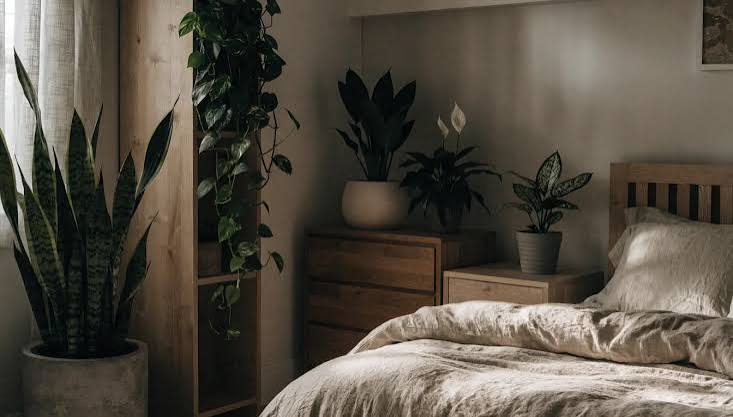
Bedrooms are often suitable for plants that can tolerate indirect light.
Snake plants, pothos, ZZ plants, and parlor palms can work well in bedroom settings.
Choose a plant based on the available space. A tall snake plant can fill an empty corner, while a trailing pothos can decorate a shelf or dresser.
Best Low Light Houseplants for Bathrooms
Bathrooms can offer useful humidity, especially when they receive some natural light.
Good choices can include:
- Peace lily
- Boston fern
- Spider plant
- Prayer plant
- Chinese evergreen
If your bathroom has no window at all, consider rotating plants between the bathroom and a brighter location or providing an appropriate grow light.
Best Low Light Houseplants for Offices
Office environments often have limited natural sunlight, making adaptable plants particularly useful.
ZZ plants, snake plants, pothos, lucky bamboo, and Chinese evergreen can be attractive desk or office choices.
Small plants can brighten a workspace without taking up much room.
How Much Light Do Low Light Plants Actually Need?
This is one of the most important things to understand.
A low-light plant still needs light for photosynthesis. If a room is so dark that you cannot comfortably read during the day without turning on a light, it may not provide enough natural light for most plants.
Indirect light is usually preferable to harsh direct sunlight for many shade-tolerant houseplants.
If your home has very little natural light, an LED grow light can help provide the additional light plants need.
How Often Should You Water Low Light Houseplants?
Low light conditions often mean plants use water more slowly.
This means you should avoid following a strict watering schedule. Instead, check the soil before watering.
If the top portion of the soil feels dry and the plant’s needs indicate that it is ready for water, water thoroughly and allow excess water to drain.
Overwatering is one of the most common causes of problems with indoor plants.
Common Mistakes With Low Light Houseplants
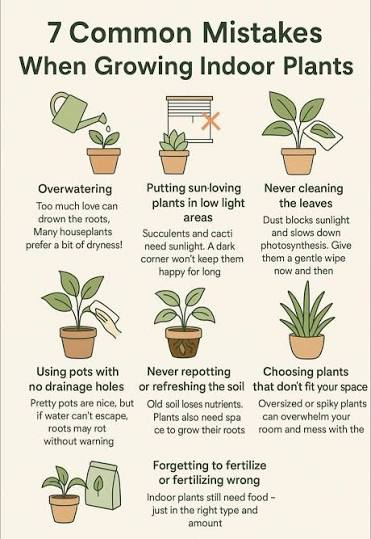
Overwatering
Because plants in lower light may grow more slowly, their soil can stay wet longer.
Water only when appropriate for the plant and soil conditions.
Assuming Low Light Means No Light
No plant can grow indefinitely in complete darkness.
If a room receives almost no natural light, use artificial plant lighting.
Placing Plants Too Far From a Window
A plant may receive much less light just a few feet farther from a window.
If growth becomes weak or slow, try moving the plant closer to a suitable light source.
Ignoring Drainage
Containers without drainage holes can trap excess water around roots.
Choose pots with drainage whenever possible.
Expecting Fast Growth
Low-light plants may survive beautifully but grow more slowly than plants receiving brighter indirect light.
How to Make Low Light Houseplants Grow Better
Even easy-care plants benefit from good growing conditions.
Use a well-draining potting mix, select containers with drainage holes, and clean dusty leaves occasionally so they can make better use of available light.
Rotate plants occasionally if they are growing unevenly toward a window.
If natural light is insufficient, consider using a grow light for several hours each day according to the plant’s requirements.
Can Low Light Houseplants Survive in a Windowless Room?
A completely windowless room is challenging for most houseplants.
While some plants may tolerate short periods of low light, they cannot survive indefinitely without a usable light source.
A grow light can make a windowless office, bathroom, or hallway more suitable for plants.
How to Choose the Right Low Light Houseplant
Before buying a plant, consider three things: available light, humidity, and how much care you want to provide.
If you frequently forget to water, a ZZ plant or snake plant may be a better choice.
If you want trailing foliage, choose pothos or heartleaf philodendron.
If you want flowers, a peace lily may be more appealing.
Matching the plant to your home is more important than choosing a plant simply because it looks attractive in a store.
Final Thoughts
Choosing the right plants can make even a darker room feel fresh, cozy, and more welcoming. Low light house plants are a great option for homes where bright sunlight is limited, and many of them are also easy to care for. With the right plant and a little regular attention, you can enjoy beautiful greenery without needing a sunny windowsill.
Before choosing a plant, consider the amount of natural light your room actually receives, along with its watering and care needs. With so many low-light options available, it’s easy to find a plant that suits your space and experience level. A few healthy indoor plants can make a simple room feel much more lively and comfortable.