

Indoor plants are a simple way to make any room feel fresh, cozy, and more beautiful. But when you have several plants, keeping them organized can sometimes be a little difficult. This is where an indoor plant stand can be really useful.
A plant stand gives your plants their own space and also helps you display them in a more attractive way. You can place it in your living room, bedroom, balcony, or even a small corner near a window. There are many different styles and sizes available, so you can easily find one that matches your home.
If you love plants and want to give your indoor space a fresh look, a plant stand is a great option. In this article, we’ll look at some simple and beautiful indoor plant stand ideas that can help you organize your plants while adding a nice touch to your home.
What Is a Plant Stand Indoor?
A plant stand indoor is a stand, shelf, table, or elevated structure designed to hold plants inside a home. It can be used for one large houseplant or several smaller plants depending on its size and design. A plant stand indoor is a simple way to raise your plants and create a more attractive display.
Indoor plant stands are available in many materials, including:
- Wood
- Metal
- Bamboo
- Wicker
- Plastic
- Ceramic
- Recycled materials
Some stands are designed as single platforms, while others have multiple levels. Choosing the right option depends on your plants, available space, home decor, and the amount of weight the stand needs to support.
21 Best Plant Stand Indoor Ideas
1. Try a Simple Wooden Plant Stand
A wooden plant stand is a timeless option that works with almost any interior style. Natural wood brings warmth and texture into a room while allowing the greenery to remain the main attraction.
Choose a light wood finish for a Scandinavian or minimalist room, or select darker wood for a traditional or rustic look.
A simple wooden stand works particularly well with plants such as snake plants, pothos, rubber plants, and peace lilies.
2. Create a Tiered Plant Display
A tiered stand is perfect if you have several small and medium-sized plants.
Instead of spreading pots across the floor, you can use vertical space. Place larger plants on the lower levels and smaller plants higher up.
Try combining different leaf shapes and colors to make the display more interesting.
This type of plant stand indoor arrangement is especially useful for apartments and small rooms.
3. Use a Modern Metal Stand
Metal stands are ideal for contemporary homes.
Simple black or white frames can create a clean, modern appearance without competing with your plants.
Geometric metal designs can also become decorative features on their own.
Choose a sturdy frame, particularly if you plan to display large ceramic pots.
4. Decorate an Empty Corner
An empty corner can become one of the best places for a plant display.
Place a tall stand in the corner and add a large plant with attractive foliage. You can surround it with one or two smaller plants to create different levels.
This approach adds height and color without requiring much furniture.
5. Place a Plant Stand Near a Window
Many houseplants need bright indirect light, so a window can be an excellent location.
A raised stand can place your plants closer to available natural light.
However, check the light requirements of each plant. Some plants can suffer from harsh direct sunlight, especially when placed close to glass.
Use sheer curtains or move sensitive plants farther from the window when necessary.
6. Choose a Tall Plant Stand
A tall plant stand can create a dramatic vertical effect.
It works especially well with plants that have upright leaves or cascading foliage.
Tall stands can be placed beside sofas, cabinets, desks, or empty walls.
Always check stability before placing a tall plant in an area with heavy foot traffic.
7. Make a Small Plant Stand Display
You do not need a large piece of furniture to create an attractive indoor garden.
A small stand can hold one or two compact plants on a desk, bedside table, or narrow shelf.
Small plant stands are particularly useful for apartments, dorm rooms, and other spaces where floor area is limited.
8. Use a Ladder-Style Stand
A ladder-style plant stand provides several levels for displaying greenery.
Place trailing plants on higher shelves and upright plants on lower ones.
As vines grow, they can naturally hang over the sides and create a beautiful cascading effect.
This design can also serve as a decorative feature even when it is not completely filled with plants.
9. Add a Plant Stand to Your Living Room
The living room is one of the best places to create a larger plant display.
Place a stand near a window, beside a sofa, or in an unused corner.
Choose plants that complement the colors and textures already present in the room.
For a sophisticated look, use matching or coordinated pots rather than many unrelated colors.
10. Create a Bedroom Plant Corner
A bedroom can benefit from a small amount of greenery. A simple plant stand indoor can add a calm and natural touch to the bedroom. Choose a compact design and place it near a window, while making sure the plants you select are suitable for your bedroom conditions.
Choose a compact plant stand indoor design that fits beside a dresser, window, or empty corner.
Plants with soft foliage can create a relaxed decorative atmosphere.
Make sure the location provides appropriate light and does not interfere with movement around the bed.
11. Style Your Home Office
Adding plants to a home office can make the space feel more inviting.
A small stand beside your desk can provide greenery without using valuable workspace.
Choose compact plants such as pothos, spider plants, peperomia, or small snake plants.
Keep the display organized so it does not make your workspace feel cluttered.
12. Try a Boho Plant Stand
Boho-style decor works beautifully with indoor plants.
Combine wooden stands, woven baskets, natural textures, and plants with interesting foliage.
A mixture of heights can make the display look relaxed and layered.
Trailing plants can add movement and soften the appearance of the furniture.
13. Choose a Minimalist Plant Stand
If your home has a minimalist style, choose a simple stand with clean lines.
Avoid overcrowding the display.
One beautiful plant in a simple pot can sometimes have more visual impact than a large collection.
Neutral colors such as natural wood, white, black, or beige can help maintain a clean appearance.
14. Use a Multi-Level Stand for Small Plants
A multi-level stand can turn a small collection into an impressive display.
Arrange plants according to their size and light requirements.
Place taller plants toward the back and smaller ones toward the front.
Leave enough space between pots so you can easily water and inspect each plant.
15. Turn a Plant Stand Into a Focal Point
Instead of treating your stand as simple storage, make it a decorative centerpiece.
Choose an attractive stand and place a statement plant on it.
Keep the surrounding area relatively simple so attention naturally goes toward the greenery.
Large-leaf plants such as monstera and rubber plants can work particularly well for this purpose.
16. Build a DIY Plant Stand
A DIY stand can be an affordable way to create a customized display.
You can use materials such as:
- Wooden boards
- Dowels
- Old stools
- Wooden crates
- Reclaimed timber
- Metal frames
Before using a homemade stand, make sure it is properly assembled and can safely support the weight of your pots.
17. Repurpose an Old Stool
An old stool can easily become a plant platform.
Paint it, stain it, or leave it in its original condition depending on your decor.
Place one attractive pot on top and position the stool in an empty corner.
This is a simple way to give old furniture a new purpose.
18. Use a Plant Stand in the Entryway
A small plant display near the entrance can make your home feel welcoming.
Choose a narrow stand that does not block doors or walking paths.
An upright plant can work particularly well in a narrow entryway because it adds height without taking up much floor space.
19. Create a Rustic Plant Display
For rustic interiors, combine wooden stands with terracotta pots and natural-looking plants.
You can also use reclaimed wood or vintage furniture to create character.
Avoid making the arrangement too perfect. A slightly relaxed display can enhance the rustic feel.
20. Use a White Plant Stand
White furniture can make green foliage stand out.
A white plant stand indoor arrangement can look especially attractive in bright rooms with neutral walls.
Pair white stands with green plants and simple ceramic pots for a fresh, clean appearance.
21. Create a Statement Indoor Garden
If you have a large plant collection, create an entire indoor garden area.
Combine:
- Tall plants
- Small plants
- Tiered stands
- Hanging plants
- Shelves
- Different pot sizes
The key is to create different heights without overcrowding the room.
Best Indoor Plants for a Plant Stand
Choosing the right plant can make your display much more attractive.
Pothos
Pothos is an excellent choice for elevated displays because its vines naturally trail downward.
Place it on a high shelf or tiered stand and allow the foliage to cascade.
Snake Plant
Snake plants have tall, upright leaves that create a strong architectural look.
They work well on simple stands and can complement modern interiors.
Spider Plant
Spider plants have long, arching leaves that look attractive when elevated.
Their small plantlets can also create a cascading effect.
Monstera
Monsteras are excellent statement plants because of their large, distinctive leaves.
Use a strong stand if the pot is heavy.
Philodendron
Many philodendrons have beautiful foliage and can work well on stands or shelves.
Trailing varieties are especially attractive when placed at a higher level.
Rubber Plant
Rubber plants can become large, so they require a strong and stable stand.
Their glossy leaves can make them an impressive focal point.
How to Choose the Right Plant Stand Indoor
Before purchasing a stand, consider more than its appearance. When buying a plant stand indoor, consider the size of your plants, the available space, the stand’s height, and its overall stability. A strong and well-balanced stand will keep your plants safer and make the display look neat.
Check the Weight Capacity
Wet soil and ceramic pots can be heavy. Make sure the stand can safely hold the complete weight.
Measure the Space
Measure the available width and height before buying.
Remember that plants grow, so leave enough room for future growth.
Consider Stability
A tall, narrow stand may be attractive but should have a stable base.
Avoid placing unstable stands in busy areas.
Match Your Decor
Choose materials and colors that complement your existing furniture.
Think About Maintenance
A stand that is difficult to access can make watering and cleaning inconvenient.
Choose a design that allows you to easily reach every plant.
How to Arrange Plants on a Stand
Start by placing your largest plant.
Then add smaller plants around it.
Use a mixture of upright and trailing plants to create contrast.
Avoid placing all plants at exactly the same height.
Different levels create depth and make the display more visually interesting.
You can also use pots of different sizes, but keep their colors coordinated for a more polished appearance.
Plant Stand Indoor Ideas for Small Spaces
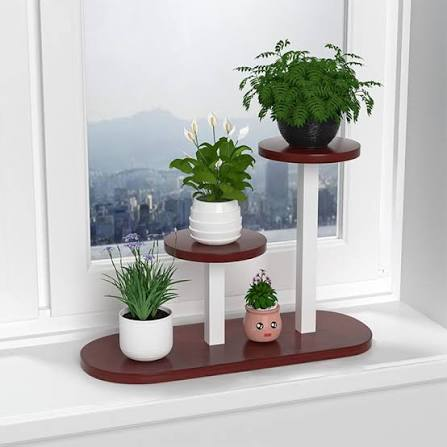
Small spaces do not mean you have to give up your indoor garden.
Use narrow stands to take advantage of vertical space.
Corner stands can make use of areas that would otherwise remain empty.
Tiered designs allow several plants to occupy the footprint of one larger piece of furniture.
Wall-mounted shelves can also complement a floor stand and create a layered indoor garden.
If space is extremely limited, choose compact plants and avoid oversized pots.
How to Protect Your Floor and Furniture
Indoor plants can sometimes leave water marks on furniture or flooring.
Use saucers underneath pots to catch excess water.
After watering, allow the container to drain properly and empty the saucer when necessary.
If you use a wooden stand, wipe up spilled water quickly.
Avoid allowing moisture to remain on wood for extended periods because it can cause staining or damage.
How to Keep Your Indoor Plant Display Healthy
A stylish display is only useful if your plants remain healthy.
Check the soil moisture of each plant individually.
Do not water every plant simply because one of them needs water.
Rotate plants occasionally if they receive light from only one direction.
Remove dead or damaged leaves.
Inspect plants regularly for insects and signs of disease.
Clean dusty leaves when appropriate so the foliage remains attractive.
Common Plant Stand Mistakes
Overloading the Stand
Never exceed the stand’s weight capacity.
Blocking Light
Large plants can block light from reaching smaller plants.
Arrange plants according to their light requirements.
Overcrowding
Too many plants can make the area difficult to maintain.
Ignoring Plant Growth
Consider how large your plants will become rather than choosing a stand only for their current size.
Choosing Looks Over Safety
A decorative stand should still be strong and stable.
Forgetting Drainage
Always consider where excess water will go after watering.
How to Make a Plant Stand Look More Stylish
You can make a basic stand look much more expensive with a few simple choices.
Use coordinated pots rather than completely different styles.
Mix leaf shapes to create contrast.
Add one statement plant and several smaller plants instead of filling every space.
Keep the area around the stand clean and uncluttered.
Natural materials such as wood, wicker, and terracotta can add warmth, while metal and ceramic can create a more modern appearance.
Frequently Asked Questions
What Is the Best Plant Stand Indoor Style?
The best style depends on your room and plant collection. Tiered stands are excellent for several small plants, while single stands are ideal for larger statement plants.
Are Indoor Plant Stands Worth It?
Yes. They can improve plant organization, add height to your decor, save floor space, and turn houseplants into attractive decorative features.
What Material Is Best for an Indoor Plant Stand?
Wood, metal, bamboo, and other sturdy materials can all work well. The best option depends on the weight of your plants and your home’s style.
How Many Plants Can I Put on One Stand?
This depends on the size and weight capacity of the stand. Always follow the manufacturer’s weight recommendations.
Where Should I Place an Indoor Plant Stand?
Good locations include near suitable windows, empty corners, beside sofas, in home offices, and in entryways. Make sure the plants receive the amount of light they require.
Can I Make My Own Indoor Plant Stand?
Yes. You can make a simple stand from wood, crates, stools, or other sturdy materials. Make sure the finished structure is stable before adding plants.
How Do I Protect a Wooden Plant Stand?
Use saucers under pots, wipe up spills quickly, and avoid leaving standing water on the surface.
Final Thoughts
An indoor plant stand is a simple way to make your plants look more organized while adding a fresh and natural touch to your home. Whether you have a few small plants or a bigger collection, the right stand can help you display them beautifully without taking up too much space.
You can choose a plant stand based on your room size, plant type, and personal style. From simple wooden stands to modern metal designs, there are plenty of options to match your home decor. A little creativity can turn an empty corner into a beautiful green space.