

Growing plants in full sun and hot weather can be challenging, especially when the temperature gets high and the soil dries out quickly. However, many plants are naturally suited to these conditions and can grow well with plenty of sunlight and proper care.
Choosing heat-tolerant plants is a great way to keep your garden looking colorful and healthy throughout the warmer months. Flowers, herbs, vegetables, and ornamental plants can all be good choices if they can handle direct sunlight and high temperatures.
In this article, we’ll look at some of the best plants for full sun and heat. These plants are not only beautiful but can also be easier to maintain in hot and sunny areas, making them a great choice for a bright and lively garden.
What Are the Best Plants for Full Sun and Heat?
The best plants for full sun and heat are varieties that can tolerate several hours of direct sunlight while continuing to grow and bloom in warm conditions. Many of these plants are naturally drought tolerant, which means they can survive periods of limited water once established.
When choosing plants for a hot garden, look for varieties that are known for heat tolerance, strong root systems, and low water needs. Native plants are also excellent choices because they are often naturally adapted to the local climate.
1. Lantana
Lantana is one of the most reliable choices for hot and sunny gardens. It produces clusters of colorful flowers in shades of yellow, orange, pink, red, and purple.
This plant loves warmth and performs especially well in areas with long, hot summers. Once established, lantana can tolerate dry conditions and requires relatively little maintenance.
For gardeners looking for best plants for full sun and heat, lantana is an excellent option for flower beds, containers, and borders.
2. Zinnias
Zinnias are cheerful annual flowers that love sunshine. They produce colorful blooms throughout summer and are available in many different colors and sizes.
Plant zinnias in a location that receives at least six hours of direct sunlight. Keep the soil moderately moist while the plants are becoming established, then maintain regular watering during very hot periods.
Zinnias are also popular with butterflies, making them a great addition to pollinator-friendly gardens.
3. Marigolds
Marigolds are classic summer flowers that can handle plenty of sunlight and warm temperatures. Their bright yellow, orange, and gold flowers add instant color to garden beds and containers.
They prefer well-draining soil and perform best when they receive several hours of sunlight each day. Deadheading spent flowers can encourage additional blooms.
If you want colorful best plants for full sun and heat, marigolds are easy to grow and beginner friendly.
4. Coneflower
Coneflower, also known as echinacea, is a hardy perennial that performs well in sunny locations. Its daisy-like flowers attract bees and butterflies and can provide color for much of the summer.
Coneflowers prefer well-drained soil and can tolerate dry conditions once established. They are particularly useful for low-maintenance gardens.
Their strong stems also make them a great choice for natural-looking flower borders.
5. Black-Eyed Susan
Black-eyed Susan is another tough flowering perennial for sunny gardens. Its golden-yellow petals and dark centers create a classic summer look.
This plant grows well in full sun and can tolerate heat and periods of dryness. It is also attractive to pollinators.
For anyone searching for best plants for full sun and heat, black-eyed Susan offers an easy combination of color, durability, and low maintenance.
6. Salvia
Salvia is available in many forms, but several varieties are excellent choices for hot, sunny gardens. Depending on the type, flowers can appear in purple, blue, pink, red, or white.
Salvia generally prefers well-drained soil and plenty of sunlight. Many varieties are drought tolerant once established and can attract hummingbirds and bees.
Planting salvia near other heat-loving flowers can create a beautiful layered garden display.
7. Lavender
Lavender is famous for its fragrance, attractive purple flowers, and ability to handle sunny, dry conditions. It performs best in full sun and well-draining soil.
Avoid planting lavender in heavy, constantly wet soil because excessive moisture can lead to root problems. A sunny location with good air circulation is ideal.
Lavender can be grown along pathways, in containers, or as a border plant.
8. Rosemary
Rosemary is both beautiful and useful. This fragrant herb loves sunshine, warmth, and well-draining soil.
Once established, rosemary can tolerate dry conditions and does particularly well in warm climates. It can be grown in garden beds or containers and can even be shaped into attractive shrubs.
For edible gardens, rosemary is one of the most practical choices among best plants for full sun and heat.
9. Bougainvillea
If you live in a warm climate, bougainvillea can create an incredible display of color. This vigorous plant loves intense sunlight and warm temperatures.
Bougainvillea performs best when planted in well-draining soil and given plenty of sunlight. It can be trained along walls, fences, trellises, and other structures.
Its colorful bracts can make a sunny patio or garden feel like a tropical getaway.
10. Portulaca
Portulaca, commonly called moss rose, is an excellent choice for hot and dry locations. Its succulent-like leaves help it conserve moisture, while its colorful flowers open in bright sunlight.
Portulaca works especially well in containers, rock gardens, hanging baskets, and garden borders.
It is one of the best plants for full sun and heat when you need something that can handle intense summer conditions without constant watering.
11. Sunflowers
Sunflowers are among the most recognizable sun-loving plants. They need plenty of direct sunlight and can grow surprisingly tall depending on the variety.
Plant sunflowers in a sunny location with fertile, well-draining soil. Taller varieties may need support, especially in windy areas.
Besides adding dramatic height and color, sunflowers can provide seeds for birds and interest for pollinators.
12. Agave
Agave is an excellent option for gardeners who want architectural foliage rather than traditional flowers. Its thick leaves store water, allowing it to tolerate hot and dry conditions.
Agave prefers full sun and excellent drainage. It is especially suitable for desert-style landscapes, rock gardens, and low-water planting areas.
Always check the mature size and characteristics of a specific agave variety before planting.
13. Yucca
Yucca is another tough plant that can handle intense sunlight and dry conditions. Its sword-like leaves provide structure and year-round interest.
Many yucca varieties produce tall flower stalks with beautiful white blooms. They work well in xeriscape gardens and other low-maintenance landscapes.
Yucca is particularly useful when you want plants that can survive challenging summer conditions.
14. Catmint
Catmint is a hardy perennial with soft foliage and attractive purple-blue flowers. It performs well in full sun and can tolerate dry conditions once established.
Its flowers attract bees and other beneficial insects, making it a useful choice for pollinator gardens.
Pruning the plant after its first major flowering period can encourage fresh growth and additional blooms.
15. Daylilies
Daylilies are dependable perennials that can add bright color to sunny garden beds. They are available in a huge range of flower colors and forms.
Most daylilies prefer full sun and well-draining soil. Although they appreciate regular moisture, established plants can handle periods of heat and dryness.
Their easy-care nature makes them a popular choice for busy gardeners.
16. Coreopsis
Coreopsis produces cheerful daisy-like flowers and is well suited to sunny locations. Many varieties tolerate heat and drought once established.
Its yellow, pink, or red flowers can brighten borders and cottage-style gardens. Coreopsis is also attractive to pollinators.
Combine it with coneflowers, salvia, and other sun-loving plants for a colorful summer display.
17. Verbena
Verbena is another excellent choice for hot and sunny gardens. Depending on the variety, it can grow upright or spread across the ground.
Its clusters of small flowers can continue appearing through warm weather when the plant receives enough sunlight and proper care.
Verbena works beautifully in containers, hanging baskets, borders, and mixed flower beds.
18. Gazania
Gazania is sometimes called the treasure flower because of its striking, brightly colored blooms. It thrives in sunlight and prefers relatively dry, well-draining conditions.
Its flowers often close in cloudy weather and open when exposed to bright sunlight.
For gardens that receive strong afternoon sun, gazania can be a colorful and practical option.
19. Blanket Flower
Blanket flower, or gaillardia, is a hardy flowering plant known for its red, orange, and yellow blooms. It handles heat, sunlight, and relatively dry conditions very well.
It is an excellent choice for naturalized areas, borders, and pollinator gardens.
Once established, blanket flower generally needs less attention than many moisture-loving flowers.
20. Texas Sage
Texas sage is a great choice for gardeners in hot, dry climates. It has silvery foliage and can produce beautiful purple flowers, especially after periods of rain.
This shrub prefers full sun and excellent drainage. It can work well as a landscape accent, hedge, or drought-tolerant planting.
If your garden experiences extremely hot summers, Texas sage is worth considering among the best plants for full sun and heat.
21. Vinca
Vinca is a dependable annual flower for hot summer conditions. It produces attractive flowers in several colors and can tolerate heat better than many delicate bedding plants.
Vinca prefers well-draining soil and plenty of sunlight. Avoid keeping the soil constantly wet because overly moist conditions can cause problems.
It is especially useful for containers, borders, and sunny garden beds.
How to Choose the Best Plants for Full Sun and Heat
Before buying plants, take a few minutes to understand your garden conditions. Not every plant labeled as “sun loving” will perform equally well in extreme heat.
Start by checking how many hours of direct sunlight your garden receives. Areas with six or more hours of direct sunlight are considered full-sun locations.
Next, check your soil. Hot-weather plants generally perform better in soil that drains well. Heavy or compacted soil can hold too much moisture around the roots.
You should also consider your local climate. A plant that handles moderate summer temperatures may struggle in areas with extreme heat.
How to Care for Heat-Loving Plants
Even the best plants for full sun and heat need proper care, especially during extreme weather.
Water Deeply
Instead of giving plants a small amount of water every day, deep watering can encourage stronger root growth. Water slowly so moisture can reach deeper into the soil.
Add Mulch
A layer of organic mulch can help keep soil cooler and reduce moisture loss. Keep mulch slightly away from the base of plant stems to reduce the risk of rot.
Improve Soil Drainage
Good drainage is important for many heat-tolerant plants. If water stays around the roots for too long, plants can suffer even when temperatures are high.
Group Plants With Similar Needs
Place plants with similar water and sunlight requirements together. This makes watering and general maintenance much easier.
Watch Plants During Heat Waves
Even drought-tolerant plants may need additional water during unusually long periods of extreme heat. Look for signs such as wilting, curling leaves, or scorched foliage.
Best Plants for Full Sun and Heat in Containers
If you are growing plants on a patio, balcony, or sunny porch, choose varieties that can tolerate both heat and the warmer conditions created by containers.
Some excellent options include:
- Lantana
- Portulaca
- Vinca
- Zinnias
- Marigolds
- Rosemary
- Lavender
- Verbena
- Gazania
- Sunflowers
A container can heat up much faster than garden soil, so choose a pot with drainage holes and avoid allowing the roots to sit in standing water.
Best Soil for Hot and Sunny Gardens
Soil quality can make a major difference in how plants perform during summer. Most heat-loving plants prefer soil that drains well while still holding enough moisture for healthy roots.
Adding compost can improve soil structure and provide organic matter. However, avoid creating soil that stays constantly wet.
For containers, use a quality potting mix rather than heavy garden soil. A well-draining mix can help prevent root problems while allowing plants to access moisture and nutrients.
Common Mistakes to Avoid
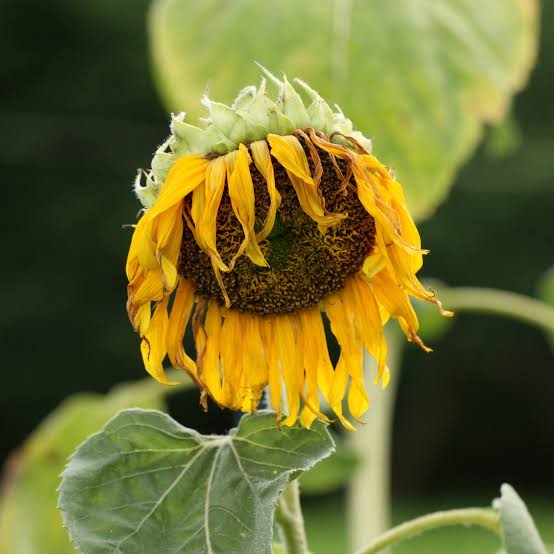
One common mistake is assuming that every plant can tolerate extreme heat simply because it likes full sun. Sun tolerance and extreme heat tolerance are not always the same thing.
Another mistake is overwatering. Hot weather can make gardeners want to water constantly, but soil that remains saturated can damage roots.
Planting without checking mature size is another issue. Give shrubs and perennials enough room to grow so they do not become overcrowded.
Finally, avoid ignoring your soil. Even the best plants for full sun and heat will struggle if the soil is compacted, poorly drained, or unsuitable for their needs.
Frequently Asked Questions
What are the best plants for full sun and heat?
Some of the best plants for full sun and heat include lantana, zinnias, marigolds, coneflower, salvia, lavender, rosemary, portulaca, bougainvillea, agave, and blanket flower. The best choice depends on your climate, soil, and available space.
What plants can survive extreme summer heat?
Many drought-tolerant plants can handle extreme summer heat once established. Lantana, portulaca, agave, yucca, rosemary, Texas sage, and blanket flower are popular options for hot conditions.
How often should I water plants in full sun?
Watering needs depend on the plant, soil, temperature, and rainfall. During extreme heat, check the soil regularly and water deeply when the top layer becomes dry. Container plants often need water more frequently than plants growing in the ground.
Final Thoughts
Choosing the right plants can make a big difference when gardening in hot and sunny conditions. Plants that are naturally heat-tolerant and enjoy full sun can stay healthy and beautiful even during the warmer months.
With regular watering, suitable soil, and a little care, these plants can thrive and add plenty of color and greenery to your garden. Whether you prefer flowers, herbs, or ornamental plants, there are many great options for a sunny spot.
The key is to choose plants that match your local climate and growing conditions. Once you find the right varieties, creating a beautiful full-sun garden can be much easier and more enjoyable.