

Growing vegetables at home can be a rewarding experience, but not everyone has a backyard or enough outdoor space for a garden. An indoor vegetable garden is a simple way to grow fresh produce right inside your home, even if you live in a small apartment.
Many vegetables and herbs can grow well indoors when they get enough light, water, and proper care. You can use pots, containers, shelves, or even a sunny windowsill to create a small growing space that fits your home.
With a little creativity, you can turn a small corner of your home into a fresh and useful vegetable garden. It’s a great way to enjoy homegrown produce while adding some natural greenery to your indoor space.
What Is an Indoor Vegetable Garden?
An indoor vegetable garden is a collection of edible plants grown inside your home instead of outdoors. You can grow vegetables on a sunny windowsill, kitchen counter, shelf, balcony enclosure, or under grow lights.
Indoor gardening gives you more control over temperature, watering, light, and growing conditions. It can also make it possible to grow fresh vegetables during winter when outdoor gardening becomes difficult.
You do not need a huge space to get started. Even a small shelf can become a productive indoor garden with the right plants.
Why Start an Indoor Vegetable Garden?
There are many reasons to create an indoor vegetable garden, especially if you enjoy fresh food and gardening.
1. Grow Fresh Food All Year
One of the biggest advantages is having fresh vegetables available even when it is too cold or hot outside. You can grow leafy greens, herbs, onions, and other compact crops throughout the year.
2. Perfect for Small Homes
Apartments and homes without yards can still have a productive garden. A sunny window or small shelf may be enough for several plants.
3. Save Money
Growing herbs and vegetables at home can reduce the need to purchase small amounts of fresh produce repeatedly from the grocery store.
4. Have Fresh Ingredients Nearby
Imagine cutting fresh basil for pasta or harvesting green onions for dinner without leaving your kitchen. An indoor garden makes fresh ingredients convenient.
5. Enjoy Gardening in Every Season
Indoor gardening lets you continue your favorite hobby during winter and other seasons when outdoor gardening is not practical.
17 Amazing Indoor Vegetable Garden Ideas
1. Create a Sunny Windowsill Garden
A sunny windowsill is one of the easiest places to start an indoor vegetable garden. Place small pots near a south-facing or west-facing window where plants can receive plenty of natural light.
Green onions, herbs, lettuce, and some leafy greens can work particularly well in this type of setup.
Make sure the plants do not touch cold glass during winter, and rotate containers regularly so plants grow evenly.
2. Grow Green Onions in Small Containers
Green onions are among the easiest vegetables for indoor gardening. They require little space and can grow in containers placed on a kitchen windowsill.
Use a container with drainage holes and quality potting soil. Keep the soil slightly moist and harvest the green tops as needed.
You can even regrow green onions from leftover roots, making them a convenient choice for beginners.
3. Use a Tiered Plant Shelf
If you have limited floor space, go vertical.
A tiered shelf allows you to grow several plants while using very little room. Place smaller plants on upper shelves and larger containers toward the bottom.
A shelf near a bright window can become an attractive and productive indoor vegetable garden.
4. Try a Kitchen Counter Garden
Your kitchen counter can be an excellent location for growing fresh herbs and compact vegetables.
Basil, parsley, cilantro, chives, and green onions can provide fresh ingredients just steps away from your cooking area.
Choose attractive containers that match your kitchen style to make the garden both useful and decorative.
5. Grow Lettuce Indoors
Lettuce is a great vegetable for indoor gardeners because it does not require a deep container.
Choose a wide pot with drainage holes and plant lettuce seeds in quality potting mix. Keep the soil consistently moist without making it soggy.
Harvest outer leaves first, allowing the plant to continue producing new growth.
6. Build an Indoor Herb and Vegetable Corner
Combine herbs and vegetables in one dedicated corner.
You could grow lettuce, green onions, basil, parsley, mint, and other compact plants together. Use matching pots or baskets to create a clean and organized display.
This setup works especially well in kitchens and dining areas.
7. Use Grow Lights for Better Results
Natural sunlight is helpful, but not every home receives enough light.
LED grow lights can provide supplemental lighting when windows are too dark or during short winter days.
Place the lights at an appropriate distance from the plants and follow the manufacturer’s recommendations for daily lighting.
A good lighting setup can make a major difference in the success of your indoor vegetable garden.
8. Grow Radishes in Containers
Radishes can be surprisingly easy to grow indoors because they mature relatively quickly.
Choose a container that provides enough depth for the roots to develop. Sow seeds directly into the soil and keep the growing medium evenly moist.
With enough light and proper care, you can enjoy fresh radishes without needing an outdoor garden.
9. Try Microgreens
If you want something fast and beginner-friendly, microgreens are an excellent option.
Broccoli, radish, sunflower, pea, and other microgreens can be grown in shallow trays. They require limited space and can provide a fresh addition to salads, sandwiches, and meals.
Microgreens are particularly useful when you want quick results from your indoor vegetable garden.
10. Grow Cherry Tomatoes Indoors
Cherry tomatoes can be grown indoors if you have enough light and a suitable container.
Choose a compact or dwarf variety designed for container growing. Provide strong light, adequate support, and a pot large enough for healthy root development.
Tomatoes generally need more light than leafy greens, so a good grow light may be necessary indoors.
11. Add Compact Pepper Plants
Small pepper varieties can also work in an indoor garden.
Choose compact plants and place them in a warm, bright location. A container with good drainage is essential.
If the plant produces flowers indoors, gentle shaking of the flowering stems can sometimes help distribute pollen when natural pollinators are absent.
12. Use Hanging Containers
Hanging containers can save valuable counter and floor space.
They are particularly useful for herbs and compact plants that do not become excessively large. Make sure hanging containers are securely installed and have a way to catch excess water.
This idea can make your indoor vegetable garden look stylish while maximizing available space.
13. Make a DIY Indoor Vegetable Garden
You do not need expensive equipment to start.
Reuse suitable containers, small pots, wooden shelves, or storage trays to create a simple growing area. Just make sure containers are clean and provide proper drainage.
Start with inexpensive vegetables such as green onions, lettuce, herbs, and microgreens before investing in more advanced equipment.
14. Try an Indoor Hydroponic Garden
Hydroponics allows you to grow plants without traditional soil.
Instead, plants receive water, nutrients, oxygen, and light in a controlled growing system. Small countertop hydroponic units can be convenient for beginners.
Leafy greens and herbs are particularly popular choices for indoor hydroponic growing.
15. Create a Vertical Indoor Garden
Vertical gardening is perfect when horizontal space is limited.
Use shelves, wall-mounted planters, or vertical growing systems to make better use of available space.
Arrange plants according to their light requirements so every crop receives enough illumination.
16. Grow Carrots in Deep Containers
Carrots require more root space than lettuce or herbs, but they can still be grown indoors with deep containers.
Choose shorter carrot varieties and use loose, well-draining soil. Avoid compacting the growing medium because developing roots need room to expand.
Place the container in a bright location and keep the soil evenly moist.
17. Make Your Garden Look Beautiful
An indoor vegetable garden does not have to look messy or purely functional.
Use attractive ceramic pots, wooden shelves, simple plant labels, and matching containers to create a beautiful display.
You can place the garden near a kitchen window or dining area where it becomes part of your home’s décor.
Best Vegetables to Grow Indoors
If you are new to indoor gardening, start with vegetables and herbs that are relatively compact and manageable.
Some excellent choices include:
- Green onions
- Lettuce
- Radishes
- Microgreens
- Spinach
- Kale
- Carrots
- Cherry tomatoes
- Small peppers
- Basil
- Cilantro
- Parsley
- Chives
Leafy greens and herbs are usually among the easiest choices for beginners because they can grow well in containers when they receive enough light and proper care.
Choosing the Right Containers
Choosing the right container is important for a healthy indoor vegetable garden.
Look for containers with drainage holes to prevent excess water from collecting around the roots. Different plants require different amounts of root space, so check the mature size of each plant before selecting a pot.
You can use plastic, ceramic, terracotta, fabric, or other suitable gardening containers.
Always place a tray underneath pots to protect floors, shelves, and countertops from water.
Best Soil for an Indoor Vegetable Garden
Use a high-quality, well-draining potting mix designed for containers.
Avoid using heavy garden soil indoors because it can become compacted and may drain poorly in containers.
A good indoor growing mix should provide enough air space, moisture retention, and drainage for healthy roots.
For vegetables, you can also mix in compost or use a suitable organic fertilizer according to the product instructions.
How Much Light Do Indoor Vegetables Need?
Light is one of the most important factors in successful indoor gardening.
Many vegetables need several hours of bright light each day. A sunny window can work for some crops, while others may need supplemental grow lights.
Watch your plants for signs of insufficient light. Weak, stretched stems and pale growth can indicate that a plant needs more light.
If your home has limited natural sunlight, a quality LED grow light can help provide more consistent growing conditions.
How Often Should You Water Indoor Vegetables?
There is no single watering schedule that works for every plant.
Instead, check the soil regularly. If the top layer feels dry, the plant may need water. If the soil is still wet, wait before watering again.
Overwatering is one of the most common problems in an indoor vegetable garden.
Always make sure containers can drain excess water freely.
Common Indoor Vegetable Garden Mistakes
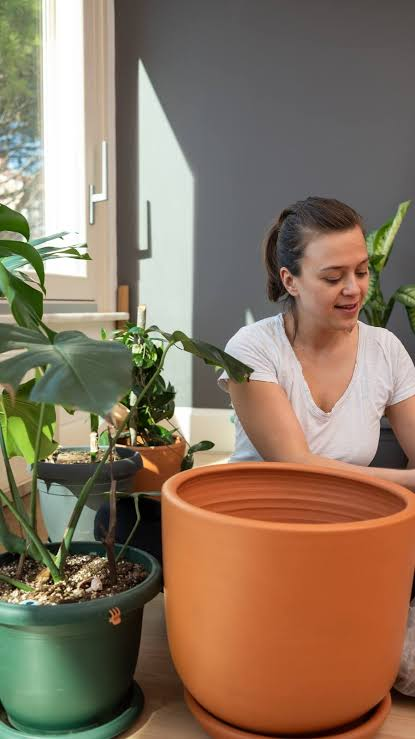
Even simple indoor gardens can experience problems. Avoid these common mistakes:
Too Much Water
Constantly wet soil can cause root problems. Water according to the plant’s needs rather than following a fixed schedule.
Not Enough Light
Plants need sufficient light to produce healthy growth. Move them closer to a bright window or add a grow light when necessary.
Choosing Containers That Are Too Small
Small containers can restrict root growth. Select containers according to the mature size of each crop.
Poor Drainage
Containers without drainage holes can hold excess water around the roots.
Planting Too Many Vegetables
Overcrowding reduces airflow and competition for light increases. Give each plant enough room to grow.
Forgetting to Harvest
Regular harvesting can encourage continued production for many leafy crops and herbs.
How to Maintain an Indoor Vegetable Garden
Regular maintenance does not have to take a lot of time.
Check your plants every few days for dry soil, yellow leaves, pests, or signs of stress. Remove damaged leaves and harvest mature vegetables regularly.
Keep the growing area clean and occasionally rotate plants so they receive light more evenly.
If you use grow lights, keep them clean and positioned according to the plant’s needs.
With consistent care, your indoor vegetable garden can remain productive and attractive throughout the year.
Is an Indoor Vegetable Garden Worth It?
Absolutely. An indoor garden can be especially valuable for people who have limited outdoor space or want fresh produce available year-round.
You can start with just two or three containers and gradually expand as you learn what grows best in your home.
The key is not to make the setup too complicated. Start with easy plants, provide enough light, avoid overwatering, and give your vegetables enough space.
FAQs About Indoor Vegetable Garden
Can I grow vegetables indoors without sunlight?
Yes. Vegetables can be grown indoors without natural sunlight when you provide suitable artificial grow lights. Leafy greens and herbs are often good choices for indoor setups.
What is the easiest vegetable to grow indoors?
Green onions, lettuce, microgreens, and some herbs are among the easiest options for beginners because they require relatively little space and can grow well in containers.
How do I start an indoor vegetable garden?
Start with a bright location, suitable containers, quality potting mix, seeds or healthy starter plants, and a reliable watering routine. Add a grow light if your home does not provide enough natural light.
Final Thoughts
An indoor vegetable garden is a great option for anyone who wants to grow fresh food but doesn’t have a lot of outdoor space. Even a small windowsill, shelf, or sunny corner can be enough to grow herbs and vegetables with the right care.
The key is to choose plants that grow well indoors and provide them with enough light, water, and suitable containers. Starting with a few easy vegetables can make the experience simple and enjoyable, especially for beginners.
With regular care and a little patience, an indoor vegetable garden can give your home a fresh touch and provide you with homegrown produce to enjoy.