

Gardening Tips for Beginners are the key to creating a healthy, colorful, and productive garden. Whether you want to grow fresh vegetables, beautiful flowers, or fragrant herbs, learning the right gardening techniques can help you achieve success. This beginner-friendly guide shares practical tips that are easy to follow and perfect for homeowners across the United States.
If you’re new to gardening, don’t worry. Every experienced gardener started with a single plant. By following these beginner-friendly gardening tips, you’ll avoid common mistakes, save money, and enjoy a beautiful garden throughout the year.
Essential Gardening Tips for Beginners
Gardening offers many benefits beyond improving your home’s appearance. It helps reduce stress, encourages physical activity, attracts beneficial pollinators like bees and butterflies, and gives you access to fresh fruits, vegetables, and herbs.
Many homeowners across the United States are discovering that gardening is both relaxing and practical. Even spending 20 to 30 minutes a day caring for plants can make a noticeable difference in your mental and physical well-being.
1. Choose the Right Location
The first step to successful gardening is selecting the perfect location.
Most vegetables and flowering plants require at least six to eight hours of direct sunlight each day. Observe your yard throughout the day to determine which areas receive the most sunlight. Following these Gardening Tips for Beginners starts with choosing the right location.
Also make sure the location has:
- Good drainage
- Easy access to water
- Protection from strong winds
- Enough space for plants to grow
A great location gives your plants the best chance to thrive.
2. Test and Improve Your Soil
Healthy soil is the foundation of every successful garden.
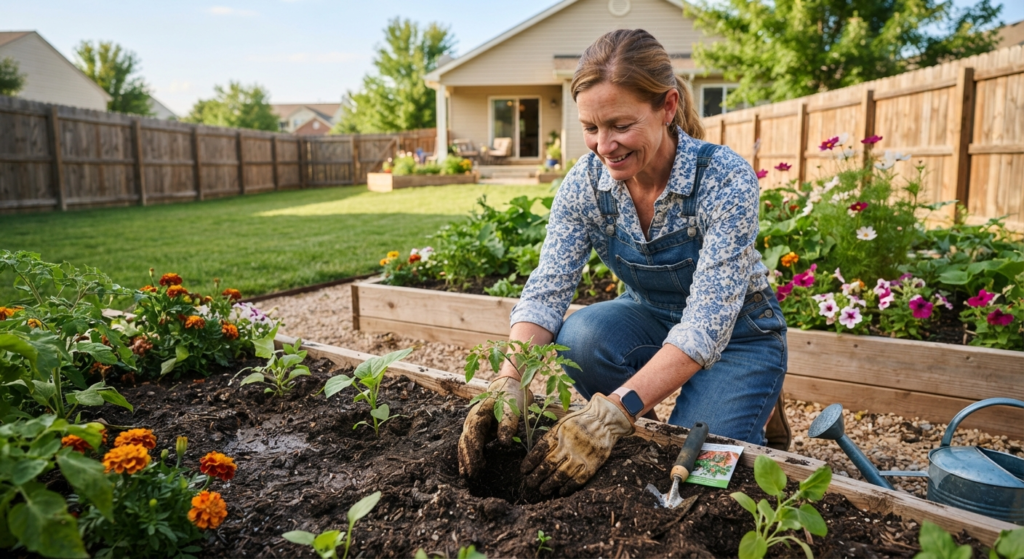
Before planting, check your soil’s texture and fertility. Rich, loose soil allows roots to grow easily while providing essential nutrients.
Improve your soil by adding:
- Compost
- Organic matter
- Well-rotted manure
- Leaf mulch
Healthy soil holds moisture better and encourages beneficial microorganisms that support plant growth.
3. Start with Easy Plants
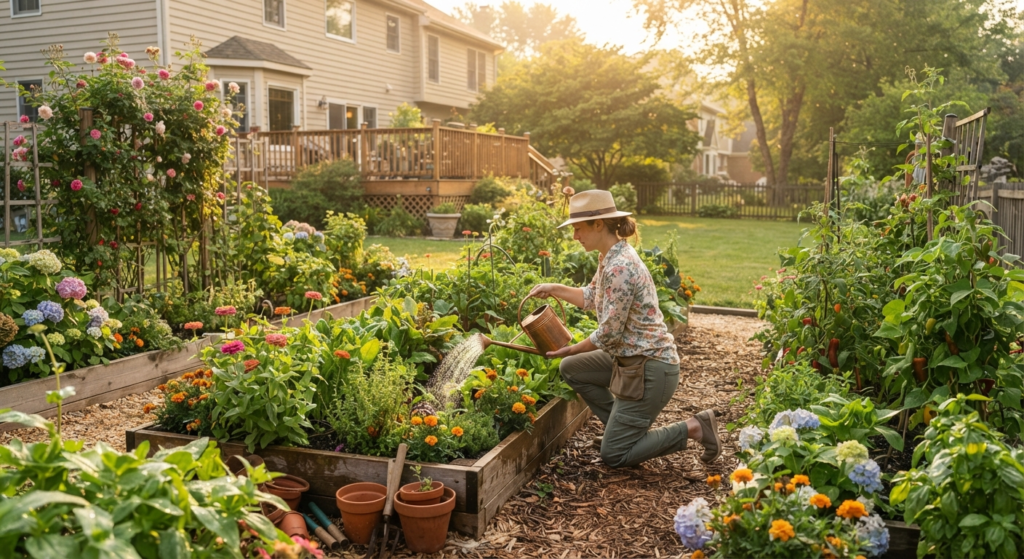
As a beginner, choose plants that are simple to grow.
Some beginner-friendly vegetables include:
- Tomatoes
- Lettuce
- Spinach
- Radishes
- Green beans
- Cucumbers
Easy flowers include:
- Marigolds
- Sunflowers
- Zinnias
- Petunias
- Cosmos
Herbs such as basil, mint, parsley, and rosemary are also excellent choices for beginners.
Growing easy plants is one of the most effective Gardening Tips for Beginners because it builds confidence and increases your chances of success.
4. Water Plants Correctly
Watering seems simple, but many beginners either overwater or underwater their plants.
A few watering tips include:
- Water early in the morning.
- Water deeply instead of lightly.
- Avoid wetting the leaves whenever possible.
- Check soil moisture before watering.
Deep watering encourages stronger root systems and healthier plants. Following these Gardening Tips for Beginners starts with choosing the right location.
5. Use Mulch to Protect Your Garden
Mulch is one of the easiest ways to improve garden health.
Organic mulch includes:
- Wood chips
- Straw
- Shredded leaves
- Pine bark
- Grass clippings
Mulch helps:
- Retain moisture
- Prevent weeds
- Regulate soil temperature
- Improve soil quality over time
Adding two to three inches of mulch around plants makes a significant difference.
6. Feed Your Plants Properly
Plants need nutrients to produce healthy leaves, flowers, and fruits.
Organic fertilizers are an excellent option because they improve soil quality while feeding plants gradually.
Common organic fertilizers include:
- Compost
- Fish emulsion
- Bone meal
- Worm castings
Avoid applying excessive fertilizer, as it can damage roots and reduce plant health.
7. Control Weeds Early
Weeds compete with your plants for nutrients, sunlight, and water.
Pull weeds while they are still small because they are easier to remove before establishing deep roots.
Regular maintenance prevents weeds from spreading throughout your garden.
8. Learn About Your Growing Zone
The United States has different climate zones that affect which plants grow best.
Knowing your local growing zone helps you select plants suited to your climate and determine the best planting times.
Choosing climate-appropriate plants greatly improves gardening success.
9. Protect Plants from Pests Naturally
Garden pests are common, but harsh chemicals are not always necessary.
Natural pest control methods include:
- Neem oil
- Insecticidal soap
- Hand-picking insects
- Encouraging ladybugs
- Companion planting
Inspect your plants regularly to catch problems before they become serious.
10. Prune Regularly
Pruning removes dead or damaged growth and encourages healthy development.
Benefits include:
- Better air circulation
- More flowers
- Improved fruit production
- Reduced disease risk
Always use clean, sharp pruning tools.
11. Plant Companion Crops
Certain plants help each other grow better.
Popular companion planting combinations include:
- Tomatoes with basil
- Carrots with onions
- Cucumbers with dill
- Beans with corn
Companion planting naturally reduces pests while improving growth.
12. Rotate Crops Every Year
Avoid planting the same vegetables in the same location every season.
Crop rotation helps:
- Prevent soil nutrient depletion
- Reduce plant diseases
- Minimize insect infestations
This simple habit keeps your garden healthier year after year.
13. Keep a Gardening Journal
Record information such as:
- Planting dates
- Fertilizer schedules
- Weather conditions
- Harvest dates
- Pest problems
A gardening journal helps you improve your gardening skills every season.
14. Be Patient
Gardening takes time.
Seeds don’t become flowers overnight, and vegetables require weeks to mature. Consistent care, regular watering, and patience produce the best results.
Every small success helps you become a better gardener.
15. Enjoy the Gardening Journey
Don’t aim for perfection.
Every garden experiences challenges including weather changes, insects, and occasional plant loss.
The most successful gardeners learn from every season and continue improving.
Celebrate your harvests, enjoy blooming flowers, and appreciate the peaceful moments spent outdoors.
Common Gardening Mistakes to Avoid
Even when following Gardening Tips for Beginners, many new gardeners make common mistakes that can affect plant health and growth.
- Overwatering plants
- Planting in too much shade
- Ignoring soil quality
- Overcrowding plants
- Using too much fertilizer
- Forgetting to mulch
- Skipping regular maintenance
Avoiding these mistakes will help your garden stay healthy throughout the growing season.
Frequently Asked Questions
What are the best Gardening Tips for Beginners?
Most gardens need about one inch of water per week, though hot weather may require additional watering.
What is the easiest vegetable for beginners?
Lettuce, radishes, green beans, tomatoes, and cucumbers are among the easiest vegetables to grow.
Is compost better than chemical fertilizer?
Compost improves soil health while providing slow-release nutrients, making it an excellent long-term option for most home gardens.
Can I garden without a backyard?
Absolutely. Container gardening works well on balconies, patios, porches, and even sunny windowsills.
Final Thoughts
Gardening Tips for Beginners can help anyone create a healthy, beautiful, and productive garden with the right techniques and consistent care.. By choosing the right location, preparing healthy soil, watering correctly, feeding plants responsibly, and maintaining your garden regularly, you’ll enjoy beautiful flowers, fresh vegetables, and healthier plants all season long.
Remember that every gardener learns through experience. Start small, stay consistent, and enjoy watching your garden grow. With these beginner gardening tips, you’ll build the confidence and knowledge needed to create a vibrant outdoor space that you can enjoy for years to come.