

This is one of the most common questions asked by gardeners and plant lovers when healthy green leaves begin to lose their color. Yellow leaves can be caused by overwatering, underwatering, nutrient deficiencies, poor drainage, pests, diseases, temperature changes, or natural aging. Identifying the real cause early is the first step toward restoring your plant’s health.
Healthy green leaves are a sign of a thriving plant, but when they start turning yellow, they indicate that something in the growing environment needs attention. In this complete guide, you’ll discover why are my plant leaves turning yellow, how to identify the exact cause, and the best solutions to bring your indoor plants, outdoor plants, and garden vegetables back to healthy green growth.
In this guide, I’ll explain the most common reasons why plant leaves turn yellow, how to recognize each issue, and the practical steps you can take to restore your plant’s healthy green growth. Whether you’re a beginner or an experienced gardener, these tips will help you keep your plants thriving. If you’ve been asking why are my plant leaves turning yellow, understanding these common causes will help you diagnose the problem quickly and keep your plants healthy.
What Does Yellowing Leaves Mean?
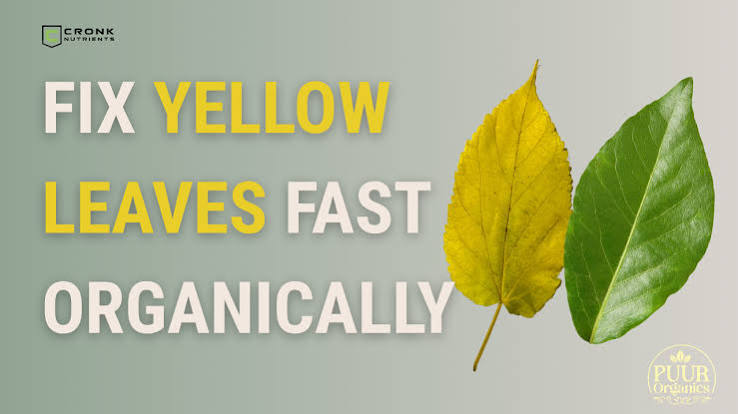
Yellow leaves, also known as chlorosis, occur when a plant loses chlorophyll the green pigment responsible for photosynthesis. Without enough chlorophyll, leaves cannot produce energy efficiently, causing them to fade from green to pale yellow.
Yellowing may affect:
- Older leaves first
- New growth only
- The edges of leaves
- The entire leaf
- Leaves with green veins and yellow tissue
- Individual branches or the whole plant
The pattern of yellowing often provides important clues about the underlying problem. Knowing why are my plant leaves turning yellow makes it much easier to choose the right treatment before the damage becomes severe.
1. Overwatering
Overwatering is one of the leading reasons gardeners ask, “Why are my plant leaves turning yellow?”
When soil stays constantly wet, roots cannot access enough oxygen. As roots begin to suffocate, they lose their ability to absorb water and nutrients, causing leaves to turn yellow.
Signs of Overwatering
- Soft yellow leaves
- Drooping stems
- Wet soil for several days
- Mold on the soil surface
- Mushy roots
- Foul smell from the pot
How to Fix It
- Allow the soil to dry before watering again.
- Check that pots have drainage holes.
- Empty saucers after watering.
- Repot plants if the soil remains waterlogged.
- Remove damaged roots if root rot has started.
2. Underwatering
Too little water can also cause yellow leaves.
When roots cannot absorb enough moisture, the plant conserves energy by sacrificing older leaves. They gradually turn yellow, dry out, and eventually fall off.
Signs of Underwatering
- Dry soil
- Crispy leaf edges
- Curling leaves
- Slow growth
- Wilting during warm weather
How to Fix It
Water deeply until moisture reaches the entire root zone. Instead of watering lightly every day, water thoroughly whenever the top inch of soil becomes dry.
3. Nutrient Deficiencies
Plants require essential nutrients to stay green and healthy.
When nutrients become unavailable, leaves often change color before other symptoms appear. Nutrient shortages are one of the most common reasons why are my plant leaves turning yellow, especially in fast-growing houseplants and vegetables.
Nitrogen Deficiency
Nitrogen supports leafy green growth.
Symptoms include:
- Older leaves turning pale yellow
- Slow growth
- Smaller leaves
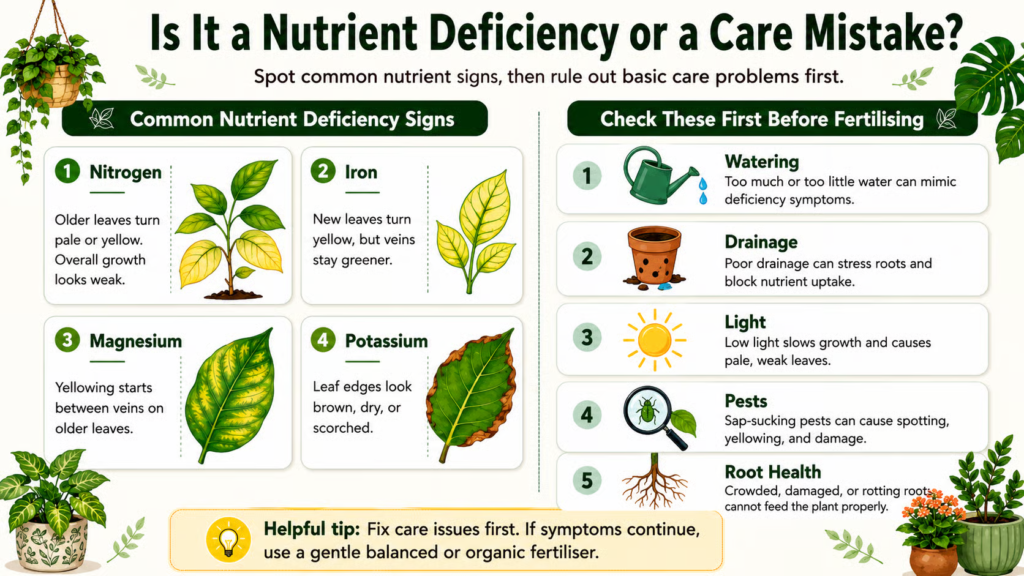
Iron Deficiency
Iron deficiency usually affects young leaves first.
Common signs include:
- Yellow leaves with dark green veins
- Weak new growth
Magnesium Deficiency
Magnesium helps plants produce chlorophyll.
Signs include:
- Yellowing between leaf veins
- Older leaves affected first
Solution
Feed plants with a balanced fertilizer or correct the specific nutrient deficiency using an appropriate plant food after identifying the cause.
4. Poor Drainage
Even if you’re watering correctly, poor drainage can trap excess water around plant roots.
Heavy clay soil, compacted potting mix, or containers without drainage holes often lead to yellow leaves because roots remain constantly wet.
Improve Drainage By:
- Using high-quality potting mix
- Choosing containers with drainage holes
- Adding organic matter to garden soil
- Avoiding compacted soil
Healthy roots need both water and oxygen.
5. Lack of Sunlight
Every plant has different light requirements.
Plants placed in locations with insufficient sunlight often produce fewer chlorophyll pigments, causing leaves to fade from green to yellow.
Low-light symptoms include:
- Yellow leaves
- Weak stems
- Slow growth
- Small leaves
- Leaning toward windows
Move the plant gradually to a brighter location that matches its specific light needs. Avoid placing shade-loving plants in direct sunlight, as sudden exposure can damage the leaves.
6. Too Much Sunlight
Surprisingly, excessive sunlight can also cause yellow leaves.
Intense afternoon sun may scorch delicate foliage, especially on indoor plants that are suddenly moved outdoors.
Symptoms include:
- Yellow patches
- Brown leaf edges
- Dry, brittle leaves
- Bleached appearance
Provide filtered sunlight or afternoon shade for plants that prefer indirect light.
7. Pest Infestations
Tiny insects can quickly weaken a plant by feeding on its leaves and stems. As pests remove sap from the plant, the leaves may begin turning yellow, curl, or develop brown spots.
Common garden pests include:
- Aphids
- Spider mites
- Whiteflies
- Thrips
- Scale insects
- Mealybugs
Signs of Pest Damage
- Tiny insects on leaves
- Sticky residue
- Small holes or spots
- Fine webbing
- Distorted new growth
How to Fix It
Inspect both sides of the leaves regularly. Remove heavily damaged leaves and wash pests away with water. If necessary, use insecticidal soap or neem oil according to the product instructions.
8. Fungal and Bacterial Diseases
Plant diseases can also cause yellow leaves, especially when humidity is high or air circulation is poor.
Common diseases include:
- Root rot
- Leaf spot
- Powdery mildew
- Downy mildew
- Bacterial leaf blight
Symptoms
- Yellow leaves with brown spots
- Soft stems
- Blackened roots
- Mold or fungal growth
- Premature leaf drop
Solution
Remove infected leaves, improve airflow around the plant, avoid watering the foliage, and use an appropriate fungicide if recommended for the disease.
9. Temperature Stress
Plants are sensitive to sudden temperature changes.
Cold nights, heat waves, strong winds, or frost can all cause leaves to yellow as the plant responds to environmental stress.
Protect Plants By:
- Covering outdoor plants during frost
- Providing shade during extreme heat
- Keeping indoor plants away from heating vents and air conditioners
- Avoiding sudden changes in growing conditions
10. Transplant Shock
Many plants experience temporary stress after being moved to a new pot or a new location.
Yellow leaves are common during this adjustment period because the roots need time to establish themselves.
How to Reduce Transplant Shock
- Water thoroughly after transplanting.
- Avoid fertilizing immediately.
- Keep the plant in suitable light.
- Minimize root disturbance during transplanting.
Most healthy plants recover within a few weeks.
11. Natural Aging
Not every yellow leaf indicates a problem.
Older leaves naturally turn yellow before falling off as the plant directs energy toward producing new growth.
If only one or two older leaves become yellow while the rest of the plant remains healthy, this is usually a normal part of the plant’s life cycle.
How to Diagnose Yellow Leaves
Instead of guessing, examine your plant carefully before making changes.
Ask yourself these questions:
- Is the soil too wet or too dry?
- Are only older leaves affected?
- Are young leaves turning yellow?
- Does the plant receive enough sunlight?
- Are insects present?
- Is the pot draining properly?
- Has the plant recently been moved?
- Are temperatures unusually hot or cold?
Answering these questions often helps identify the real cause much faster.
Step-by-Step Guide to Fix Yellow Leaves
If you’re wondering why are my plant leaves turning yellow, follow these simple steps:
- Check soil moisture before watering.
- Inspect the roots if overwatering is suspected.
- Improve drainage if water collects in the pot.
- Adjust sunlight according to the plant’s needs.
- Feed with a balanced fertilizer if nutrients are lacking.
- Inspect leaves for pests every week.
- Remove severely damaged leaves.
- Be patient while the plant recovers.
Avoid making several changes at once. Correct one issue, observe the plant for a week or two, and then make additional adjustments if needed.
How to Prevent Yellow Leaves
Prevention is much easier than treating serious plant problems.
Healthy gardening habits include:
- Water only when needed.
- Use well-draining soil.
- Fertilize during the growing season.
- Choose the correct light conditions.
- Keep pots clean.
- Inspect plants regularly.
- Remove dead leaves promptly.
- Maintain good air circulation.
Consistent care keeps plants healthier and greatly reduces the chances of yellowing leaves. Following these simple care tips reduces the chances of wondering why are my plant leaves turning yellow in the future.
Frequently Asked Questions
Why are my plant leaves turning yellow even after watering?
If you’re still asking why are my plant leaves turning yellow after watering, the problem may be overwatering, poor drainage, root damage, nutrient deficiencies, pests, or insufficient sunlight rather than a lack of water. Checking the soil, roots, and growing conditions will help identify the exact cause.
Can yellow leaves turn green again?
In most cases, leaves that have already turned completely yellow will not become green again. However, once the underlying problem is fixed, new leaves should grow healthy and green.
Should I remove yellow leaves from my plant?
Yes, if the leaves are completely yellow or damaged. Removing them helps the plant focus its energy on producing healthy new growth. Always use clean pruning scissors to avoid spreading disease.
How often should I water my plants?
There is no single watering schedule that works for every plant. Check the soil before watering. Most plants prefer to be watered only when the top 1–2 inches of soil feel dry.
Can too much fertilizer cause yellow leaves?
Yes. Excess fertilizer can damage plant roots, causing nutrient imbalance and leaf discoloration. Always follow the recommended application rate and avoid overfeeding your plants.
Quick Troubleshooting Checklist
If you’re still asking, “Why are my plant leaves turning yellow?”, use this checklist before making changes:
- ✔ Check soil moisture.
- ✔ Inspect roots for signs of rot.
- ✔ Look for insects under the leaves.
- ✔ Confirm the plant receives the correct amount of light.
- ✔ Check for nutrient deficiencies.
- ✔ Ensure the container drains properly.
- ✔ Consider recent weather or temperature changes.
- ✔ Remove damaged leaves and monitor new growth.
Working through these steps one by one will help you identify the real cause instead of guessing.
Final Thoughts
Yellow leaves don’t always mean your plant is beyond saving. In most cases, they’re simply a sign that something needs to be adjusted, whether it’s watering, lighting, nutrients, or overall care. By paying attention to these early warning signs and making small changes, you can help your plant recover and continue growing strong. With a little patience and consistent care, healthy green leaves will often return, and your plant will be much happier in the long run.
From my experience, the best thing you can do is avoid panicking when you notice yellow leaves. Every plant goes through changes, and sometimes a small adjustment in its care routine is all it needs. Keep an eye on your plant, make changes one step at a time, and give it a little time to respond. With regular care and patience, you’ll have a much better chance of bringing back healthy, vibrant green leaves.