

A butterfly garden is a beautiful way to bring more color and life into your outdoor space. Watching butterflies move from flower to flower can make a garden feel peaceful, lively, and connected to nature.
Creating a butterfly-friendly garden doesn’t have to be difficult. By choosing nectar-rich flowers, adding a few suitable plants, and providing a sunny and sheltered spot, you can create a welcoming space for butterflies to visit.
In this article, we’ll explore some simple butterfly garden ideas, including the best plants and easy tips to make your garden more attractive to butterflies. With the right choices, even a small garden can become a lovely place for these colorful visitors.
What Is a Butterfly Garden?
A butterfly garden is an outdoor space designed to provide butterflies with the food, shelter, water, and plants they need during different stages of their life cycle.
Adult butterflies mainly visit flowers for nectar, while caterpillars need specific host plants for food. This means a successful garden should include both nectar plants and host plants.
A well-planned butterfly garden can also attract bees, hummingbirds, and other beneficial wildlife, making your yard more active and interesting.
Why Create a Butterfly Garden?
There are many reasons to add butterfly-friendly plants to your landscape.
Attract Beautiful Butterflies
Bright, nectar-rich flowers can make your garden more appealing to butterflies throughout the season.
Support Pollinators
Butterflies are important pollinators, and creating a suitable habitat gives them another place to feed and rest.
Add Color to Your Yard
Many butterfly-friendly plants produce colorful flowers that can make a garden feel cheerful and welcoming.
Create a Wildlife Habitat
A good butterfly garden can provide food and shelter for butterflies as well as other insects and small wildlife.
Enjoy a Low-Maintenance Garden
Many plants that attract butterflies are hardy, sun-loving, and relatively easy to care for once established.
17 Butterfly Garden Ideas to Try
1. Plant a Sunny Butterfly Garden
Most butterflies are attracted to warm, sunny areas. Choose a location that receives several hours of sunlight each day.
A sunny garden allows butterflies to warm themselves while also giving flowering plants the light they need to produce abundant blooms.
Place taller plants toward the back and shorter flowers toward the front so butterflies can easily reach the blooms.
2. Grow Native Flowers
Native plants are often an excellent choice for a butterfly garden because they are adapted to local soil and climate conditions.
They can also provide food and habitat for native butterfly species and caterpillars.
Before buying plants, research which native flowers are commonly recommended for butterflies in your region.
3. Add Butterfly Bush
Butterfly bush is popular because its long flower clusters can attract many adult butterflies.
Depending on the variety and your local climate, it can grow into a substantial shrub. Place it somewhere with enough space and sunlight.
Check whether butterfly bush is considered invasive in your area before planting, as some species or cultivars can spread aggressively in certain regions.
4. Plant Milkweed
Milkweed is one of the most important host plants for monarch butterflies. Female monarchs lay their eggs on milkweed because monarch caterpillars depend on it for food.
Adding native milkweed species can make your butterfly garden much more useful for monarchs.
Choose milkweed species that are appropriate for your local region rather than planting just any variety.
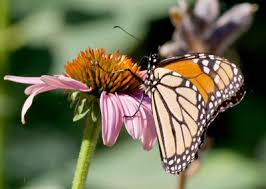
5. Grow Coneflowers
Coneflowers are hardy perennials that produce daisy-like flowers and attract butterflies, bees, and other pollinators.
Their flowers can add height and texture to garden beds while providing nectar during the warmer months.
They are especially useful in sunny, natural-looking landscapes.
6. Add Zinnias for Bright Color
Zinnias are colorful annual flowers that can provide abundant blooms during summer.
They are available in many colors, making them easy to coordinate with other plants in your garden.
Plant several varieties together for a bold flower display that can attract butterflies throughout the season.
7. Include Lantana
Lantana produces clusters of small flowers in bright colors and is especially popular in warm climates.
It can work well in flower beds, containers, and borders.
Because lantana can spread or become invasive in some regions, check local recommendations before planting.
8. Create a Butterfly Container Garden
You do not need a large yard to create a butterfly garden. Containers can work beautifully on balconies, patios, porches, and small yards.
Choose large containers with drainage holes and fill them with butterfly-friendly flowers.
You can combine plants of different heights to create a small but attractive habitat.
9. Plant Flowers in Groups
Instead of planting one flower here and another there, group several plants of the same type together.
Large patches of flowers can be easier for butterflies to spot from a distance and can create a stronger visual impact.
Repeating the same flowers throughout the garden also creates a more cohesive design.
10. Add Different Flower Shapes
Butterflies have different feeding preferences, so including flowers with different shapes and sizes can make your garden more useful.
Flat flowers, clusters, tubular blooms, and daisy-like flowers can all add variety.
A mixture of flower shapes can also make the garden more visually interesting.
11. Grow Flowers That Bloom at Different Times
A successful butterfly garden should provide nectar over as much of the growing season as possible.
Choose early-, mid-, and late-season flowering plants so butterflies have food available for longer.
This approach also keeps your garden colorful from spring through fall.
12. Provide a Shallow Water Source
Butterflies need water and minerals, but they generally do not need a deep pond.
A shallow dish filled with damp sand, soil, or small stones can provide a safe place for butterflies to drink and gather minerals.
Keep the area slightly moist and refresh it regularly during hot weather.
13. Create a Sunny Butterfly Puddling Area
Butterflies sometimes gather on wet soil or sand to drink water and obtain minerals. This behavior is called puddling.
You can create a small puddling area using a shallow container filled with sand or soil and enough water to keep it damp.
Place it in a sunny location where butterflies can easily find it.
14. Avoid Pesticides
One of the most important butterfly garden tips is to avoid unnecessary pesticide use.
Chemical pesticides can harm butterflies and caterpillars as well as other beneficial insects.
Instead, focus on healthy plants, appropriate plant selection, hand removal of pests when practical, and other environmentally friendly gardening methods.
15. Leave Some Natural Areas
A perfectly tidy garden is not always the best habitat for butterflies.
Leaving some fallen leaves, stems, or sheltered vegetation can provide places for insects to rest or overwinter.
You can keep your main flower beds neat while allowing a small part of the garden to remain more natural.
16. Add Flat Stones for Butterflies
Butterflies often rest on warm surfaces while using sunlight to regulate their body temperature.
Place a few flat stones in sunny areas of your butterfly garden where butterflies can safely land.
Dark-colored stones can warm up quickly in sunlight, creating useful basking spots.
17. Mix Flowers With Host Plants
One of the best ways to improve a butterfly garden is to combine nectar plants with host plants.
Nectar plants feed adult butterflies, while host plants provide food for caterpillars.
This creates a more complete habitat instead of supporting only adult butterflies.
Best Plants for a Butterfly Garden
Choosing the right plants is one of the most important steps when planning your garden.
Popular butterfly-friendly plants include:
- Milkweed
- Coneflower
- Zinnias
- Lantana
- Asters
- Black-eyed Susan
- Bee balm
- Salvia
- Verbena
- Goldenrod
- Phlox
- Native wildflowers
- Butterfly bush, where appropriate
The best plants depend on your location, climate, soil, and the butterfly species you want to attract.
How to Design a Butterfly Garden
A beautiful butterfly garden does not need to look complicated.
Start by choosing a sunny location. Next, place taller plants toward the back and shorter plants toward the front.
Use groups of flowers rather than scattering individual plants throughout the space. This creates a stronger visual display and can make nectar sources easier for butterflies to find.
Add a shallow water or puddling area and include a few flat stones for basking.
Finally, include host plants so butterflies can complete more of their life cycle in your garden.
Best Colors for Attracting Butterflies
Butterflies are often attracted to bright and contrasting flowers. Depending on the species, they may visit flowers in colors such as:
- Purple
- Pink
- Yellow
- Orange
- Red
- Blue
- White
Instead of focusing on just one color, create a combination of shades.
A colorful butterfly garden can look especially beautiful when different flowers bloom at different heights.
Butterfly Garden for Small Spaces
Small spaces can still support butterflies.
If you have a balcony or patio, use several large containers rather than trying to grow dozens of plants.
Choose nectar-rich flowers that bloom for long periods and include at least one suitable host plant if possible.
A small container butterfly garden can also be placed near a sunny window, entrance, or outdoor seating area so you can enjoy visiting butterflies up close.
Butterfly Garden Maintenance Tips
Once your garden is established, maintenance is fairly simple.
Water new plants regularly until their roots become established. After that, follow the moisture requirements of each plant.
Deadhead flowers when appropriate to encourage continued blooming, but consider leaving some seed heads later in the season for wildlife.
Avoid excessive pruning and pesticide use, especially when caterpillars are present.
Most importantly, expect some leaves to be eaten. Caterpillars feeding on host plants are not necessarily a sign that something is wrong. They are part of the life cycle you are trying to support.
Common Butterfly Garden Mistakes
Planting Only Nectar Flowers
Adult butterflies need nectar, but caterpillars need host plants. Include both whenever possible.
Choosing Plants Without Checking Your Climate
A plant may attract butterflies but still perform poorly if it is not suited to your growing conditions.
Using Too Many Chemicals
Pesticides can harm the very insects you are trying to attract.
Keeping Everything Too Tidy
Some natural plant debris can provide useful shelter for insects.
Forgetting Water
A shallow puddling area can make your garden more useful to butterflies, particularly during warm weather.
Frequently Asked Questions
What is the best plant for a butterfly garden?
There is no single best plant for every location. Milkweed is especially important for monarch caterpillars, while coneflowers, zinnias, salvia, asters, and other nectar-rich flowers can attract adult butterflies. Native plants are often excellent choices.
How do I start a butterfly garden?
Choose a sunny location, plant nectar-rich flowers, add appropriate host plants, provide shallow water or a puddling area, and avoid unnecessary pesticides. Start small and add more plants over time.
How do I attract butterflies to my garden quickly?
Plant clusters of colorful nectar-rich flowers that are suited to your local climate. Providing sunlight, shelter, water, and host plants can make your garden more attractive to butterflies over time.
Final Thoughts
Creating a butterfly garden is a simple and enjoyable way to make your outdoor space more colorful and welcoming. With the right flowers, plants, sunlight, and a little care, you can create a space where butterflies can visit and thrive.
You don’t need a large garden to get started. Even a few colorful, nectar-rich flowers in pots or a small garden corner can attract butterflies and add a beautiful natural touch to your space.
The key is to choose plants that suit your local climate and provide food and shelter for butterflies. With some planning and patience, your garden can become a peaceful little spot full of color and life.