

Dahlias are one of those flowers that can instantly make a garden look more colorful and cheerful. With their large blooms and many beautiful colors, they can become the main attraction of a flower bed, container, or backyard garden. But to keep dahlias blooming beautifully throughout the season, they need the right balance of sunlight, water, soil, and regular care.
Good dahlia care starts with giving the plant the growing conditions it actually needs. Choosing a sunny spot, using well-draining soil, watering properly, and removing faded flowers can make a noticeable difference in how well your dahlias grow. A little attention throughout the growing season can also encourage more flowers and healthier plants.
In this guide, I’ll cover simple dahlia care tips that are easy to follow, even if you are growing these flowers for the first time. From planting and watering to feeding, pruning, and preparing dahlias for the colder months, these practical tips will help you enjoy strong plants and beautiful blooms for longer.
What Are Dahlias?
Dahlias are flowering plants known for their wide variety of colors, flower forms, and sizes. They can produce everything from small, delicate blooms to large decorative flowers that become a focal point in the garden.
Dahlias grow from underground tubers and usually perform best when planted after the danger of frost has passed. Depending on the variety, plants can remain relatively compact or grow several feet tall.
Because dahlias come in so many forms, you can choose varieties that work well in containers, borders, raised beds, or dedicated cutting gardens.
Choose the Right Location for Dahlias
Choosing the right location is one of the first steps in successful dahlia care. Dahlias generally perform best in a location that receives plenty of direct sunlight.
A sunny garden bed can encourage stronger stems and better flowering. If possible, choose an area that receives around six to eight hours of sunlight per day.
Good air circulation is also helpful. Avoid planting dahlias in a crowded location where leaves remain wet for long periods after rain or watering.
If you are growing dahlias in containers, place the containers somewhere bright and make sure taller plants will not be shaded by buildings, fences, or larger plants.
Best Soil for Dahlias
Dahlias prefer fertile, well-draining soil that holds enough moisture without becoming waterlogged. Poor drainage can create problems for the tubers, especially when the soil stays wet for extended periods.
Before planting, loosen the soil and remove large stones, weeds, and compacted material. Adding mature compost can improve soil structure and provide organic matter.
A good soil mixture should allow excess water to drain while still providing enough moisture for healthy root development.
If your garden soil is heavy clay, improving drainage before planting can be especially useful. Raised beds can also be a practical option when drainage is a major concern.
How to Plant Dahlia Tubers
Planting correctly gives dahlias a strong start. Wait until the soil has warmed and the risk of frost has passed in your area.
Dig a planting hole large enough to accommodate the tuber without bending or damaging it. Position the tuber horizontally with the growing points facing upward.
Cover it with a few inches of soil rather than planting it extremely deep. As the plant grows, you can gradually add more soil if needed.
Avoid heavy watering immediately after planting if the soil is already moist. Excess moisture around a dormant tuber can increase the risk of rot.
Once shoots begin to appear, regular watering and other dahlia care practices can begin.
How Much Sun Do Dahlias Need?
Sunlight plays a major role in flowering. Most dahlias grow best with several hours of direct sunlight each day.
A location with morning and afternoon sun can provide excellent growing conditions. In extremely hot climates, some afternoon protection may help prevent plants from becoming stressed.
If your dahlia receives too little light, it may produce weaker stems and fewer flowers. Tall plants may also stretch toward available sunlight.
When selecting a planting location, think about both sunlight and airflow. A bright, open position can support healthier growth throughout the season.
How Often Should You Water Dahlias?
Consistent watering is an important part of dahlia care, especially when plants are actively growing and flowering.
Dahlias prefer evenly moist soil rather than constantly wet soil. Water deeply when the upper layer of soil begins to dry instead of giving the plant frequent, shallow drinks.
During hot or dry weather, dahlias may need water more often. Container-grown plants usually dry out faster than plants growing in garden beds, so check them regularly.
Water the soil around the base of the plant rather than repeatedly wetting the foliage. Morning watering is often helpful because leaves have more time to dry during the day.
Avoid allowing the soil to remain soggy. Good drainage is just as important as adequate moisture.
Fertilizing Dahlias for More Flowers
Dahlias benefit from fertile soil and regular feeding during active growth. However, more fertilizer does not always mean more flowers.
A balanced fertilizer can support healthy development early in the season. Once plants are established, many gardeners prefer a fertilizer that does not contain excessive nitrogen.
Too much nitrogen can encourage lots of leafy growth while reducing flowering.
Always follow the directions on the fertilizer label and avoid applying more than recommended. Adding compost to the soil before planting can also provide a gentle source of nutrients.
Good feeding practices are an important part of dahlia care, but sunlight, watering, soil quality, and proper spacing matter too.
Should Dahlias Be Staked?
Tall dahlia varieties often benefit from support. Large flowers can become heavy, and strong wind or rain may cause stems to bend or break.
Install a stake when planting if possible. Doing this early reduces the chance of damaging the tuber or roots later.
As the plant grows, loosely tie the stems to the support using soft garden ties.
Shorter varieties may not need staking, but keeping an eye on the plant during heavy rain or windy weather can help you decide whether additional support is necessary.
How to Pinch Dahlias
Pinching can encourage a fuller, bushier plant with more branching.
When the plant has developed several sets of leaves and is actively growing, you can pinch out the growing tip. This encourages side shoots to develop.
Do not pinch a plant that is struggling, damaged, or newly transplanted and under stress. Give it time to establish first.
Pinching is especially useful for taller varieties that you want to develop multiple flowering stems.
Deadheading Dahlias
Regular deadheading can keep your dahlia plant looking neat and encourage it to continue producing flowers.
Remove faded flowers before they begin putting energy into seed production. Cut the flower stem back toward a healthy set of leaves or branching point.
Do not simply remove the flower head and leave a long bare stem. Cutting back to a useful growth point can help the plant maintain a more attractive shape.
Deadheading is one of the easiest dahlia care tasks because it only takes a few minutes and can be done whenever you notice fading blooms.
How to Keep Dahlias Blooming Longer
If you want a long display of flowers, give your dahlias consistent care throughout the growing season.
Provide enough sunlight, water deeply when needed, remove faded flowers, and avoid excessive nitrogen fertilizer. Regularly check the plant for pests, disease symptoms, and broken stems.
Harvesting flowers for bouquets can also encourage continued flowering. Cut blooms in the early morning when the stems are well hydrated.
The more regularly you check your plants, the easier it becomes to notice problems before they become serious.
Common Dahlia Pests
Dahlias can attract several common garden pests, including aphids, slugs, snails, and other insects.
Check the undersides of leaves and the newest growth regularly. Look for holes, distorted leaves, sticky residue, or clusters of insects.
Removing pests early can be easier than dealing with a large infestation later.
Encouraging beneficial insects and maintaining a healthy garden environment can also support natural pest control.
Avoid automatically treating every insect as a problem. Some insects are harmless or beneficial to the garden.
Common Dahlia Problems
Even with good dahlia care, plants can sometimes develop problems.
Yellow Leaves
Yellow leaves can have several causes, including overwatering, poor drainage, nutrient issues, or natural aging. Check the soil moisture and overall condition of the plant before deciding what action to take.
Few or No Flowers
Insufficient sunlight, excessive nitrogen, stress, or an unsuitable growing environment can reduce flowering.
Make sure the plant receives enough light and avoid overfeeding with high-nitrogen fertilizer.
Wilting
Wilting can happen because of dry soil, heat stress, root problems, or disease. Check the soil before watering and make sure excess water can drain away.
Weak Stems
Weak stems may result from insufficient sunlight, lack of support, or natural growth habits of taller varieties. Staking and adequate sunlight can help.
Dahlia Care in Containers
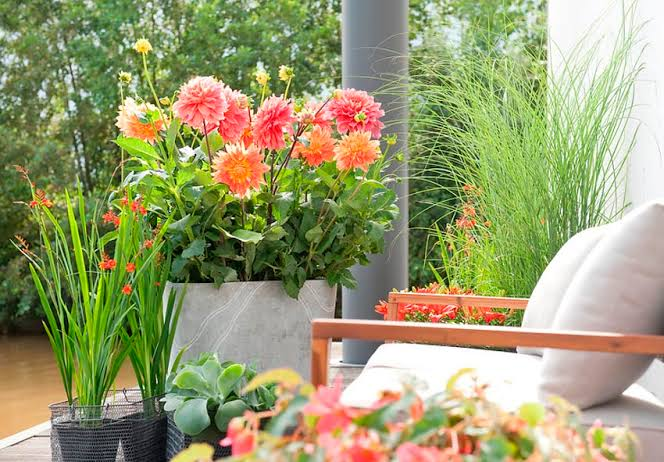
Dahlias can grow beautifully in containers when the pot is large enough and has good drainage.
Choose a container with drainage holes and enough depth for the root system. Smaller dahlia varieties are generally easier to manage in pots than very tall types.
Container plants may need more frequent watering because potting mix dries faster than garden soil.
Place the container in a sunny location and rotate it occasionally if growth becomes uneven.
Good drainage is particularly important for container dahlia care because excess water has fewer places to escape.
Dahlia Care During Hot Weather
Hot weather can increase water loss and place additional stress on plants.
Check the soil more frequently during heat waves and water deeply when necessary. A layer of suitable mulch can help reduce moisture loss and keep the soil temperature more stable.
Avoid watering only the surface of the soil. Deep watering encourages moisture to reach the root zone.
If your climate becomes extremely hot, providing some afternoon protection may help reduce stress while still giving the plant plenty of morning sunlight.
How to Cut Dahlias for Bouquets
Dahlias make excellent cut flowers. For longer-lasting blooms, cut them when the flowers are fully open or close to opening, depending on the variety.
Early morning is usually a good time to harvest because the plants are well hydrated.
Use clean, sharp scissors or pruning shears and cut the stem at an angle. Remove lower leaves that would otherwise sit in water.
Place the flowers in clean water as soon as possible.
Regular cutting can also encourage the plant to produce more flowering stems throughout the season.
How to Prepare Dahlias for Winter
In areas where the ground freezes, dahlia tubers may need protection during winter.
After the first frost damages the foliage, many gardeners cut the stems back and carefully dig up the tubers.
Allow the tubers to dry for a short period in a suitable location before storing them. Remove excess soil carefully and inspect them for signs of damage or rot.
Store healthy tubers in a cool, dark, dry location where they will not freeze. The exact storage method can vary depending on your climate and conditions.
Gardeners in mild climates where the soil does not freeze deeply may be able to leave tubers in the ground with suitable protection.
When to Start Dahlias Again in Spring
Once winter has passed and the risk of severe frost is over, you can begin preparing your dahlias for another growing season.
Inspect stored tubers and discard any that are clearly damaged or rotting. Healthy tubers can be planted in suitable soil once conditions are warm enough.
If you want an earlier start, dahlias can sometimes be started indoors in containers and moved outside after the weather becomes suitable.
This gives the plants additional time to establish before the main flowering season.
Simple Dahlia Care Routine
A simple routine can make growing dahlias much easier.
Check the soil regularly and water when needed. Look for pests and damaged leaves. Remove faded flowers, support tall stems, and monitor plants for signs of stress.
Every few days, take a quick look at the plant instead of waiting until a problem becomes obvious.
Consistent dahlia care does not have to take a lot of time. Small tasks performed regularly can help keep plants healthier and encourage more flowers.
Frequently Asked Questions
How much sun do dahlias need?
Most dahlias grow best with several hours of direct sunlight each day. Around six to eight hours is commonly suitable, although conditions can vary by climate and variety.
How often should I water dahlias?
Water when the upper layer of soil begins to dry, providing a deep watering rather than frequent shallow watering. Plants may need more water during hot, dry weather.
Do dahlias come back every year?
Dahlias can return from their tubers in climates where the ground does not freeze deeply. In colder areas, tubers are often lifted and stored indoors over winter.
Final Thoughts
Growing healthy dahlias is mostly about giving them the conditions they prefer and staying consistent with basic care. Plenty of sunlight, well-draining soil, regular watering, and occasional feeding can help the plants stay strong and produce beautiful flowers. Removing spent blooms can also encourage the plant to keep flowering instead of putting all its energy into old flowers.
With a little patience, dahlias can become one of the most rewarding flowers in your garden. Keep an eye on the leaves, stems, soil, and blooms so you can notice any problems early. Once you understand what your dahlias need, caring for them becomes much easier, and you can enjoy their colorful flowers throughout the growing season.