

Growing an edible fig tree can be a great addition to a home garden, especially if you enjoy fresh, naturally sweet fruit. Fig trees have an attractive appearance and can provide a useful harvest without needing a huge amount of space, making them suitable for many backyard gardens.
With the right sunlight, well-draining soil, and regular care, fig trees can grow well and produce delicious figs during the growing season. They can also add a warm, Mediterranean feel to the garden with their large green leaves and spreading shape.
Whether you are planting a fig tree in the ground or growing one in a container, understanding its basic needs can make a big difference. With a little patience and proper care, an edible fig tree can become a beautiful and rewarding part of your garden for years to come.
Understanding the Edible Fig Tree
The edible fig tree, botanically known as Ficus carica, is a fruiting tree grown in many warm and temperate regions.
Unlike many common fruit trees, figs have a somewhat different growth habit. They can grow as large shrubs or small trees and often develop multiple stems from the base.
Fig trees can produce fruit on different types of growth depending on the variety and climate. This makes understanding your particular variety useful when planning pruning and harvesting.
With enough warmth and sunlight, a healthy fig tree can reward you with soft, fragrant fruit during the growing season.
Choose the Right Location
Location is one of the most important parts of successful edible fig tree care.
Choose a position that receives plenty of direct sunlight. A sunny south-facing location is often ideal in climates where winter temperatures are a concern.
Avoid planting your fig tree in a spot where large buildings or trees block sunlight for most of the day.
Good air circulation is also helpful. Leave enough space around the tree so its branches can develop without becoming crowded. A sunny and well-ventilated location is an important part of successful edible fig tree care.
How Much Sun Does a Fig Tree Need?
Fig trees are sun-loving plants.
Aim for approximately six to eight hours of direct sunlight per day when possible.
Adequate sunlight helps support healthy foliage, strong growth, and fruit development.
A tree growing in heavy shade may produce weak growth and fewer fruits.
If you are growing a fig tree in a container, you can move it to a sunnier location as the seasons change.
Best Soil for Fig Trees
Fig trees prefer fertile, well-draining soil.
The roots need access to moisture, but they should not remain in constantly saturated soil.
Poor drainage can increase the risk of root problems.
Before planting, loosen compacted soil and improve the planting area with appropriate organic matter if needed.
Avoid creating a planting hole filled with completely different soil from the surrounding ground, because this can sometimes interfere with natural drainage. Good drainage should always be a priority when planning edible fig tree care.
Should You Test the Soil?
A soil test can be useful before planting, especially if you are unsure about the condition of your garden soil.
It can provide information about pH and nutrient levels.
Figs can tolerate a range of soil conditions, but balanced nutrition and good drainage are important.
Rather than adding large amounts of fertilizer automatically, use a soil test and observe the tree’s growth to determine what it actually needs.
Planting an Edible Fig Tree
The best planting time depends on your climate.
In areas with mild winters, fig trees are often planted during a period when temperatures are moderate and the tree has time to establish roots.
Dig a hole wide enough to accommodate the root system comfortably.
Place the tree at an appropriate depth, backfill with soil, and water thoroughly.
Apply a layer of mulch around the root zone, but keep it away from direct contact with the trunk.
Watering Fig Trees
Watering is an important part of edible fig tree care, particularly during the first growing season.
Newly planted fig trees need regular moisture while their roots become established.
Once established, fig trees can tolerate some dry conditions, but they still benefit from consistent moisture during active growth and fruit development.
Instead of watering according to a fixed schedule, check the soil first.
If the upper layer has dried out, provide a deep watering. Consistent moisture during active growth is one of the most important parts of edible fig tree care.
Avoid Overwatering
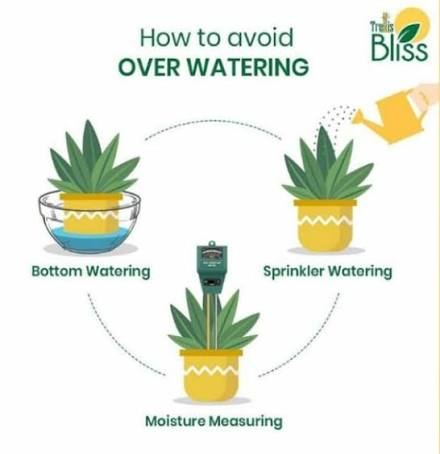
Too much water can create problems for fig trees.
Constantly wet soil can reduce oxygen around the roots and increase the risk of root damage.
Make sure your planting site drains well.
Container-grown fig trees should always have drainage holes.
If water regularly collects around the base of a tree, investigate the drainage problem instead of simply changing the watering schedule.
Watering Fig Trees in Containers
Container-grown fig trees usually dry out faster than trees planted in the ground.
Check the potting mix regularly during hot weather.
Water thoroughly when the growing medium begins to dry, allowing excess water to drain from the bottom.
Avoid letting the container sit in a tray of standing water.
A larger container can provide more stable moisture conditions and enough space for healthy root development.
Fertilizing Fig Trees
Fig trees generally benefit from balanced nutrition, particularly when grown in containers or poor soil.
However, excessive fertilizer can cause a lot of leafy growth without producing the fruit you want.
A fertilizer formulated for fruiting plants can be used according to the product’s instructions.
Container-grown trees may require more regular feeding because nutrients can be washed out during watering.
Avoid applying fertilizer when the tree is dormant unless a specific soil-management recommendation calls for it. Balanced feeding can help maintain healthy growth without interfering with fruit production, making it an important consideration for edible fig tree care.
Why Is My Fig Tree Growing Lots of Leaves but No Fruit?
A fig tree covered in healthy leaves but producing little or no fruit can have several causes.
Insufficient sunlight is one possibility.
Excessive nitrogen can also encourage foliage rather than fruit production.
Young trees may simply need more time to mature.
Pruning at the wrong time can also remove growth that would have produced fruit.
Finally, fruiting behavior differs between varieties, so identifying your fig variety can help explain unusual results.
Pruning an Edible Fig Tree
Pruning can help keep a fig tree manageable and improve its structure.
However, fig trees do not always need aggressive pruning.
Remove dead, damaged, or diseased branches first.
You can also remove branches that cross each other or grow in an inconvenient direction.
Avoid excessive pruning simply to make the tree look perfectly shaped.
The correct pruning approach depends on the variety and when it produces fruit. Understanding the tree’s fruiting habit makes pruning much easier and improves your overall edible fig tree care routine.
When Should You Prune a Fig Tree?
Timing is particularly important.
In many climates, major pruning is done during the dormant season.
However, gardeners should consider their specific fig variety and local climate before making significant cuts.
If your tree produces an early crop on older wood, heavy pruning can reduce that harvest.
Learning whether your tree fruits on old growth, new growth, or both can help you prune more intelligently.
Winter Protection for Fig Trees
Fig trees can be damaged by freezing temperatures, particularly when they are young.
In colder regions, winter protection may be necessary.
Possible methods include:
- Applying mulch around the root zone
- Wrapping young trees
- Protecting branches from severe cold
- Growing figs in containers and moving them into a sheltered area
- Choosing cold-tolerant varieties
The best method depends on your climate and the expected winter temperatures. Protecting the tree during severe cold should be included in your seasonal edible fig tree care plan.
Growing Fig Trees in Containers
Container growing is an excellent option when your climate is too cold for a fig tree to remain outdoors year-round.
Choose a large container with drainage holes.
Use a well-draining potting mix rather than heavy garden soil.
Place the tree in a sunny location during the growing season.
In colder climates, move the container to a protected location before severe freezing weather arrives.
Container-grown figs can also be easier to manage in smaller gardens. Container-grown trees require closer attention to watering and feeding, so regular edible fig tree care is especially important.
Choosing the Right Fig Variety
Different fig varieties have different fruit colors, flavors, growth habits, and climate tolerances.
Some produce green or yellowish fruit, while others develop brown, purple, or dark-colored fruit.
When choosing a tree, consider:
- Your climate
- Available space
- Container or ground growing
- Fruit size
- Fruit color
- Flavor
- Cold tolerance
- Expected harvest season
A local nursery can often recommend varieties that perform well in your region.
How to Encourage Fruit Production
If your goal is a large harvest, focus on healthy overall growth rather than forcing the tree to produce fruit.
Provide plenty of sunlight.
Keep watering consistent during fruit development.
Avoid excessive nitrogen fertilizer.
Prune thoughtfully rather than removing large amounts of healthy wood.
Do not overcrowd the tree with nearby plants that compete for water and nutrients.
A mature, healthy fig tree is more likely to produce a dependable crop.
Fig Tree Pests
Fig trees can occasionally experience problems with insects and other pests.
Inspect leaves, stems, and developing fruit regularly.
Look for:
- Discolored leaves
- Chewed foliage
- Sticky residue
- Visible insects
- Damaged fruit
- Unusual growth
Early detection makes problems easier to manage.
Avoid treating every insect automatically. First identify the pest and determine whether it is actually causing significant damage. Regular inspection is a simple but effective part of good edible fig tree care.
Fig Tree Diseases
Good growing conditions can help reduce disease problems.
Avoid consistently wet soil and provide adequate airflow around the tree.
Remove diseased plant material when appropriate.
Water the soil rather than repeatedly wetting the foliage.
If a serious disease appears, identify the cause before choosing a treatment.
Different diseases require different management strategies.
Why Are My Fig Leaves Turning Yellow?
Yellow leaves can result from several different conditions.
Possible causes include:
- Overwatering
- Poor drainage
- Nutrient deficiencies
- Root problems
- Insufficient sunlight
- Natural aging of older leaves
Start by checking the soil moisture and drainage.
If the soil is constantly wet, reduce irrigation and improve drainage.
If the plant is otherwise healthy and only older leaves are yellowing, the change may simply be part of the normal growth cycle.
Checking moisture, drainage, sunlight, and nutrition should be part of your regular edible fig tree care routine.
Why Are Figs Falling Before They Ripen?
Premature fruit drop can be frustrating.
Water stress is one possible cause. Sudden changes between very dry and very wet soil can put stress on the tree.
Young trees may also drop some developing fruit before they become fully established.
Poor pollination can be a factor for certain fig types, although many commonly grown edible figs do not require cross-pollination.
Weather conditions, pests, and variety-specific fruiting behavior can also influence fruit retention.
How to Tell When Figs Are Ripe
Knowing when to harvest is one of the most rewarding parts of edible fig tree care.
A ripe fig is generally softer than an unripe one and may droop slightly from the branch.
The fruit’s color will depend on the variety.
Some figs remain green or yellow when ripe, while others become brown, purple, or dark.
A ripe fig often separates from the branch relatively easily.
Avoid harvesting figs too early because they do not continue ripening in the same way as many other fruits. Knowing the correct harvesting stage is another useful skill when practicing edible fig tree care.
How to Harvest Fresh Figs
Handle ripe figs gently because they bruise easily.
Pick fruit when it has reached the appropriate color, softness, and size for its variety.
Harvest during dry weather when possible.
Because fresh figs are delicate, they are best eaten soon after harvesting or stored properly.
Wearing gloves can be helpful for some gardeners because fig sap may irritate sensitive skin.
How to Store Fresh Figs
Fresh figs are highly perishable.
Place ripe figs in the refrigerator if you are not eating them immediately.
A shallow container can help prevent them from being crushed.
For longer storage, figs can be dried, frozen, or preserved depending on your preference.
Always inspect fruit before eating and discard fruit showing significant mold or spoilage.
How Long Does an Edible Fig Tree Take to Produce Fruit?
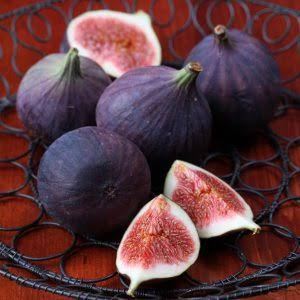
The time required depends on the variety, age of the tree, growing conditions, and whether the plant was propagated from a cutting or grown from seed.
Nursery-grown trees that are already established can sometimes fruit sooner than seedlings.
A young tree may spend its first years developing roots and branches before producing a substantial crop.
Patience is an important part of growing fruit trees.
Fig Tree Care Through the Seasons
Spring
Spring is a time of active growth.
Check for winter damage and remove dead branches.
Begin regular watering as temperatures increase.
Watch for new leaves and developing fruit.
Summer
Summer is often the main growing and fruiting period.
Provide consistent moisture and monitor the tree for pests.
Harvest ripe figs regularly.
Keep competing weeds away from the root zone.
Fall
Continue harvesting as fruit ripens.
Reduce watering as temperatures decline, depending on rainfall and climate.
Prepare container-grown trees for winter protection if necessary.
Winter
Many fig trees become dormant in colder climates.
Protect young trees from severe freezing conditions.
Avoid heavy fertilizer applications while the tree is dormant.
Common Fig Tree Care Mistakes
Overwatering
Fig trees do not like constantly saturated soil.
Too Much Fertilizer
Excess nitrogen can encourage foliage instead of fruit.
Insufficient Sunlight
A shady location can reduce fruit production.
Heavy Pruning
Removing too much productive wood can reduce the next crop.
Ignoring Winter Conditions
Cold-sensitive trees may need protection in freezing climates.
Harvesting Too Early
Underripe figs are often less sweet and may have a firmer texture.
Planting Without Considering Mature Size
Fig trees can become much larger than they appear when purchased.
Tips for Healthier Fig Trees
For better results, keep these practical tips in mind:
- Choose a variety suited to your climate.
- Give the tree plenty of sunlight.
- Use well-draining soil.
- Water deeply rather than keeping the soil constantly wet.
- Avoid excessive nitrogen.
- Prune selectively.
- Monitor pests regularly.
- Protect young trees from severe cold.
- Harvest fruit at the correct stage.
- Keep weeds away from the root zone.
- Give container trees enough room for healthy roots.
Frequently Asked Questions About Edible Fig Tree Care
How much sunlight does an edible fig tree need?
Most fig trees perform best with around six to eight hours of direct sunlight each day.
How often should I water a fig tree?
Water when the soil begins to dry rather than following a strict calendar. Young trees and container-grown figs generally need more frequent attention.
Can fig trees grow in pots?
Yes. Fig trees can grow successfully in large containers when they receive sufficient sunlight, appropriate soil, water, and root space.
Why is my fig tree not producing fruit?
Possible causes include insufficient sunlight, excessive nitrogen, young age, incorrect pruning, environmental stress, or variety-specific fruiting requirements.
Do fig trees need fertilizer?
They may benefit from fertilizer when soil nutrients are low, but excessive feeding can encourage leaves instead of fruit.
Should I prune my fig tree?
Light, thoughtful pruning can help maintain structure and remove dead or damaged branches. The best pruning method depends on the variety and its fruiting habit.
Can fig trees survive winter?
Some varieties tolerate colder temperatures better than others. In cold regions, young trees may require protection or container growing.
How do I know when a fig is ripe?
Ripe figs are usually softer, may droop from the branch, and often separate easily when gently picked. Color depends on the variety.
Final Thoughts
Growing an edible fig tree can be a great addition to a home garden, especially if you enjoy fresh, naturally sweet fruit. Fig trees have an attractive appearance and can provide a useful harvest without needing a huge amount of space, making them suitable for many backyard gardens.
With the right sunlight, well-draining soil, and regular care, fig trees can grow well and produce delicious figs during the growing season. They can also add a warm, Mediterranean feel to the garden with their large green leaves and spreading shape.
Whether you are planting a fig tree in the ground or growing one in a container, understanding its basic needs can make a big difference. With a little patience and proper care, an edible fig tree can become a beautiful and rewarding part of your garden for years to come.