

If you want to add beauty and privacy to your garden without waiting for years, fast-growing climbing plants are a great choice. They can quickly cover fences, walls, pergolas, and trellises while adding fresh greenery and colorful flowers to your outdoor space. With the right care, many of these plants grow surprisingly fast and make even a small garden feel more inviting.
The best part about climbing plants is that there is a variety for almost every garden style and climate. Some are grown for their beautiful blooms, while others are loved for their lush green leaves that stay attractive throughout the season. In this guide, I’ll share some of the best fast-growing climbing plants that can help transform your garden into a beautiful, green space in less time.
What Are Fast Growing Climbing Plants?
Fast growing climbing plants are vines that develop new stems, leaves, and branches relatively quickly during their active growing season. These plants naturally grow upward or outward and use different methods to climb, including twining stems, tendrils, aerial roots, or adhesive structures.
Their rapid growth makes them especially useful when you want to cover an unattractive fence or create a green screen in a relatively short period. However, fast growth also means that some varieties require regular pruning and maintenance to prevent them from becoming difficult to control.
The ideal climbing plant depends on your climate, available sunlight, soil conditions, garden size, and the structure you want the plant to climb.
Why Choose Fast Growing Climbing Plants?
There are several reasons gardeners choose fast growing climbing plants for their outdoor spaces.
1. Quick Garden Coverage
One of the biggest advantages is their ability to cover empty vertical spaces relatively quickly. A bare fence or plain wall can become much more attractive once covered with healthy foliage.
2. Natural Privacy
Dense climbing plants can create a natural privacy screen around patios, balconies, and gardens. Instead of installing a completely solid barrier, you can use greenery to create a softer and more natural appearance.
3. Beautiful Flowers
Many climbing vines produce stunning flowers in colors such as purple, pink, red, yellow, orange, and white. These flowers can become a major feature of the garden.
4. Space-Saving Gardening
Vertical gardening is particularly useful for small outdoor areas. Growing plants upward allows you to enjoy more greenery without using large amounts of ground space.
5. Shade and Cooling
Dense vines trained over pergolas, arches, and outdoor seating areas can provide shade. This can make patios and garden seating areas more comfortable during sunny weather.
20 Best Fast Growing Climbing Plants
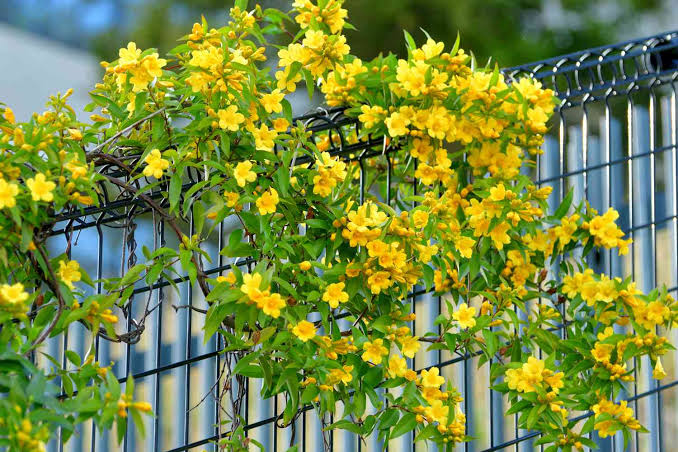
There are many climbing plants available, but the following varieties are popular for their attractive appearance and vigorous growth. The following fast growing climbing plants are popular for their attractive appearance, vigorous growth, and versatility.
1. Morning Glory
Morning glory is one of the well-known fast-growing flowering vines. It produces trumpet-shaped flowers and heart-shaped foliage and can quickly climb trellises, fences, and garden supports.
It generally performs best in a sunny location with suitable moisture. Because some morning glory varieties can spread rapidly, it is important to provide adequate support and keep the plant under control.
Morning glory is especially useful when you want seasonal color and quick vertical coverage.
2. Clematis
Clematis is a favorite among gardeners because of its beautiful flowers and wide range of varieties. Depending on the species, flowers can appear in purple, pink, blue, red, or white.
Clematis can be trained along trellises, fences, arches, and pergolas. Different varieties have different growth habits, so choosing one suitable for your climate and available space is important.
With proper care and support, clematis can become a spectacular vertical feature in the garden.
3. Honeysuckle
Honeysuckle combines vigorous growth with attractive, often fragrant flowers. Its ability to climb fences and trellises makes it a useful choice for privacy screens and decorative garden structures.
Honeysuckle flowers can also attract pollinators, making the plant useful for gardeners who want to create a wildlife-friendly outdoor space.
Because some varieties grow aggressively, regular pruning may be necessary.
4. Jasmine
Jasmine is an excellent option if fragrance is one of your priorities. Many jasmine varieties produce small but highly fragrant flowers and can create an attractive green covering on trellises and walls.
Jasmine generally appreciates warmth and sunlight, although its exact requirements depend on the species. In suitable climates, it can become a vigorous and attractive garden climber.
5. Wisteria
Wisteria is famous for its dramatic hanging flower clusters and vigorous growth. Mature plants can create an impressive canopy over pergolas, arches, and strong garden structures.
Its growth can become very substantial, so it needs a strong support system and regular pruning. When properly maintained, wisteria can become one of the most striking features in a garden.
6. Bougainvillea
For warm climates, bougainvillea can be an outstanding choice. Its colorful bracts can create a vibrant display along walls, fences, balconies, and pergolas.
Bougainvillea generally prefers plenty of sunlight and well-draining soil. Once established in a suitable environment, it can grow vigorously and provide excellent visual coverage.
Its colorful appearance makes it especially popular in tropical and Mediterranean-style landscapes.
7. Passion Flower
Passion flower vines are known for their unusual and intricate flowers. Their vigorous growth allows them to cover trellises and fences effectively.
The foliage provides a lush appearance, while the flowers add an exotic touch to the garden. Passion flower can also be beneficial for pollinators and wildlife depending on the species and local conditions.
8. Trumpet Vine
Trumpet vine is a vigorous climber that produces bright, trumpet-shaped flowers. It can cover large structures relatively quickly when growing conditions are favorable.
However, its aggressive growth means it should be planted carefully. Regular pruning and monitoring can help keep it within its intended area.
It is best suited to gardeners who have enough space to accommodate a vigorous vine.
9. Climbing Roses
Climbing roses offer the classic beauty of roses while allowing gardeners to use vertical space. They can be trained along arches, fences, pergolas, and trellises.
Different varieties produce flowers in many colors and may have different growth habits. With suitable support, sunlight, watering, and pruning, climbing roses can create an elegant and romantic garden feature.
10. Ivy
Ivy is often selected when dense green foliage is the main goal. Some varieties can tolerate relatively shady conditions and provide greenery over walls, fences, and other structures.
Ivy can spread quickly, so maintenance is important. Before planting, check whether the selected variety is suitable for your local environment and whether its growth needs to be controlled.
11. Virginia Creeper
Virginia creeper is a vigorous vine that can provide dense seasonal coverage. Its foliage can also develop attractive colors in autumn in suitable climates.
It can be used to cover fences, walls, and other garden structures. Because it grows strongly, regular maintenance may be necessary to keep it within the desired area.
12. Sweet Pea
Sweet pea is valued for its colorful flowers and pleasant fragrance. It can be trained on small trellises, fences, and garden supports.
Sweet peas are particularly attractive in cottage-style gardens and smaller spaces where seasonal flowers are desired.
13. Black-Eyed Susan Vine
Black-eyed Susan vine produces bright flowers that can add cheerful color to a garden. It can grow successfully on trellises, balcony supports, and other structures in suitable warm conditions.
Its compact appearance compared with some very vigorous climbers makes it useful for decorative vertical gardening.
14. Grapevine
Grapevines are excellent for gardeners who want greenery as well as fruit. They can be trained across strong pergolas, arbors, and trellises.
With proper pruning and support, grapevines can create an attractive shaded area while producing grapes under suitable growing conditions.
15. Scarlet Runner Bean
Scarlet runner bean is a useful climbing plant because it combines ornamental flowers with edible pods. It can grow rapidly when provided with adequate sunlight, moisture, and support.
It is a good option for gardeners interested in combining vertical gardening with food production.
16. Chocolate Vine
Chocolate vine is a vigorous climber known for its attractive foliage and unusual flowers. It can be trained over suitable supports and can provide dense greenery.
Because it can become vigorous, it should be planted where there is enough room for growth and where regular maintenance is possible.
17. Moonflower
Moonflower is closely associated with warm-season gardens and produces large, fragrant flowers that open in the evening. Its vigorous climbing habit makes it suitable for trellises, fences, and outdoor seating areas.
It can be especially appealing if you enjoy spending time in your garden during the evening.
18. Cup and Saucer Vine
Cup and saucer vine is a fast-growing ornamental climber that can create attractive vertical coverage. It produces distinctive flowers and lush foliage when grown under suitable conditions.
It works particularly well on trellises, fences, and garden arches where its climbing habit can be displayed.
19. Canary Creeper
Canary creeper is a decorative climbing vine known for its unusual foliage and bright flowers. It can add texture and color to trellises, hanging structures, and garden supports.
It is especially useful when you want something slightly different from traditional flowering vines.
20. Climbing Hydrangea
Climbing hydrangea can eventually create impressive coverage on suitable walls and structures. It produces attractive foliage and flowers and can be particularly useful in areas where a more natural, woodland-style appearance is desired.
Although growth speed varies depending on the plant and conditions, established plants can become substantial climbers.
Best Fast Growing Climbing Plants for Privacy
f your main goal is privacy, fast growing climbing plants with dense foliage can help create a natural screen more quickly.
Some options include:
- Jasmine
- Honeysuckle
- Ivy
- Virginia creeper
- Passion flower
- Trumpet vine
- Certain vigorous climbing roses
A trellis or fence can provide the framework needed to guide these plants. For the best result, choose a variety that is suitable for your climate and does not become excessively invasive in your area.
Best Climbing Plants for Pergolas
Pergolas are ideal for fast growing climbing plants because they provide horizontal and vertical surfaces for vigorous vines to use.
Some popular choices include wisteria, grapevine, jasmine, climbing roses, honeysuckle, and passion flower.
Before planting, consider the eventual weight of the vine. Wisteria and grapevines, for example, can become heavy as they mature, so the pergola should be strong enough to support them.
Fast Growing Climbers for Small Gardens
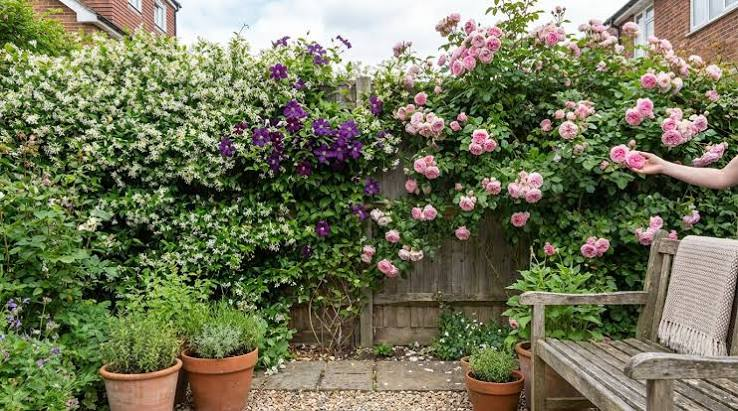
Small gardens do not mean you have to miss out on beautiful vines. Vertical gardening allows you to use walls, fences, balconies, and small trellises efficiently.
Clematis, sweet pea, morning glory, jasmine, and black-eyed Susan vine can be suitable options depending on your climate and the size of the support.
For a small garden, avoid choosing an extremely vigorous plant simply because it grows quickly. A plant that becomes too large can overwhelm the space and require constant pruning.
Fast Growing Climbing Plants for Fences
Fences provide natural support for many types of climbing plants. If you want to soften the appearance of a wooden, metal, or concrete fence, consider vines such as jasmine, honeysuckle, clematis, climbing roses, or Virginia creeper.
Make sure there is enough airflow between dense foliage and the fence, especially in humid environments. Proper spacing and pruning can help reduce maintenance problems.
How to Make Fast Growing Climbing Plants Grow Faster
Although each plant has its own requirements, several general practices can encourage healthy growth.
Choose the Right Location
Start by selecting a location that matches the plant’s sunlight requirements. A plant that needs full sun may grow slowly in deep shade.
Prepare the Soil
Healthy soil provides roots with the support and nutrients they need. Good drainage is especially important because constantly waterlogged soil can damage roots.
Water Properly
Young vines usually need consistent moisture while they establish themselves. Water deeply when necessary rather than keeping the soil constantly saturated.
Provide Support Early
Install the trellis, fence support, arch, or other climbing structure before the plant becomes large. Gently guide young stems toward the support.
Use Appropriate Fertilizer
Some climbing plants benefit from feeding during their active growing period. However, too much fertilizer can encourage excessive foliage instead of flowers, so follow the requirements of the specific variety.
Prune Regularly
Fast-growing vines can quickly become untidy. Regular pruning helps maintain their shape, removes unwanted growth, and can encourage healthier development.
Things to Consider Before Planting Fast-Growing Vines
Fast growth sounds attractive, but it is not always the only factor to consider. Some vines can become extremely vigorous and may require significant maintenance.
Before planting, ask yourself:
- How large will the plant become?
- Is it suitable for my climate?
- Does it need full sun or shade?
- What type of support does it require?
- Will it need regular pruning?
- Is it evergreen or deciduous?
- Does it produce flowers or fruit?
- Could it spread beyond the area where I want it?
Choosing the right plant at the beginning can save you considerable time and effort later.
Common Mistakes to Avoid
One common mistake is planting a vigorous vine without considering its mature size. A small plant may look harmless initially but can eventually cover a large area.
Another mistake is using a weak support for a heavy climber. Always consider how large and heavy the plant may become.
Overwatering is another common problem. Most climbing plants prefer soil that provides moisture while still allowing excess water to drain away.
Finally, avoid ignoring pruning. Regular maintenance is particularly important for fast-growing vines because their growth can quickly become difficult to manage.
Are Fast Growing Climbing Plants Good for Every Garden?
Not necessarily. The best plant depends on your individual growing conditions.
A climber that performs beautifully in a warm, sunny garden may struggle in a cold or shaded location. Similarly, a vigorous vine that is perfect for covering a large pergola may be unsuitable for a tiny balcony.
The best approach is to match the plant’s characteristics with your available space, climate, sunlight, support structure, and maintenance preferences.
Frequently Asked Questions About Fast Growing Climbing Plants
What is the fastest growing climbing plant?
There is no single fastest-growing option for every climate, but several fast growing climbing plants can grow rapidly under suitable conditions. Morning glory, trumpet vine, honeysuckle, and some ivy varieties can grow very rapidly under suitable conditions.
Which climbing plant is best for privacy?
Dense climbers such as jasmine, honeysuckle, ivy, and Virginia creeper can provide good privacy when trained across an appropriate support.
What is the best climbing plant for a pergola?
Wisteria, grapevine, jasmine, climbing roses, and honeysuckle are popular choices. Heavy vines such as wisteria require a strong pergola structure.
Which climbing plants grow well in pots?
Clematis, jasmine, sweet pea, black-eyed Susan vine, and some climbing roses can be grown in containers when provided with suitable pot size, soil, watering, sunlight, and support.
Do climbing plants need a trellis?
Many climbing plants benefit from a trellis or another support. Providing support allows them to grow vertically and makes it easier to guide and maintain their shape.
How long does it take climbing plants to cover a fence?
The time varies considerably by plant species, climate, sunlight, soil, watering, and the size of the plant when planted. Vigorous varieties may provide noticeable coverage within one growing season, while others take longer to become established.
Are fast-growing vines difficult to maintain?
Some are easy to maintain, while vigorous varieties can require frequent pruning. Always check the mature size and growth habit before choosing a climbing plant.
Can climbing plants damage walls?
Some climbing plants can potentially affect surfaces depending on how they attach and the condition of the wall. Using a suitable trellis or support can help keep the plant controlled and make maintenance easier.
Final Thoughts
Fast-growing climbing plants are a simple way to make any garden look fuller and more attractive without waiting for years. Whether you want to cover a fence, decorate a wall, or add more greenery to your outdoor space, there are many beautiful options to choose from. With the right plant and a little regular care, you can enjoy quick and healthy growth.
I think the best results come from choosing a climbing plant that matches your local climate and the space you have available. Once it starts growing, you’ll notice how much life and color it brings to your garden. A little patience and consistent care can turn even a plain corner into a beautiful green space.