

Growing plants in a greenhouse can be a great way to enjoy gardening for a longer season and protect plants from changing weather. I love how a greenhouse gives you more control over the growing environment, but it can also take some practice to get the temperature, watering, and airflow right. With a few simple greenhouse gardening tips, even beginners can create a healthy space where plants have a better chance to thrive.
One of the biggest benefits of greenhouse gardening is being able to provide plants with more consistent conditions. You can start seeds earlier, protect delicate plants from cold temperatures, and grow certain vegetables and flowers for longer. However, too much heat, poor ventilation, or overwatering can quickly cause problems, so paying attention to the greenhouse environment is important.
In this guide, I’ll share practical greenhouse gardening tips that can make growing plants easier and more successful. From choosing the right location and managing temperature to watering, ventilation, and caring for plants, these simple ideas can help you get more from your greenhouse throughout the growing season.
What Is Greenhouse Gardening?
Greenhouse gardening involves growing plants inside a protected structure made from materials that allow sunlight to enter while providing some protection from outdoor conditions.
A greenhouse can help protect plants from cold temperatures, wind, heavy rain, and certain pests. It can also extend the growing season by allowing you to start plants earlier in spring or continue growing later into fall.
Depending on the type of greenhouse and climate, gardeners can grow vegetables, herbs, flowers, seedlings, and even some plants that would normally struggle outdoors. Following practical greenhouse gardening tips can make it easier to manage changing temperatures, moisture, sunlight, and airflow.
17 Best Greenhouse Gardening Tips for Beginners
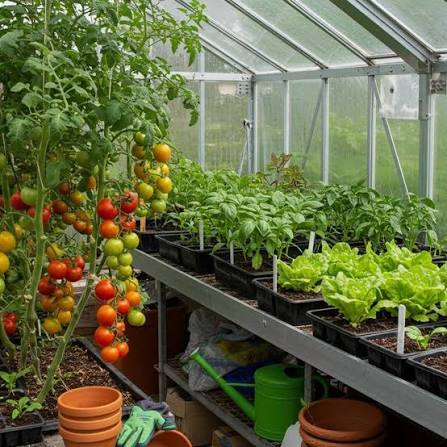
1. Choose the Right Location
One of the most important greenhouse gardening tips is choosing the right location before you even build or install the structure.
Your greenhouse should receive plenty of sunlight, especially during the parts of the day when the sun is strongest.
Avoid locations where buildings, large trees, or fences block sunlight for long periods.
Good drainage is also important. A greenhouse should not sit in an area where rainwater regularly collects.
If possible, choose a location that is convenient to access. A greenhouse that is close to your home is more likely to receive regular attention.
2. Understand How Much Sunlight Your Greenhouse Gets
Sunlight is the main energy source for most greenhouse plants.
Observe your greenhouse throughout the day and identify areas that receive full sun and areas that remain shaded.
Different plants have different light requirements. Tomatoes and peppers generally need plenty of light, while some leafy greens can tolerate less.
During winter, short days may limit natural light. In such situations, supplemental grow lights may be useful for seedlings and plants with higher light requirements.
3. Control the Temperature
Greenhouses can become surprisingly hot, even when outdoor temperatures feel comfortable.
On sunny days, temperatures inside can rise quickly. Excessive heat can cause plants to wilt, flowers to drop, and growth to become stressed. One of the most important greenhouse gardening tips is to monitor temperature regularly instead of relying only on outdoor conditions.
Use a thermometer to monitor the temperature rather than relying on guesswork.
Ventilation, shade cloth, fans, and automatic vent openers can help regulate greenhouse temperatures.
During cold weather, you may need additional insulation or a safe heating system depending on your climate and the plants you are growing.
4. Prioritize Good Ventilation
Ventilation is essential for greenhouse gardening.
Fresh air helps reduce excessive heat and humidity while improving air circulation around plants.
Open vents or doors when conditions become too warm. Fans can also help move air throughout the structure.
Good airflow can reduce the conditions that encourage fungal diseases. Good ventilation is another essential part of successful greenhouse gardening tips because it helps manage heat and humidity.
Avoid keeping the greenhouse completely sealed during warm weather.
5. Monitor Humidity
High humidity is common inside greenhouses, especially when temperatures change or plants are watered frequently.
Excessive humidity can create an environment where fungal diseases spread more easily.
Use a humidity meter if possible so you can understand what is happening inside the greenhouse.
Improve ventilation when humidity becomes too high and avoid watering unnecessarily.
Water the soil rather than constantly wetting the leaves.
6. Use Quality Soil
Healthy plants begin with healthy growing media.
Use a high-quality potting mix or prepare suitable garden soil depending on how your greenhouse is designed.
The growing medium should provide nutrients while allowing excess water to drain.
Avoid using heavy soil that becomes compacted and stays wet for long periods.
Adding mature compost can improve organic matter in appropriate soil systems.
7. Do Not Overwater Your Plants
Overwatering is one of the most common greenhouse gardening mistakes.
Because greenhouses can have higher humidity than outdoor gardens, soil may stay wet longer.
Check the soil before watering instead of following a strict daily schedule.
Water deeply when needed and allow excess water to drain.
Different plants have different moisture requirements, so learn the needs of each crop.
8. Water in the Morning
When possible, watering in the morning can be beneficial.
It gives excess moisture time to evaporate during the day and allows leaves and surrounding surfaces to dry.
Avoid routinely watering late in the evening when humidity is already high.
For greenhouse plants, watering at the soil level can also help keep foliage dry.
9. Give Plants Enough Space
Do not overcrowd your greenhouse simply because you want to grow as many plants as possible.
Plants need room for roots, leaves, airflow, and healthy development.
Overcrowding can increase humidity around foliage and make it easier for diseases and pests to spread.
Check the mature size of each plant before deciding how closely to place it.
Good spacing can also make harvesting and pruning much easier.
10. Choose Greenhouse-Friendly Crops
Some plants are particularly well suited to greenhouse conditions.
Popular choices include:
- Tomatoes
- Peppers
- Cucumbers
- Lettuce
- Spinach
- Basil
- Cilantro
- Strawberries
- Beans
- Seedlings
- Annual flowers
Tomatoes, peppers, and cucumbers can be especially productive when provided with sufficient light, warmth, water, and support. Choosing the right crops is another important part of greenhouse gardening tips because some plants respond much better to protected growing conditions than others.
Leafy greens are also useful because they can grow during cooler periods.
11. Start Seeds in the Greenhouse
One of the most useful greenhouse gardening tips for beginners is to use the protected environment for starting seeds before transplanting them outdoors. One of the biggest advantages of greenhouse gardening is the ability to start plants earlier.
Seed trays can provide a protected environment for young seedlings before they are transplanted outdoors.
Use clean containers and fresh seed-starting mix.
Provide adequate light and avoid keeping seedlings constantly wet.
Once seedlings become strong enough, gradually acclimate them before moving them permanently outdoors.
12. Watch for Pests Regularly
A greenhouse protects plants from some outdoor conditions, but it does not make them pest-proof.
Common greenhouse pests can include aphids, whiteflies, spider mites, fungus gnats, and thrips.
Inspect leaves, stems, and the underside of foliage regularly.
Look for discoloration, holes, sticky residue, distorted leaves, or visible insects.
Early detection makes pest management much easier.
13. Keep the Greenhouse Clean
Cleanliness is an underrated part of successful greenhouse gardening.
Remove dead leaves, fallen plant material, weeds, and diseased plants promptly.
Clean containers and tools regularly, especially when moving between plants.
Dirty tools and reused containers can sometimes spread plant diseases.
At the end of a growing season, give the greenhouse a thorough cleanup before starting the next crop. Regular cleaning should be included in your greenhouse gardening tips routine because it can help reduce potential sources of pests and plant diseases.
14. Use Shade Cloth During Hot Weather
A greenhouse can become too hot during summer.
Shade cloth can reduce the amount of intense sunlight entering the structure and help protect plants from excessive heat.
The amount of shade required depends on the greenhouse, climate, and plants.
Do not automatically use heavy shade throughout the season because too much shade can reduce photosynthesis and slow growth.
15. Provide Support for Tall Plants
Plants such as tomatoes and cucumbers often need support as they grow.
Use stakes, trellises, strings, or other appropriate support systems.
Installing supports early is easier than trying to add them after plants become large.
Vertical growing can also help make better use of limited greenhouse space while improving airflow around foliage.
16. Keep Records
One simple greenhouse gardening tip that many beginners overlook is keeping a garden journal.
Record information such as:
- Planting dates
- Seed varieties
- Germination rates
- Watering patterns
- Fertilizer applications
- Pest problems
- Harvest dates
- Temperature observations
These records can help you understand what works and what does not.
After a full growing season, your notes can become a valuable guide for planning the next one.
17. Adjust Your Greenhouse for Each Season
A greenhouse should not be managed exactly the same way throughout the year.
In spring, focus on seedlings, ventilation, and gradually increasing sunlight.
Summer often requires stronger ventilation, careful watering, and possible shading.
Fall can be a great time for cool-season crops and extending harvests.
Winter may require insulation, heating, grow lights, or crop selection based on your local climate.
Learning to adjust the greenhouse seasonally is one of the most valuable skills you can develop.
Best Vegetables to Grow in a Greenhouse
Greenhouses can be excellent for growing vegetables that benefit from controlled conditions.
Tomatoes
Tomatoes are among the most popular greenhouse crops. They appreciate warmth, sunlight, consistent moisture, and good airflow.
Provide support as plants grow and prune according to the variety and growing system.
Cucumbers
Cucumbers can grow quickly in greenhouse conditions. Vertical supports can help save space and keep vines organized.
Monitor humidity and airflow carefully because dense foliage can create a humid environment.
Peppers
Peppers appreciate warm conditions and plenty of sunlight.
They can be particularly productive when temperatures remain within their preferred range.
Lettuce
Lettuce is a useful greenhouse crop during cooler periods.
It generally requires less space than fruiting vegetables and can provide relatively quick harvests.
Herbs
Basil, cilantro, parsley, and other herbs can be excellent greenhouse crops.
Growing herbs under protection can provide fresh leaves for cooking while making efficient use of small spaces.
Greenhouse Gardening Tips for Beginners
These greenhouse gardening tips for beginners are a great starting point if you are setting up your first greenhouse. Do not try to grow everything at once.
Start with a few easy crops and learn how temperature, watering, ventilation, and light work together.
A simple beginner greenhouse might include tomatoes, peppers, lettuce, basil, and a few trays of seedlings.
As you gain experience, experiment with additional crops.
The goal is not to create a perfect greenhouse immediately. The goal is to understand your growing environment and improve it over time.
Common Greenhouse Gardening Mistakes
Avoiding these mistakes is one of the easiest ways to put effective greenhouse gardening tips into practice and keep your plants healthier.
Keeping the Greenhouse Too Hot
Plants can suffer when temperatures rise excessively. Use ventilation and shade when necessary.
Watering Every Day
Plants do not automatically need water every day. Check soil moisture first.
Ignoring Airflow
Still, humid air can encourage disease. Fans and vents can improve circulation.
Overcrowding
Too many plants can create poor airflow and make pest problems harder to manage.
Forgetting Winter Light
Short winter days may not provide enough light for some crops. Consider plant selection or supplemental lighting.
Bringing Diseased Plants Inside
A diseased plant can spread problems quickly in a protected environment. Inspect plants before introducing them to the greenhouse.
How to Make Your Greenhouse More Productive
Productivity is not only about growing more plants. It is about creating better conditions for the plants you already have.
Use vertical space with trellises, group plants according to their environmental needs, and rotate crops when appropriate.
Keep pathways clear so you can easily inspect plants.
Use containers, raised beds, or grow bags according to your available space and preferred gardening method.
Most importantly, monitor the greenhouse regularly. A few minutes of observation each day can help you notice problems before they become serious.
How Often Should You Check a Greenhouse?
Ideally, check your greenhouse regularly, especially during periods of extreme weather.
Temperature can change quickly on sunny days, while soil can dry faster during hot weather.
During active growing periods, a quick daily inspection can help you identify:
- Wilting plants
- Pest activity
- Broken stems
- Dry soil
- Excessive humidity
- Overheating
- Disease symptoms
Regular observation is often more valuable than complicated equipment.
Final Thoughts
Greenhouse gardening can make growing plants more enjoyable because you have much more control over their environment. With the right setup, you can protect plants from harsh weather, extend the growing season, and give vegetables, herbs, and flowers a better place to grow. Even a small greenhouse can make a noticeable difference when it is managed properly.
The key is to pay attention to the basic needs of your plants. Keep an eye on temperature, humidity, ventilation, watering, and sunlight, and try not to make sudden changes to the growing conditions. Regularly checking your plants can also help you notice pests, diseases, or other problems before they become serious.
With these simple greenhouse gardening tips, you can gradually improve your skills and create a healthier growing space. You don’t need to get everything perfect from the beginning. A little patience, regular care, and learning from your plants can help you enjoy a productive greenhouse and make gardening much more rewarding.