

How long does it take for cucumbers to grow? This is one of the most common questions asked by beginner and experienced gardeners alike. Whether you’re planting cucumbers in a backyard garden, raised bed, greenhouse, or container, understanding their growth timeline helps you provide the right care at every stage.
Most cucumber varieties are ready to harvest within 50 to 70 days after planting, although the exact time depends on the variety, weather, soil quality, watering, and sunlight. Some fast-growing cucumbers mature in less than 50 days, while larger slicing varieties may need a little longer.
Knowing what happens during each stage of growth makes it easier to identify healthy development, solve problems early, and harvest cucumbers at the perfect time. In this guide, you’ll learn exactly how long cucumbers take to grow, what affects their growth speed, and how to encourage a healthy, productive harvest. If you’re wondering how long does it take for cucumbers to grow, understanding each stage of the growing process will help you care for your plants properly and enjoy a faster, healthier harvest.
Average Cucumber Growth Timeline
Although different cucumber varieties grow at different speeds, most follow a similar timeline.
Typical growth schedule:
- Days 3–10: Seeds germinate.
- Days 10–20: Seedlings develop their first true leaves.
- Days 20–35: Vines begin growing rapidly.
- Days 30–45: Flowers appear.
- Days 40–60: Small cucumbers begin forming.
- Days 50–70: Cucumbers are usually ready for harvest.
Warm temperatures and consistent care often help plants stay on schedule. Understanding how long does it take for cucumbers to grow allows gardeners to monitor progress and recognize whether their plants are developing normally.
Stage 1: Seed Germination
Every cucumber plant begins as a seed.
Under ideal conditions, cucumber seeds germinate quickly, usually within 3 to 10 days. Germination happens fastest when soil temperatures stay between 70°F and 85°F (21°C–29°C).
To encourage healthy germination:
- Plant seeds about 1 inch deep.
- Keep the soil evenly moist.
- Use well-draining soil.
- Avoid overwatering.
- Place the seeds in a warm, sunny location.
Strong seedlings create the foundation for healthy cucumber plants later in the season.
Stage 2: Seedling Growth
After germination, seedlings begin producing their first true leaves.
During this stage, young plants focus on developing a strong root system before rapid vine growth begins.
Healthy seedlings need:
- At least 6–8 hours of sunlight daily.
- Regular watering.
- Good air circulation.
- Protection from cold temperatures.
- Nutrient-rich soil.
Avoid disturbing the roots during this stage, as young cucumber plants are sensitive to transplant shock.
Stage 3: Rapid Vine Growth
Once the root system is established, cucumber plants begin growing quickly.
Long vines spread across the garden or climb supports using curling tendrils. During this stage, the plant produces large green leaves that collect sunlight and fuel future fruit production.
To support healthy vine growth:
- Install a trellis early if growing vertically.
- Water deeply during dry weather.
- Feed plants with a balanced vegetable fertilizer.
- Remove weeds that compete for nutrients.
Healthy vines usually indicate that flowering will begin soon.
Stage 4: Flower Development
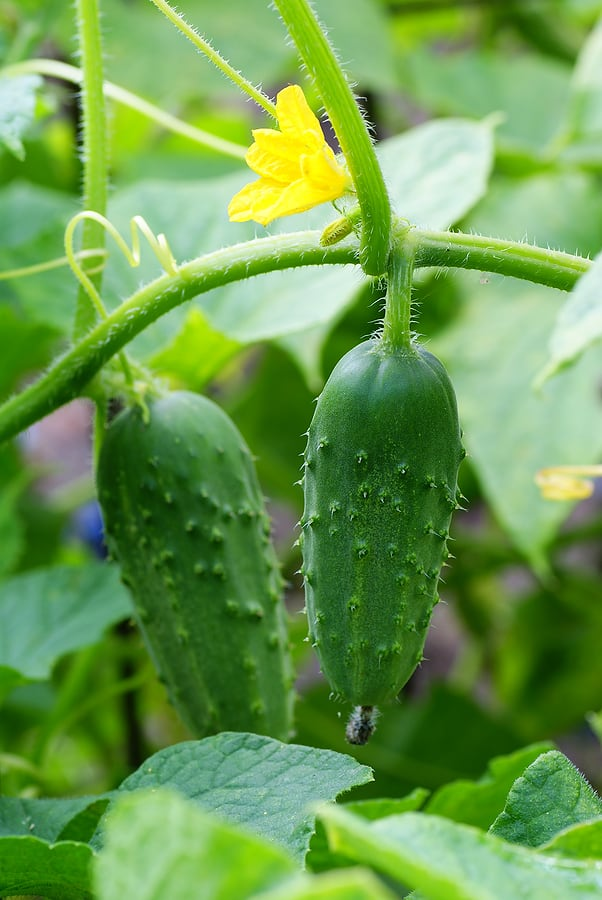
One of the most exciting stages is when bright yellow flowers appear.
Cucumber plants produce both male and female flowers. Male flowers appear first and produce pollen, while female flowers contain a tiny cucumber behind the flower.
Pollination is essential for fruit production.
Bees and other beneficial insects usually handle this naturally, but hand pollination may help if pollinator activity is low.
What Affects How Long Cucumbers Take to Grow?
Several environmental factors can speed up or slow down cucumber growth.
Temperature
Cucumbers grow best in warm weather. Cool temperatures slow growth significantly, while frost can kill young plants.
Sunlight
Provide 6–8 hours of direct sunlight every day. Plants growing in shade usually develop more slowly and produce fewer cucumbers.
Watering
Consistent watering encourages steady growth. Allowing the soil to become too dry or too wet can delay flowering and fruit production.
Soil Quality
Rich, well-draining soil with plenty of compost helps cucumber plants establish strong roots and grow more quickly.
Variety
Pickling cucumbers often mature earlier than large slicing varieties. Always check the seed packet for the expected number of days to maturity.
How to Help Cucumbers Grow Faster
If you’re wondering how long does it take for cucumbers to grow, the good news is that healthy plants often reach harvest sooner when they receive proper care from the beginning. Many gardeners asking how long does it take for cucumbers to grow discover that consistent watering, rich soil, and full sunlight can significantly improve growth speed.
Follow these simple tips to encourage faster growth:
Start with Healthy Seeds
Buy high-quality seeds from a trusted supplier. Healthy seeds usually germinate more evenly and produce stronger plants.
Plant After the Last Frost
Cucumbers are warm-season vegetables and dislike cold weather. Wait until the soil has warmed before planting outdoors.
Use Rich, Well-Draining Soil
Mix compost or well-rotted organic matter into the soil before planting. Healthy soil improves root development and supports steady growth throughout the season.
Water Consistently
Cucumber plants prefer evenly moist soil. Deep watering once or twice a week is usually better than frequent shallow watering. During very hot weather, plants may need additional watering.
Feed Plants Regularly
Apply a balanced vegetable fertilizer according to the product instructions. Once flowering begins, many gardeners switch to a fertilizer slightly higher in phosphorus and potassium to encourage fruit production.
Grow Vertically
Using a trellis improves air circulation, saves space, and keeps fruits cleaner. Vertical growth also makes harvesting easier.
Growing Cucumbers in Containers
Container gardening is an excellent option if you have limited outdoor space.
Choose a container that is:
- At least 12–18 inches deep
- Large enough for healthy root growth
- Equipped with drainage holes
- Filled with quality potting mix
Place containers where they receive full sunlight for most of the day.
Because containers dry out faster than garden soil, check moisture levels regularly during warm weather.
Common Problems That Slow Growth
Several issues can delay cucumber development.
Poor Pollination
If flowers appear but fruits fail to develop, poor pollination may be the cause.
Encourage pollinators by planting flowers nearby or carefully hand-pollinate female flowers using pollen from male flowers.
Overwatering
Excess water limits oxygen around the roots and increases the risk of root rot.
Water only when the top layer of soil begins to dry.
Underwatering
Dry soil stresses cucumber plants and often leads to slow growth, bitter fruit, or misshapen cucumbers.
Nutrient Deficiencies
Lack of nitrogen, phosphorus, or potassium can reduce vine growth and fruit production.
Regular feeding helps maintain vigorous plants throughout the growing season.
Pest Damage
Common cucumber pests include:
- Aphids
- Spider mites
- Cucumber beetles
- Whiteflies
Inspect plants weekly and treat infestations before they become severe.
Plant Diseases
Diseases can reduce plant vigor and delay harvest.
Watch for:
- Powdery mildew
- Downy mildew
- Bacterial wilt
- Root rot
Good air circulation and proper watering practices help reduce disease problems.
Signs Your Cucumbers Are Ready to Harvest
Knowing when to harvest is just as important as knowing how long does it take for cucumbers to grow.
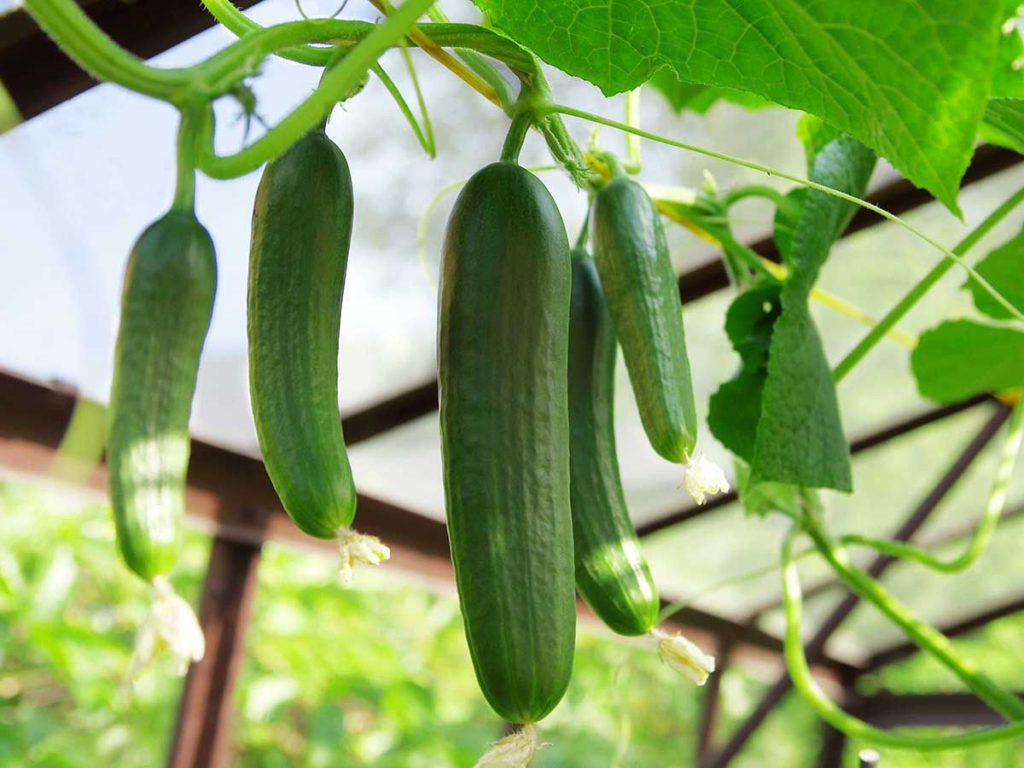
Harvest cucumbers when they:
- Reach the expected size for the variety
- Have smooth, firm skin
- Display an even green color
- Feel firm when gently squeezed
Avoid waiting too long.
Overripe cucumbers become large, yellow, tough, and may develop bitter flavor.
Regular harvesting also encourages plants to continue producing more fruit.
Mistakes That Slow Cucumber Growth
Many beginner gardeners unintentionally reduce cucumber production by making a few common mistakes.
Avoid these problems:
- Planting too early in cold soil
- Watering inconsistently
- Overcrowding plants
- Ignoring pests
- Allowing weeds to compete for nutrients
- Harvesting too late
- Using poor-quality soil
- Forgetting to fertilize during active growth
Correcting these simple mistakes can noticeably improve both growth speed and harvest quality.
Can Weather Affect Growth Time?
Absolutely, Weather plays a major role in determining how long does it take for cucumbers to grow.
Warm days, mild nights, and consistent sunshine encourage rapid development, while prolonged cool temperatures or heavy rainfall may slow growth.
Gardeners cannot control the weather, but they can reduce its impact by using mulch, watering properly, and protecting plants during unexpected cold spells.
Frequently Asked Questions
How long does it take for cucumbers to grow from seed?
Most cucumber varieties take 50 to 70 days from planting to produce harvest-ready fruit. Seed germination usually occurs within 3 to 10 days under warm conditions.
Can cucumbers grow faster?
Yes. Healthy soil, full sunlight, consistent watering, warm temperatures, and regular feeding can help cucumber plants grow more quickly and produce earlier harvests.
How much sunlight do cucumber plants need?
Cucumbers grow best with 6–8 hours of direct sunlight every day. More sunlight generally results in stronger vines and higher fruit production.
How often should I water cucumbers?
Most cucumber plants need about 1–2 inches of water per week, although they may require more during hot, dry weather. Water deeply to encourage strong root growth and keep the soil evenly moist.
Why are my cucumbers growing slowly?
Slow growth may be caused by cool temperatures, poor soil, inconsistent watering, nutrient deficiencies, pests, diseases, or insufficient sunlight. Identifying the cause early helps plants recover more quickly.
Quick Cucumber Growing Checklist
Before planting cucumbers, remember these simple steps:
- Choose a sunny location.
- Plant after the last frost.
- Use fertile, well-draining soil.
- Water consistently.
- Fertilize during active growth.
- Support vines with a trellis.
- Watch for pests and diseases.
- Harvest cucumbers regularly.
Following these habits will help your plants stay healthy and productive throughout the season.
Final Thoughts
If you’ve been asking how long does it take for cucumbers to grow, the answer depends on the variety and the care you provide. In most home gardens, cucumbers are ready to harvest within 50 to 70 days, making them one of the fastest and most rewarding vegetables to grow.
Providing warm temperatures, fertile soil, consistent watering, plenty of sunlight, and regular feeding gives cucumber plants the best chance to grow quickly and produce abundant fruit. Paying attention to pollination, preventing pests, and harvesting cucumbers at the right time will also improve overall yields.
With patience and proper care, even beginner gardeners can enjoy a steady supply of fresh, crisp cucumbers throughout the growing season. Now that you understand how long does it take for cucumbers to grow, you can confidently plan your garden and look forward to harvesting healthy, homegrown cucumbers.