

[1:18 PM, 8/13/2026] Khadija: Aloe vera is one of those plants that does not need a lot of water, which makes it a great choice for beginners. The most common mistake people make is watering it too often, because aloe vera stores water in its thick leaves. Knowing how often to water aloe vera plant can help keep the roots healthy and prevent problems like root rot.
In this guide, I’ll share how often you should water your aloe vera plant, how to tell when it actually needs water, and a few simple watering tips to help it grow healthy and strong.
Understanding how often to water aloe vera plant is essential for preventing common watering problems and encouraging healthy growth.
How Often Should You Water an Aloe Vera Plant?
Aloe vera usually needs watering only when the soil has dried out thoroughly. For many indoor plants, this may mean watering every few weeks, but the exact frequency depends on environmental conditions.
During warmer and brighter growing conditions, your aloe vera may use water more quickly. During cooler or darker periods, the soil can remain moist for much longer.
Rather than watering simply because a certain number of days have passed, check the soil several inches below the surface. If it still feels damp, wait before watering again.
This simple approach is one of the best ways to avoid overwatering. If you are wondering how often to water aloe vera plant, the best approach is to check the soil rather than follow a strict watering schedule.
Why Aloe Vera Does Not Need Frequent Watering
Aloe vera is a succulent plant, which means it has specialized tissues that store water.
Its thick leaves allow it to hold moisture for periods when water is unavailable. Because of this adaptation, aloe vera generally prefers a cycle of thorough watering followed by a period of drying.
Constantly moist soil can create conditions that are unfavorable for the roots.
This is why aloe vera care is very different from caring for plants that require consistently moist soil.
How to Tell When Your Aloe Vera Needs Water
The soil is usually the best place to start when deciding whether your aloe vera needs water.
Insert your finger into the soil and check several inches below the surface. If the soil feels dry, the plant may be ready for watering.
You can also lift the pot if you are familiar with its normal weight. A dry potting mix often feels noticeably lighter than a recently watered one.
The leaves can provide additional clues. Aloe vera leaves that are becoming thinner, softer, or slightly curled may indicate that the plant needs water.
However, do not rely on leaf appearance alone. Similar symptoms can sometimes occur because of root problems, temperature stress, or unsuitable light.
Check the Soil Before Watering
Checking the soil is one of the easiest ways to improve aloe vera care.
The surface may appear dry while moisture remains deeper in the pot. For this reason, do not make your watering decision based only on the top layer.
Use your finger or a moisture meter to check deeper into the pot.
If the soil remains damp, give it more time to dry.
If the soil is completely dry and the plant otherwise looks healthy, it is generally a better time to water thoroughly. Checking the soil is the easiest way to understand how often to water aloe vera plant.
How to Water an Aloe Vera Plant Properly
When your aloe vera does need water, avoid giving it only a tiny amount.
Water the soil thoroughly until excess water begins to flow through the drainage holes at the bottom of the container.
Allow the excess water to drain completely.
Do not allow the pot to sit in a saucer filled with water for a long period. Standing water can keep the roots too wet.
Thorough watering followed by proper drying is generally more suitable for aloe vera than frequent small amounts of water.
Watering Aloe Vera During the Growing Season
Aloe vera can use water more quickly when it is actively growing and receiving plenty of light.
During warmer conditions, check the soil regularly. However, checking more frequently does not necessarily mean watering more frequently.
The soil still needs to dry properly between waterings.
Factors such as indoor temperature, humidity, pot size, soil type, and sunlight can all affect how quickly the soil dries.
Watering Aloe Vera During Winter
Aloe vera often requires less water during cooler, darker periods.
Indoor plants may also experience slower growth when temperatures drop or when they receive less natural light.
Because the soil can remain wet for longer, it is particularly important to check it before watering.
Do not continue using the same watering routine throughout the year if the plant’s growing conditions have changed. During colder months, knowing how often to water aloe vera plant can help you avoid keeping the soil wet for too long.
How Often to Water Aloe Vera Indoors
Indoor aloe vera plants can have very different watering needs depending on their location. Knowing how often to water aloe vera plant indoors can help you maintain the right moisture level.
A plant sitting near a bright, sunny window may dry out faster than one placed in a cooler room with lower light.
Room temperature and humidity also influence how quickly moisture evaporates.
For this reason, there is no single watering schedule that works for every indoor aloe vera plant.
Check the soil regularly and water only when it has dried sufficiently. Learning how often to water aloe vera plant indoors can help prevent both underwatering and excessive moisture.
How Often to Water Aloe Vera Outdoors
Outdoor aloe vera may dry out faster than an indoor plant, especially during hot and sunny weather.
However, outdoor plants can also receive rain, which means you may not need to water them manually as often.
Before watering an outdoor aloe vera plant, check the soil and consider recent rainfall.
If the soil is already wet, additional water may do more harm than good. Checking the soil is the easiest way to determine how often to water aloe vera plant outdoors.
The Best Soil for Aloe Vera
Soil plays an important role in watering.
Aloe vera grows best in a well-draining growing medium that allows excess water to move away from the roots.
A cactus or succulent potting mix can be a convenient choice.
Avoid heavy garden soil in containers because it may hold too much moisture and reduce drainage.
The goal is to provide enough moisture for the plant while allowing the roots to dry between watering sessions.
Choose a Pot With Drainage Holes
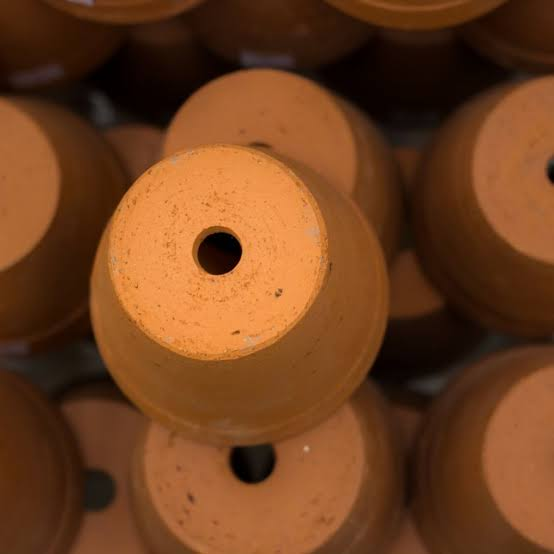
Even perfect watering habits cannot compensate for a container with poor drainage.
Choose a pot with drainage holes at the bottom so excess water can escape.
If you place the nursery pot inside a decorative outer container, check that water is not collecting at the bottom after watering.
Good drainage is especially important for aloe vera because prolonged wet soil increases the risk of root problems.
Does Pot Size Affect Watering?
Yes. Pot size can affect how quickly soil dries.
A very large pot may hold more soil and therefore retain moisture for a longer period. A small pot may dry more quickly.
Choose a container that is appropriate for the plant’s size and has good drainage.
Avoid placing a small aloe vera plant into an unnecessarily large container simply to reduce the need for repotting.
Does Sunlight Affect Watering?
Light has a significant effect on plant growth and water use.
Aloe vera generally prefers bright light, and a plant receiving more light may use water faster than one kept in a dim location.
However, increased light does not automatically mean you should water on a fixed schedule.
Always check the soil before adding more water.
If your aloe vera is struggling in low light, excessive watering can be particularly risky because the soil may dry very slowly.
Signs of Overwatering Aloe Vera
Overwatering is one of the most common problems with aloe vera.
Possible signs include:
- Soft or mushy leaves
- Yellowing leaves
- Brown or dark areas
- Leaves becoming weak or collapsing
- A persistently wet soil mix
- Unpleasant-smelling soil
- Root problems
These symptoms can have different causes, so consider the plant’s overall growing conditions before diagnosing the problem.
If the soil remains wet for an extended period, improving drainage and adjusting the watering routine may be necessary.
Signs of Underwatering Aloe Vera
Aloe vera can also become dehydrated.
Possible signs of underwatering include:
- Thin leaves
- Curled leaves
- Dry or shriveled foliage
- Leaves losing their normal firmness
- Very dry potting soil
If the soil is completely dry and the plant is showing signs of dehydration, give it a thorough watering and allow excess water to drain away.
Afterward, monitor the soil and adjust your routine rather than repeatedly adding small amounts of water.
Can You Water Aloe Vera From the Bottom?
Bottom watering can work for some potted plants, but aloe vera does not necessarily require this method.
The most important factor is ensuring that the entire root area receives appropriate moisture while excess water can drain away.
If using bottom watering, do not leave the pot sitting in water indefinitely. Allow the soil to absorb moisture and then remove the container from the water.
For many aloe vera plants, thorough watering from the top with good drainage is simpler.
Should You Mist Aloe Vera?
Aloe vera generally does not need regular misting.
Because it is adapted to relatively dry conditions, adding moisture to the leaves does not replace proper root watering.
Frequent moisture around the foliage can also be unnecessary in normal indoor conditions.
Focus on providing appropriate light, well-draining soil, and proper watering rather than relying on misting.
Best Time of Day to Water Aloe Vera
There is no need to follow an extremely strict watering time.
If the plant needs water, choose a practical time when you can water it thoroughly and allow excess moisture to drain.
The more important issue is not the exact hour but whether the soil is dry enough to justify watering.
Avoid watering automatically just because it is your usual gardening day.
How Water Quality Can Affect Aloe Vera

Aloe vera can generally tolerate normal household water, but water quality can vary.
If your tap water contains high levels of minerals, you may occasionally notice mineral deposits around the soil or pot.
If problems appear, some growers choose filtered or rainwater where appropriate and safe.
However, proper drainage and watering habits are usually more important than using a special type of water.
Common Aloe Vera Watering Mistakes
Following a fixed schedule without checking the soil can make it difficult to know how often to water aloe vera plant correctly.
Watering on a Fixed Schedule
Watering every few days without checking the soil can easily lead to excess moisture.
Giving Small Amounts Too Frequently
Frequent light watering can keep parts of the soil continually moist without providing the thorough wetting and drying cycle the plant prefers.
Using a Container Without Drainage
Excess water needs somewhere to go.
Ignoring Seasonal Changes
Aloe vera may need less water when growth slows and conditions become cooler or darker.
Watering Wet Soil
If the soil is still damp, adding more water can increase the risk of root problems.
Choosing Heavy Soil
Dense soil can hold moisture for too long and prevent proper drainage.
How to Create a Simple Aloe Vera Watering Routine
A simple routine can make aloe vera care much easier.
First, check the soil rather than automatically watering on a specific day.
Next, consider the plant’s light, temperature, pot size, and recent weather if it is growing outdoors.
If the soil is sufficiently dry, water thoroughly until excess water drains from the bottom.
Then allow the soil to dry again before watering.
This method is much more reliable than following a strict schedule because every growing environment is different.
Frequently Asked Questions About How Often to Water Aloe Vera Plant
How often should I water an aloe vera plant?
Water an aloe vera plant when its soil has dried thoroughly. The exact frequency varies depending on light, temperature, humidity, soil, pot size, and season.
Can aloe vera go a long time without water?
Yes. Aloe vera stores water in its leaves and can tolerate periods of dryness. However, it should not be intentionally neglected for extremely long periods.
How do I know if my aloe vera needs water?
Check the soil several inches below the surface. If it is completely dry and the leaves are becoming thinner or slightly curled, the plant may need water.
Should I water aloe vera when the soil is still damp?
No. It is generally better to wait until the soil has dried sufficiently before watering again.
Why are my aloe vera leaves turning yellow?
Yellow leaves can have several causes, but overwatering is a common possibility. Check the soil moisture, drainage, light, and overall plant condition.
Why are my aloe vera leaves soft?
Soft leaves can be associated with overwatering, root problems, or other environmental stress. Check whether the soil remains wet for long periods.
Does aloe vera need water in winter?
It may still need water, but usually less frequently when conditions are cooler or the plant is growing more slowly. Always check the soil first.
Can I mist my aloe vera plant?
Regular misting is generally unnecessary. Aloe vera is a succulent and benefits more from proper root watering, bright suitable light, and well-draining soil.
How often to water aloe vera plant in summer?
In summer, how often to water aloe vera plant depends on temperature, sunlight, humidity, soil, and pot size. Check the soil regularly and water only when it has dried sufficiently.
Final Thoughts
Taking care of an aloe vera plant is pretty simple once you understand its watering needs. The key is to let the soil dry out between waterings instead of watering it too often. Always check the soil first, as the watering schedule can change depending on the season, temperature, and where your plant is kept.
With the right amount of water, plenty of light, and well-draining soil, your aloe vera can stay healthy and grow beautifully for a long time.