

Spider plants are one of the easiest houseplants to grow, but proper watering is still important for keeping them healthy and looking their best. If you’re wondering how often to water a spider plant, the answer depends on factors like the season, temperature, humidity, pot size, and type of soil. Both overwatering and underwatering can cause problems such as yellow leaves, brown tips, or drooping foliage.
The good thing is that spider plants don’t need constant watering. They prefer to dry out slightly between waterings, making them a great choice for beginners. In this guide, we’ll explain how often to water spider plants, how to tell when they need water, and some simple watering tips to help your plant grow healthy and strong.
How Often to Water Spider Plant
For most indoor spider plants, watering approximately once every 1 to 2 weeks can be a useful starting point during the active growing season.
However, this is only a general guideline.
A plant growing in bright light may use water faster than one kept in a darker room. Similarly, a small pot can dry much faster than a large container.
When deciding how often to water spider plant, check the top 1 to 2 inches of soil.
If the soil feels dry, it is generally time to water. If it is still noticeably moist, wait and check again later.
How to Tell When a Spider Plant Needs Water
Your plant can give you several clues when it needs moisture.
Look for:
- Dry soil
- Drooping leaves
- Curling foliage
- Brown leaf tips
- Leaves that feel less firm than usual
- A noticeably lightweight pot
The best indicator is usually the soil rather than the leaves alone.
A spider plant can develop brown tips for several reasons, including dry air, inconsistent watering, mineral buildup, or fertilizer issues.
How Much Water Does a Spider Plant Need?
Instead of giving a small amount of water every few days, it is usually better to water thoroughly when the plant actually needs it.
Slowly add water until some excess drains from the bottom of the container.
Then empty the drainage tray so the pot does not sit in standing water.
This helps moisten the root zone while allowing excess water to escape.
How Often to Water Spider Plant in Summer
During summer, indoor temperatures and brighter light can increase evaporation.
As a result, your spider plant may need water more frequently than it does during winter.
Check the soil every several days rather than automatically watering on a fixed schedule.
If the top layer dries quickly, the plant may need watering more often.
Plants near sunny windows may also dry faster than those kept in lower-light locations.
How Often to Water Spider Plant in Winter
Spider plants often need less water during winter because growth slows and indoor evaporation may decrease.
Cold weather, shorter days, and reduced light can all affect water consumption.
Allow the soil to dry somewhat between waterings and avoid keeping it constantly wet.
If your home is warm and dry because of indoor heating, however, the plant may still need occasional watering.
Always check the soil before deciding how often to water spider plant during winter.
How Often to Water Spider Plant in a Hanging Basket
Spider plants are commonly grown in hanging baskets because their leaves naturally cascade over the sides.
Hanging baskets can dry faster than some larger floor containers, especially when exposed to warm air or bright light.
Check the soil regularly.
Because hanging containers can be difficult to inspect, lift the basket occasionally to judge its weight.
A noticeably lighter basket often indicates that the growing medium has dried considerably.
How Often to Water Spider Plant After Repotting
A newly repotted spider plant should not automatically be placed on the same watering schedule as before.
If you used fresh, moist potting mix during repotting, additional water may not be necessary immediately.
After repotting, monitor the soil and allow excess moisture to drain properly.
A larger pot can also retain moisture for longer than the previous container.
This is another reason why how often to water spider plant can change after repotting.
Does Spider Plant Need a Drainage Hole?
Yes, drainage is extremely helpful.
A container with drainage holes allows excess water to escape.
Without drainage, water can accumulate around the roots and create overly wet conditions.
Choose a pot with adequate drainage and use a well-draining indoor potting mix.
If your decorative planter does not have a drainage hole, consider using a nursery pot with drainage inside it.
Best Soil for Spider Plant Watering
Spider plants generally perform well in a light, well-draining potting mix.
The growing medium should retain some moisture while allowing excess water to escape.
Avoid extremely dense soil that stays wet for long periods.
Good drainage is particularly important if you tend to water frequently.
How to Water a Spider Plant Correctly
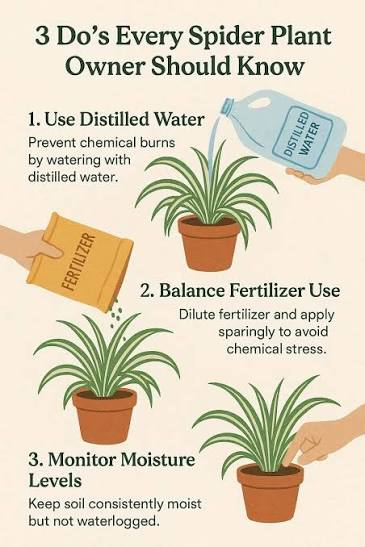
Follow these simple steps:
Step 1: Check the Soil
Insert your finger about 1 to 2 inches into the soil.
Step 2: Check the Plant
Look for signs of wilting, curling, or unusually dry foliage.
Step 3: Water Thoroughly
Slowly water around the soil surface rather than pouring everything into one spot.
Step 4: Allow Drainage
Wait for excess water to leave through the drainage holes.
Step 5: Empty the Tray
Do not leave the plant sitting in standing water.
Step 6: Wait Before Watering Again
Allow the soil to dry appropriately before the next watering.
Signs of Overwatering a Spider Plant
Overwatering is one of the most common problems with indoor spider plants.
Possible signs include:
- Yellowing leaves
- Soft or weak foliage
- Constantly wet soil
- Unpleasant-smelling soil
- Root problems
- Leaves becoming mushy
- Sudden decline despite wet soil
If the soil remains wet for an extended period, check the drainage and root condition.
Do not solve an overwatering problem by adding more water.
Signs of Underwatering a Spider Plant
A spider plant that stays too dry may show:
- Drooping leaves
- Curling leaves
- Brown leaf tips
- Dry soil
- Slow growth
- Dry or crispy foliage
If the soil is extremely dry and pulling away from the sides of the pot, water thoroughly and allow the excess to drain.
Avoid repeatedly giving only a few drops of water.
Why Does My Spider Plant Have Brown Tips?
Brown tips are extremely common on spider plants.
They can be caused by several factors, including:
- Inconsistent watering
- Dry indoor air
- Fluoride or mineral buildup in water
- Excess fertilizer
- Too much direct sunlight
- Root stress
Brown tips do not always mean the plant needs more water.
Check the soil, light, humidity, and water quality before changing your watering routine.
Can Tap Water Affect Spider Plants?
Some spider plants can be sensitive to minerals or chemicals present in tap water.
If your plant repeatedly develops brown tips despite appropriate care, water quality may be one factor worth considering.
Depending on your local water supply, filtered water, rainwater, or another suitable water source may help.
Do not make a major change based on brown tips alone, though. Consider the entire growing environment.
Does Humidity Affect Spider Plant Watering?
Yes.
Indoor air can become particularly dry during winter when heating systems are running.
Low humidity can increase moisture loss from foliage, although it does not necessarily mean the soil needs to remain wet.
You can improve indoor humidity by:
- Grouping plants together
- Using a humidifier
- Keeping plants away from very dry heat sources
- Monitoring room conditions
Avoid placing the plant directly against a hot radiator or heater.
Does Light Change Spider Plant Watering Needs?

Definitely.
A spider plant kept in bright indirect light may use water faster than one kept in a dim corner.
Very strong direct sunlight can also increase heat and moisture loss.
Spider plants generally appreciate bright, indirect light.
If your plant is receiving significantly more light after being moved, check the soil more frequently until you understand its new watering needs.
Common Spider Plant Watering Mistakes
Watering on a Fixed Schedule
Watering every Sunday, for example, may work temporarily but does not account for changing conditions.
Giving Tiny Amounts of Water
Small amounts may not properly moisten the root zone.
Keeping the Soil Permanently Wet
Spider plants need moisture, but their roots also need oxygen.
Ignoring Drainage
A pot without proper drainage can create serious root problems.
Watering Without Checking the Soil
Always inspect the soil before adding more water.
Overreacting to Brown Tips
Brown tips can have several causes and do not automatically mean the plant is thirsty.
A Simple Spider Plant Watering Routine
For beginners, use this simple routine:
Every few days: Check the soil.
When the top 1–2 inches feel dry: Consider watering.
During watering: Moisten the soil thoroughly.
After watering: Allow excess water to drain.
Before the next watering: Check the soil again.
Adjust the frequency according to season, temperature, humidity, light, and pot size.
Spider Plant Watering Guide by Growing Condition
| Growing Condition | Watering Consideration |
|---|---|
| Bright indirect light | May need more frequent checks |
| Low light | Soil may remain moist longer |
| Small container | Can dry faster |
| Large container | Usually retains moisture longer |
| Summer | Often requires more frequent monitoring |
| Winter | Usually needs less frequent watering |
| Hanging basket | May dry faster |
| High humidity | Soil may dry more slowly |
| Dry indoor air | Check moisture more often |
These are general guidelines rather than strict schedules.
Frequently Asked Questions About How Often to Water Spider Plant
How often should I water a spider plant?
Many indoor spider plants can be watered approximately once every 1 to 2 weeks, but the exact frequency depends on light, temperature, humidity, pot size, and soil. Check the soil before watering.
Can I water my spider plant every week?
You can if the soil has dried enough by then. If the soil is still moist, wait longer.
Should I water a spider plant from the top or bottom?
Both methods can work. The important thing is to thoroughly moisten the root zone and allow excess water to drain.
Why is my spider plant turning brown?
Brown tips may result from inconsistent moisture, dry air, mineral buildup, fertilizer issues, or environmental stress.
How do I know if my spider plant is overwatered?
Constantly wet soil, yellowing leaves, soft foliage, and root problems can indicate overwatering.
Do spider plants need less water in winter?
Usually, yes. Indoor growth often slows during winter, so the soil may take longer to dry.
How often should I water a spider plant in summer?
Check the soil more frequently during summer. Bright light, warm temperatures, and dry air can cause the plant to use water faster.
Can spider plants survive without water?
Spider plants can tolerate some dryness, but prolonged lack of water can cause severe wilting, brown foliage, and stress.
Should spider plant soil dry out completely?
It is generally better to allow the upper layer of soil to dry between waterings rather than keeping the soil constantly wet. Avoid letting the entire root ball remain bone dry for extended periods.
Do spider plants like humidity?
They can appreciate moderate humidity, although they can adapt to typical indoor conditions.
Final Thoughts
Knowing how often to water a spider plant can help you avoid many common problems and keep your plant healthy. The best approach is to check the soil before watering and only add water when the top layer feels dry. Avoid letting the plant sit in excess water, as this can lead to root problems.
With the right watering routine, enough indirect light, and well-draining soil, spider plants are easy to care for and can stay healthy for years. Pay attention to your plant’s leaves and soil, and adjust your watering routine as the seasons and growing conditions change.