

Growing tomatoes at home can be easy and rewarding, but knowing how often to water tomato plants is one of the most important parts of keeping them healthy. Tomatoes need consistent moisture to grow strong roots, healthy leaves, and juicy fruits. However, giving them too much or too little water can cause problems such as yellow leaves, wilting, blossom end rot, or cracked tomatoes.
The right watering schedule depends on several factors, including the weather, soil type, plant size, and whether your tomatoes are growing in a garden bed or a container. In hot and dry weather, tomato plants may need water more often, while cooler or rainy conditions may require less. In this guide, we’ll explain how often to water tomato plants and share simple tips to help you keep your plants healthy and productive throughout the growing season.
How Often to Water Tomato Plants
For many garden-grown tomato plants, watering deeply 2 to 3 times per week can be a useful starting point during normal growing conditions.
However, this is not a universal schedule.
A tomato plant growing in sandy soil during a hot summer may need water more frequently, while a plant growing in moisture-retentive soil may need less.
When deciding how often to water tomato plants, consider:
- Temperature
- Rainfall
- Soil type
- Plant size
- Container size
- Amount of sunlight
- Wind exposure
- Humidity
- Stage of fruit development
Instead of watering automatically, check the soil before adding more water.
How Much Water Do Tomato Plants Need?
Tomatoes generally perform best when they receive consistent moisture rather than repeatedly going from very dry soil to extremely wet soil.
A common guideline is around 1 to 1.5 inches of water per week for established plants, including rainfall.
Young plants may need less total water, while large plants producing lots of fruit may use considerably more during hot weather.
The goal is to moisten the root zone thoroughly without leaving the soil permanently saturated.
The Best Way to Check Soil Moisture
One of the easiest ways to decide how often to water tomato plants is to check the soil.
Insert your finger about 1 to 2 inches into the soil near the plant.
If the soil feels dry, it may be time to water.
If it still feels moist, wait and check again later.
For larger gardens, a moisture meter can provide another indication of soil moisture, although observing the soil and plants is still important.
Avoid checking only the surface because the top layer can dry quickly while deeper soil remains moist.
Watering Tomato Seedlings
Tomato seedlings have smaller root systems than mature plants.
They therefore need more careful monitoring.
Newly planted seedlings may require more frequent, smaller amounts of water while they establish roots, particularly during warm or dry weather.
Keep the surrounding soil reasonably moist but avoid creating muddy conditions.
As the plants become established, encourage deeper root growth by watering thoroughly rather than giving tiny amounts several times every day.
How Often to Water Tomato Plants in Containers
Container tomatoes often require more frequent watering than tomatoes planted directly in the ground.
Pots have a limited amount of soil, and the exposed sides of containers can warm and dry the growing medium quickly.
During hot summer weather, container-grown tomatoes may need watering daily or every other day, depending on container size, weather, plant size, and soil.
Small containers can dry especially quickly.
Large containers generally hold moisture longer.
Always check the soil before watering rather than automatically following a daily schedule.
How Often to Water Tomato Plants in a Raised Bed
Raised beds usually drain better than many traditional garden beds, which can be beneficial for tomatoes.
However, improved drainage can also mean the soil dries faster.
During mild weather, watering a few times per week may be enough.
During extreme heat, you may need to water more frequently.
Use your finger to check moisture near the root zone and adjust the schedule accordingly.
How Often to Water Tomato Plants in Hot Weather
Hot weather can dramatically increase water loss from both soil and leaves.
When temperatures rise, check tomato plants more frequently.
Plants growing in full sun, especially in hot areas of the southern and southwestern United States, may require more water than plants growing in cooler regions.
During a heat wave, check the soil early in the morning and again later in the day if necessary.
Do not automatically double the amount of water every time temperatures rise. Instead, observe how quickly the soil is drying.
How Often to Water Tomato Plants in Rainy Weather
Rain can provide some or all of the water your tomato plants need.
After a significant rainfall, check the soil before watering.
If the soil is already moist several inches below the surface, additional irrigation may be unnecessary.
Heavy rain can also create overly wet conditions, especially in poorly drained soil.
Good drainage is therefore just as important as adequate watering.
Morning Is Usually the Best Time to Water
For outdoor tomato plants, early morning is generally an excellent time to water.
Morning watering gives moisture time to reach the root zone before the heat of the day becomes intense.
It also helps avoid keeping foliage wet overnight.
If possible, water the soil around the base of the plant rather than spraying the leaves.
Should You Water Tomato Plants at Night?
It is better to avoid routinely soaking tomato foliage late at night.
Wet leaves that remain damp for extended periods can create conditions favorable to certain fungal and bacterial diseases.
If evening is the only time you can water, focus the water directly on the soil around the roots and avoid wetting the foliage.
The most important goal is healthy root-zone moisture.
Water Deeply Instead of Lightly
One of the most common tomato watering mistakes is giving plants a tiny amount of water every day.
Frequent shallow watering can encourage roots to remain close to the soil surface.
Deep watering encourages moisture to reach a larger portion of the root zone.
When the soil is dry enough to require watering, apply water slowly so it can soak into the ground instead of running away.
How to Water Tomato Plants Properly
Follow these simple steps:
Step 1: Check the Soil
Feel the soil a couple of inches below the surface.
Step 2: Water the Root Zone
Direct water toward the soil around the base of the plant.
Step 3: Water Slowly
Give the soil time to absorb the moisture.
Step 4: Avoid Wetting the Foliage
Keep leaves as dry as practical.
Step 5: Check Drainage
Make sure excess water can escape.
Step 6: Recheck Before the Next Watering
Do not water simply because a certain number of days has passed.
Signs Tomato Plants Need More Water
Your tomato plants can show several signs when they are experiencing water stress.
Possible symptoms include:
- Drooping leaves
- Dry or cracked soil
- Wilting during hot weather
- Curling leaves
- Slow growth
- Small or poorly developing fruit
- Dry leaf edges
A wilted plant does not always mean it needs more water.
Tomatoes can temporarily wilt during extreme afternoon heat even when soil moisture is adequate.
Always check the soil before increasing watering.
Signs You Are Overwatering Tomato Plants
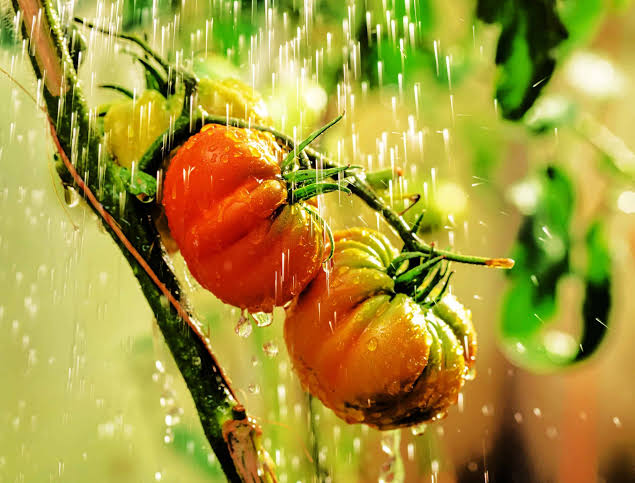
Too much water can be just as problematic as too little.
Potential signs of excessive watering include:
- Yellowing leaves
- Soft or weak growth
- Constantly wet soil
- Poor root health
- Root rot
- Fungal or bacterial disease problems
- Cracked fruit in some situations
If the soil remains saturated for long periods, improve drainage and allow the growing medium to dry appropriately before watering again.
Why Consistent Watering Matters During Fruit Development
Once tomato plants begin producing fruit, consistent moisture becomes particularly important.
Large fluctuations between very dry and very wet soil can contribute to problems such as fruit cracking and blossom-end rot.
Blossom-end rot is commonly associated with calcium availability and inconsistent water movement within the plant, which can be influenced by irregular soil moisture.
Maintaining more consistent moisture is therefore an important part of tomato care.
Does Mulch Help Tomato Plants?
Yes.
A layer of organic mulch around tomato plants can help reduce evaporation and keep soil moisture more stable.
Useful mulch materials can include:
- Straw
- Shredded leaves
- Compost
- Grass clippings that are suitable for garden use
- Other appropriate organic mulch
Leave some space between mulch and the plant stem.
Mulch is especially helpful during hot summer weather because it reduces the rate at which water evaporates from the soil.
Soil Type Changes Watering Frequency
Not every garden soil holds water in the same way.
Sandy Soil
Sandy soil drains quickly and may require more frequent watering.
Clay Soil
Clay can hold water for longer but may drain poorly if compacted.
Loamy Soil
Well-structured loam can provide a useful balance between moisture retention and drainage.
Container Mix
Potting mix can dry faster than garden soil, especially in small containers exposed to summer heat.
Understanding your soil type makes it much easier to decide how often to water tomato plants.
How Often to Water Tomato Plants During Different Growth Stages
Tomatoes do not have identical water requirements throughout the growing season.
After Transplanting
New transplants need careful attention while roots establish.
Vegetative Growth
As plants become larger, their water requirements generally increase.
Flowering
Adequate moisture supports healthy plant development during flowering.
Fruit Development
Consistent moisture becomes especially important as fruits enlarge.
Late Season
Watering requirements depend on weather, plant health, fruit production, and whether you are still trying to maintain the plant.
How Often to Water Tomato Plants in Different Containers
Container size matters considerably.
| Container Size | General Watering Consideration |
|---|---|
| Small pot | May dry very quickly |
| Medium container | Moderate moisture retention |
| Large container | Usually holds moisture longer |
| Grow bag | Can dry quickly in hot weather |
| Raised planter | Depends on depth and soil volume |
Never use container size alone to determine your watering schedule. Check the soil and weather as well.
Drip Irrigation for Tomato Plants
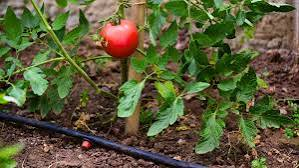
Drip irrigation can be an excellent option for gardeners who want consistent watering.
It delivers water slowly near the root zone and can reduce unnecessary wetting of leaves.
A timer can make irrigation easier, but do not set a watering schedule and forget about it.
Rainfall and changing temperatures can make a fixed irrigation schedule unsuitable.
Adjust the system according to soil moisture and weather.
Watering Tomato Plants While on Vacation
If you are away for several days, tomato plants may need additional protection from drying out.
Possible solutions include:
- Drip irrigation
- Soaker hoses
- Timed irrigation systems
- A trusted person checking the garden
- Mulching the soil
Container tomatoes usually need more attention than established plants growing in the ground.
Test any automatic watering system before leaving to make sure it is working correctly.
Common Tomato Watering Mistakes
Watering Every Day Without Checking the Soil
A calendar does not know whether your soil is already wet.
Giving Only a Small Amount of Water
Light watering may not reach the deeper root zone.
Ignoring Rainfall
Always consider natural rainfall when deciding whether irrigation is necessary.
Watering the Leaves Frequently
Wet foliage can increase disease risk in some conditions.
Using Containers That Are Too Small
Small pots dry out quickly and can make watering difficult.
Forgetting About Drainage
Tomatoes need moisture, but their roots also need access to oxygen.
A Simple Weekly Tomato Watering Routine
If you are a beginner, use this routine as a starting point:
Monday: Check soil moisture.
Tuesday: Water if the root zone is becoming dry.
Wednesday: Check plants during hot weather.
Thursday: Check soil again.
Friday: Water if necessary.
Weekend: Consider rainfall, temperature, and plant size before watering.
This is not a strict schedule. It is simply a reminder to inspect your plants regularly.
Frequently Asked Questions About How Often to Water Tomato Plants
How often should I water tomato plants?
Established tomato plants often need around 1 to 1.5 inches of water per week, including rainfall. Depending on conditions, this may mean watering deeply two or three times per week or more frequently during extreme heat.
Should I water tomato plants every day?
Usually, established garden tomatoes do not need daily watering under normal conditions. However, container tomatoes and plants experiencing extreme heat may need daily watering.
Is it better to water tomatoes in the morning or evening?
Morning is generally preferable because it gives water time to reach the root zone and helps minimize prolonged leaf wetness.
How do I know if my tomato plant needs water?
Check the soil a couple of inches below the surface. If it is dry and the plant is showing signs of water stress, it may be time to water.
Can tomato plants get too much water?
Yes. Constantly wet soil can damage roots and contribute to disease problems.
How much water do tomato plants need per week?
A common guideline is approximately 1 to 1.5 inches per week, including rainfall. Actual requirements vary with weather, soil, plant size, and growing conditions.
Do tomatoes need more water when fruiting?
They need consistent moisture during fruit development. Large fluctuations between dry and wet conditions can contribute to fruit-quality problems.
How often should I water tomato plants in containers?
Container tomatoes may need watering every day or every other day during hot weather, while cooler conditions may require less frequent watering. Always check the soil first.
Should I water tomatoes after rain?
Only if the soil has become dry again. Significant rainfall may provide enough moisture for several days.
Why are my tomato leaves wilting even after watering?
Wilting can result from heat stress, root problems, disease, underwatering, or other issues. Check the soil moisture and inspect the plant rather than assuming it simply needs more water.
Does mulch reduce how often tomatoes need water?
Yes. Mulch can reduce evaporation and help soil retain moisture, which may reduce how frequently irrigation is necessary.
Final Thoughts
Knowing how often to water tomato plants can make a big difference in their growth and fruit production. The key is to keep the soil consistently moist without making it soggy. Always check the soil before watering, and adjust your routine according to the weather, soil, and size of your plants.
With regular watering and a little attention, your tomato plants can stay healthy and produce plenty of fresh, delicious tomatoes. Instead of following a strict schedule, focus on what your plants and soil are telling you, especially during hot summer days.