

Growing an onion from an onion bulb is a simple and interesting way to start your own little vegetable garden at home. You don’t always need seeds to grow onions, and with a healthy onion bulb, some good soil, sunlight, and regular watering, you can get new growth with very little effort.
What makes this method so easy is that onions don’t need a lot of space or complicated care. You can grow them in a garden bed, pot, or container, making them a good option even if you have a small outdoor space. Watching the roots develop and new green shoots appear is also a fun part of the process.
In this guide, I’ll explain how to grow an onion from an onion bulb step by step, including how to plant it, how much sunlight and water it needs, and when it is ready to harvest. With a little patience and proper care, you can turn a simple onion bulb into a healthy growing plant.
Can You Grow an Onion From an Onion Bulb?
Yes, you can use an onion bulb to grow new onion plants, but there is an important distinction.
A mature grocery-store onion can often sprout green shoots when planted or placed in suitable growing conditions. However, simply planting a whole mature onion does not always produce another large onion identical to the original.
When learning how to grow an onion from an onion bulb, it is important to understand that growing green onion tops is easier than producing a completely new mature bulb. The results depend on the onion variety, growing conditions, sunlight, soil, and available nutrients.
The most reliable approach is to use the root end of an onion as a starting point. The root section contains the basal plate, where roots and new shoots can develop.
If your goal is to grow fresh green leaves, regrowing an onion is relatively easy. If your goal is to produce a completely new mature bulb, you will need the right variety, sufficient growing time, sunlight, nutrients, and suitable environmental conditions.
What You Need to Grow an Onion From a Bulb
Before starting, gather a few basic supplies:
- A healthy onion
- A clean knife
- A container or garden bed
- Well-draining soil
- Compost or organic matter
- Water
- A sunny location
- Gardening scissors or a small knife
Choose an onion that is firm and healthy. Avoid onions that are severely rotten or covered with mold.
1. Choose a Healthy Onion
Start with a healthy onion bulb. It can be a yellow, white, or red onion, depending on what you have available.
Look for an onion with a firm body and a healthy root end. If the onion has already started sprouting, that can be useful because visible green growth shows that it is still capable of producing new shoots.
Avoid bulbs that are soft, leaking, or badly damaged.
2. Cut Off the Root End
Place the onion on a clean cutting surface.
Cut off the bottom section of the onion where the roots emerge. Leave enough of the basal plate attached to the piece. You do not need to use the entire onion.
A section roughly one to two inches thick can provide a useful starting point, although the exact size is not critical as long as the basal plate and root area remain intact.
You can use the remaining onion for cooking.
This is one of the most important steps when learning how to grow an onion from an onion bulb because the basal plate is where new roots and shoots can develop.
3. Let the Cut Surface Dry
After cutting, allow the onion section to sit in a dry location for a short period so the cut surface can dry slightly.
This can help reduce excessive moisture around the freshly cut tissue when it is planted.
Do not leave it exposed for an unnecessarily long time. The goal is simply to allow the cut surface to become less wet before planting.
4. Prepare the Soil
Good soil is essential when learning how to grow an onion from an onion bulb.
Choose loose, fertile, well-draining soil. Onions do not perform well in soil that stays constantly waterlogged.
Mixing mature compost into the soil can improve its structure and provide nutrients. If you are using a container, select a quality vegetable potting mix.
The soil should be loose enough that the onion roots can expand without resistance.
5. Plant the Onion Root Section
Place the onion root section in the soil with the root or basal plate facing downward.
Cover it lightly with soil. Avoid burying the entire piece deeply because the developing shoots need access to light and air.
A shallow planting depth is generally better than placing the entire onion section far beneath the soil.
After planting, gently water the area. If you are following a guide on how to grow an onion from an onion bulb, remember that shallow planting is important for healthy new growth.
6. Give the Onion Plenty of Sunlight
One of the most important parts of learning how to grow an onion from an onion bulb is providing enough sunlight. Onions need plenty of light for healthy growth.
Choose a location that receives several hours of direct sunlight each day. A sunny garden bed, patio container, or suitable outdoor growing area can work well.
Insufficient light can result in weak, thin growth.
If you are growing onions indoors, place the container near a bright window. If natural light is limited, supplemental grow lighting may help.
7. Water Carefully
One of the most important parts of growing onions is finding the right balance with water.
Keep the soil moderately moist while the plant establishes. However, avoid keeping it constantly soaked.
Overwatering can create poor growing conditions around the roots and may encourage rot.
Check the soil with your finger. If the upper layer feels dry, water thoroughly and allow excess water to drain away.
Container-grown onions may need more frequent watering because containers can dry out faster than garden beds.
8. Watch for New Green Growth
After planting, look for new shoots emerging from the center of the onion section.
The time required for new growth can vary depending on the onion, temperature, sunlight, and overall growing conditions.
Once green leaves begin appearing, continue providing sunlight and moderate moisture.
Avoid pulling the plant up simply because you see a few leaves. The developing roots need time to become established.
9. Feed the Plant When Needed
Onions grow best in fertile soil, but they do not necessarily need heavy feeding.
If your soil contains plenty of compost and organic matter, additional fertilizer may not be necessary at first.
If growth becomes weak or slow, a balanced vegetable fertilizer can provide nutrients. Always follow the product label and avoid excessive fertilizer.
Too much fertilizer can cause unnecessary problems and may encourage leafy growth without producing the result you want.
10. Decide Whether You Want Green Onions or a Mature Bulb
This is an important step.
If you want green onion tops, you can harvest the leaves once they have grown to a useful size. Cut the green portion with clean scissors while leaving the lower section intact if you want to encourage additional growth.
If your goal is to produce a mature onion bulb, you need to give the plant much more time and the right growing conditions.
A grocery-store onion may not reliably produce another large bulb because bulb formation depends on factors such as variety, day length, temperature, and growing conditions.
For serious bulb production, it is usually better to grow an onion variety specifically selected for your region.
11. Harvest at the Right Time
Harvest timing depends on what you are growing.
For green onions, you can harvest young leaves when they are large enough for cooking.
For mature onions, wait until the bulb has developed and the leaves naturally begin to yellow, weaken, and fall over. Knowing when to harvest is the final step when you learn how to grow an onion from an onion bulb. Green leaves can be harvested earlier, while mature bulbs need more time to develop.
Once mature onions are harvested, allow them to cure in a dry, well-ventilated location before long-term storage.
Proper curing helps the outer skin become dry and protective.
How to Grow an Onion From an Onion Bulb in Water
Another popular method is starting an onion in water.
Place the onion root section in a shallow container with enough water to touch the roots or lower portion. Avoid completely submerging the onion because excessive moisture around the bulb can encourage rot.
Place the container near a bright window. If you are learning how to grow an onion from an onion bulb without soil, the water method is an easy way to observe new roots and green shoots.
Fresh green shoots may develop from the center. Change the water regularly to keep it clean.
This method is useful for observing root and leaf growth, but water alone does not provide all the nutrients required for long-term development.
For continued growth, transfer the rooted onion into nutrient-rich soil.
Growing Onions in Containers
You can easily grow onions in containers if you do not have a large garden. For beginners, learning how to grow an onion from an onion bulb in a container is a convenient option because you can easily control the soil, water, and sunlight.
Choose a container with drainage holes. Fill it with quality potting mix and plant the onion root section shallowly.
A wider container is useful if you want to grow several onions. Avoid overcrowding because each plant needs enough room for healthy root and bulb development.
Place the container in a sunny location and monitor soil moisture regularly.
Container gardening is particularly convenient because you can move plants when necessary and keep them close to your kitchen.
Common Problems When Growing Onions
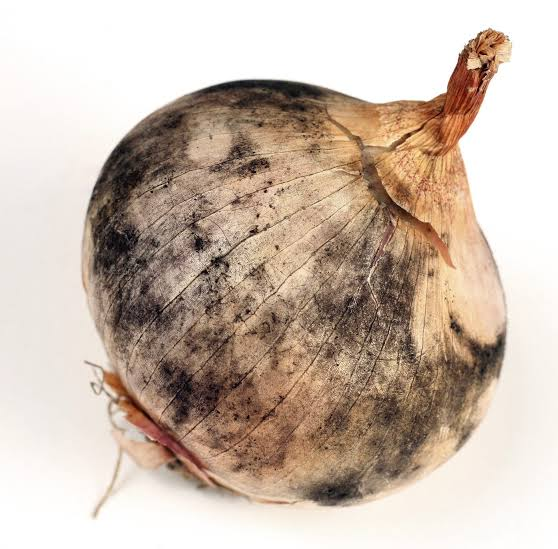
Knowing the common problems can make it much easier to grow an onion from an onion bulb successfully. Most problems can be prevented with proper watering, good drainage, enough sunlight, and healthy soil.
Even though onions are relatively easy to grow, beginners can encounter a few problems.
Onion Rot
Rot is often associated with excessive moisture and poor drainage.
Make sure your soil drains well and avoid watering when the soil is already wet.
Yellow Leaves
Some yellowing can occur naturally as mature onions approach harvest. However, early yellowing may also indicate watering problems, nutrient issues, pests, or disease.
Check the soil and inspect the plant carefully before deciding what action to take.
Small Bulbs
If your onions produce small bulbs, several factors may be responsible.
Insufficient sunlight, unsuitable varieties, overcrowding, poor soil, and incorrect planting timing can all affect bulb development.
For larger bulbs, select a variety suited to your local growing conditions and give plants sufficient space.
Weak Green Growth
Thin or weak leaves can be caused by inadequate sunlight or poor growing conditions.
Move container plants to a brighter location and make sure the soil remains fertile and well-draining.
How to Get Better Results
Once you understand how to grow an onion from an onion bulb, a few simple gardening practices can help you get healthier growth and better results. If you want to improve your results when learning how to grow an onion from an onion bulb, keep these tips in mind:
- Start with a healthy onion.
- Keep the basal plate attached to the root section.
- Use loose, fertile soil.
- Provide plenty of sunlight.
- Avoid excessive watering.
- Use containers with drainage holes.
- Give individual plants enough space.
- Add compost to improve soil quality.
- Watch for pests and signs of rot.
- Harvest green leaves when they are young and tender.
- For mature bulbs, use an onion variety suited to your region.
Can You Regrow an Onion More Than Once?
An onion root section may produce new green growth after harvesting, particularly when the roots and basal plate remain healthy.
However, repeated regrowth may become weaker over time. The plant eventually needs sufficient nutrients and energy to maintain healthy development.
If you want a continuous supply of green onions, planting new onion pieces or growing onions from seeds or sets at intervals can be more reliable.
How Long Does It Take to Grow an Onion From an Onion Bulb?
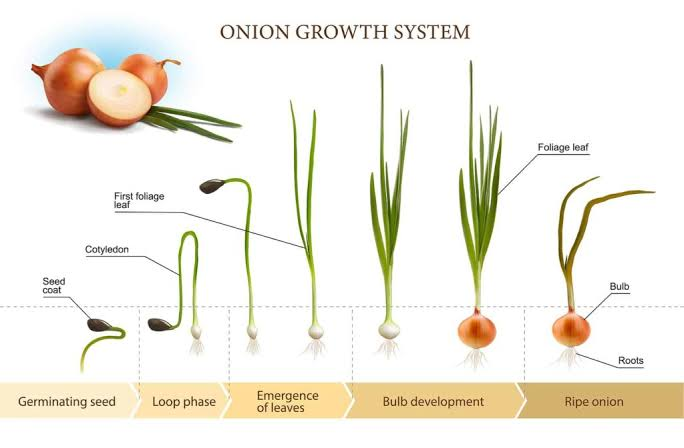
The answer depends on what you want to harvest.
Green shoots can appear relatively quickly when conditions are favorable. You may be able to harvest young green leaves within weeks.
Growing a mature bulb takes considerably longer and depends on the onion variety, planting time, temperature, daylight hours, soil, and care.
For this reason, growing an onion from a kitchen onion is best viewed as an easy experiment for regrowing greens rather than a guaranteed method for producing a large replacement bulb.
Frequently Asked Questions
Can I plant a whole onion bulb?
You can plant a whole onion, especially if it has started sprouting, but it may not produce another large bulb. Using the root or basal section is a common way to encourage new shoots.
Can I grow an onion from an onion bought at the grocery store?
Yes, you can try growing new green shoots from a grocery-store onion. Results vary, especially when trying to produce a new mature bulb.
How deep should I plant an onion root?
Plant the root section shallowly so the basal plate is in contact with the soil while the developing shoots remain close to the surface.
Does an onion need full sun?
Onions generally perform best with plenty of sunlight. A bright location with several hours of direct sun can support stronger growth.
Can onions grow indoors?
Yes. Green onions can grow indoors in containers near a bright window. Indoor plants may grow more slowly if they do not receive enough light.
Why is my onion turning soft?
A soft onion section may be suffering from excessive moisture or rot. Improve drainage, reduce watering, and remove severely damaged plant material.
Can I grow green onions from onion scraps?
Yes. The root end of an onion can produce fresh green growth when placed in water or planted in soil.
Is It Easy to Grow an Onion From an Onion Bulb?
Yes, learning how to grow an onion from an onion bulb is relatively easy for beginners. The most important things are healthy planting material, good drainage, sunlight, proper watering, and patience.
Final Thoughts
Growing an onion from an onion bulb is one of those simple gardening projects that doesn’t require much experience or special equipment. With the right soil, enough sunlight, and regular watering, you can give the bulb a good start and watch it slowly develop into a healthy plant.
The process does require a little patience, especially if you want the onion to grow into a larger bulb. Paying attention to watering and making sure the soil drains well can help prevent common problems and support healthy growth.
Overall, growing onions from bulbs is an easy and rewarding way to try growing your own vegetables at home. Once you see new roots and green shoots appearing, it becomes even more enjoyable to continue caring for the plant.