

Growing onions at home is easier than it may seem, and with the right care, you can enjoy fresh, healthy onions straight from your own garden. Whether you are growing them from seeds, sets, or small seedlings, onions mainly need good soil, enough sunlight, and regular watering to grow properly.
In this guide, I’ll share some simple and practical tips on how to grow onions successfully, from choosing the right planting time and preparing the soil to watering, fertilizing, and harvesting. With a little patience and proper care, you can grow healthy onions even if you are a beginner.
Why Grow Onions at Home?
Growing onions at home has several advantages. Freshly harvested onions can have excellent flavor, and growing your own gives you more control over how the crop is produced.
Onions also do not require a huge amount of space. Green onions can grow in relatively small areas, while bulb onions need more room to develop properly.
Once you understand their basic needs, onions can become a dependable addition to a home vegetable garden. Learning how to grow onions can help you enjoy fresh produce while making better use of your garden space.
Choose the Right Onion Variety
Choosing the right variety is one of the most important steps when learning how to grow onions.
Onions are commonly categorized according to the amount of daylight they need to form bulbs. Long-day onions are generally suited to northern areas with longer summer days, while short-day onions are better adapted to areas with shorter daylight periods.
Intermediate-day varieties can work well in regions between these conditions.
For gardeners in the United States, consider your location and local growing recommendations before buying onion seeds, sets, or transplants. Choosing a variety suited to your climate is an important step in learning successfully.
Seeds, Sets, or Transplants?
Onions can be started from seeds, sets, or transplants.
Seeds offer the widest selection of varieties and can be an economical option. However, they require more time and patience.
Sets are small, immature onion bulbs that are easy for beginners to plant and can establish quickly.
Transplants are young onion plants that can provide a head start and may be useful when you have a shorter growing season.
The best choice depends on your preferred growing method, available time, and local climate. Understanding these options makes it easier to decide how to grow onions according to your gardening experience.
When to Plant Onions
Planting time depends on your climate and the onion variety.
In many areas, onions can be planted in early spring for a summer harvest. In regions with mild winters, some varieties can also be planted in fall for an earlier harvest the following year.
The goal is to give the plants enough time to develop healthy leaves before the bulbs mature.
Check your local extension service or seed supplier for planting recommendations specific to your area.
Choose the Best Location
Onions grow best in a sunny location with good air circulation.
Choose an area that receives plenty of direct sunlight throughout the day.
Avoid locations where trees, fences, or buildings create excessive shade.
Good air movement can also help keep foliage dry and reduce the risk of certain plant diseases.
Prepare the Soil
Good soil preparation is an important part of how to grow onions successfully.
Onions prefer loose, fertile, well-draining soil. Heavy or compacted soil can restrict bulb development and make it difficult for the roots to expand.
Before planting, remove large stones and break up compacted areas.
Adding well-aged compost can improve soil structure and provide organic matter.
A soil test can help you determine the soil’s pH and nutrient levels before planting.
Good soil preparation can make a major difference when learning how to grow onions at home.
What Soil pH Do Onions Need?
Onions generally perform well in slightly acidic to neutral soil.
Good drainage is especially important because constantly wet soil can create root problems.
If your soil is heavy clay, consider improving its structure with appropriate organic matter or growing onions in a raised bed with better drainage.
Avoid making major pH changes without first testing your soil.
How to Plant Onion Seeds
If you are starting onions from seed, plant them at the depth recommended on the seed packet.
Keep the soil consistently moist while the seeds germinate.
Once seedlings emerge, provide plenty of light so they do not become weak and stretched.
Thin crowded seedlings so each plant has enough space to develop.
Starting onions from seed can take longer than planting sets, but it gives you access to many different varieties.
How to Plant Onion Sets
Onion sets are particularly convenient for beginners.
Plant each set shallowly, with the pointed end facing upward.
Do not bury the bulb too deeply because the developing bulb needs room to expand near the soil surface.
Space the sets according to the mature size of the variety.
Water after planting to help settle the soil around the roots.
How Much Space Do Onions Need?
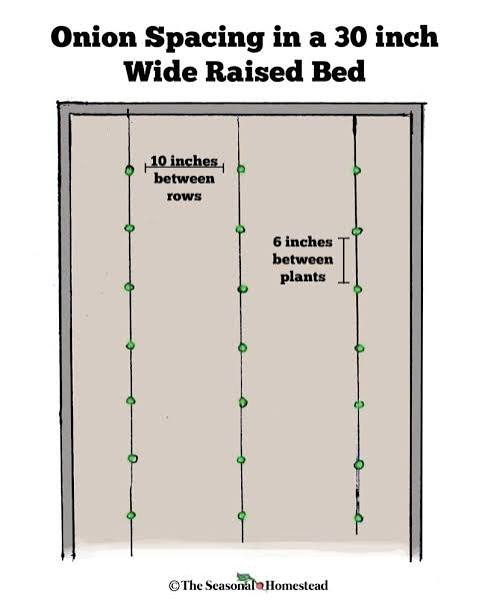
Spacing depends on whether you are growing onions for bulbs or green onions.
For larger bulbs, provide enough room between plants to allow the bulbs to expand.
For green onions, plants can generally be spaced more closely.
Always check the seed packet or variety instructions because mature size varies between types.
Overcrowding can lead to smaller bulbs and poor airflow.
How Much Sunlight Do Onions Need?
Sunlight is essential when learning how to grow onions.
Most bulb onions need plenty of direct sunlight to develop properly.
A sunny garden bed or raised bed is usually a good choice.
If onions receive too much shade, they may produce weak leaves and smaller bulbs.
Before planting, observe your garden throughout the day to find the sunniest suitable location.
Providing enough sunlight is one of the basic requirements when learning how to grow onions.
How Often Should You Water Onions?
Onions have relatively shallow roots, so consistent soil moisture is important.
Water when the soil begins to dry, especially during periods of hot or dry weather.
Instead of watering lightly every day, provide enough water to moisten the root zone thoroughly while allowing excess moisture to drain away.
Reduce watering as the bulbs approach maturity and the tops begin to fall over.
Avoid keeping the soil constantly saturated.
How to Avoid Overwatering Onions
Overwatering is a common problem in vegetable gardens.
Poorly drained soil combined with excessive irrigation can create conditions that encourage root and bulb problems.
Use well-draining soil and check moisture before watering.
Raised beds can be useful in locations where the natural soil drains poorly.
Fertilizing Onion Plants
Onions need nutrients to produce healthy leaves and bulbs.
Before planting, incorporate well-aged compost if your soil needs additional organic matter.
During the growing season, use a fertilizer appropriate for vegetables if needed.
Avoid excessive nitrogen late in the season. Too much nitrogen can encourage leafy growth when the plant should be focusing on bulb development.
A soil test can help you determine whether additional nutrients are actually necessary. Proper nutrition can help gardeners understand how to grow onions that develop healthy bulbs.
Why Onion Leaves Are Important
The green leaves of an onion plant are essential because they produce energy that is stored in the developing bulb.
Healthy, vigorous foliage generally supports better bulb development.
Avoid damaging the leaves unnecessarily.
If you are growing bulb onions, do not repeatedly cut the green tops like you would with green onions because this can reduce the plant’s ability to develop a large bulb.
Mulching Around Onions
A thin layer of suitable organic mulch can help retain soil moisture and reduce weed growth.
Mulch can also help keep soil temperatures more stable.
Avoid placing thick, wet mulch directly against onion plants.
Keep the growing area reasonably clean so the plants have good airflow.
Keep the Garden Weed-Free
Weeds can compete with onions for water, nutrients, sunlight, and space.
Because onion roots are relatively shallow, they can be particularly sensitive to competition from aggressive weeds.
Remove weeds carefully when they are small.
Avoid deep cultivation close to onion plants because it can damage their roots.
Mulching can make weed management easier.
Growing Onions in Raised Beds
Raised beds can be excellent for onions because they often provide loose, well-draining soil.
You can create a dedicated onion bed or combine onions with other compatible vegetables.
Raised beds also make it easier to control soil quality and spacing.
Make sure the bed receives plenty of sunlight.
Raised beds can make how to grow onions easier by providing loose, well-draining soil.
Growing Onions in Containers
If you have limited garden space, you can grow certain onions in containers.
Choose a container with drainage holes and enough depth for the roots.
Green onions are particularly convenient for container gardening.
For bulb onions, choose varieties that remain suitable for the available container size and provide enough horizontal space for bulb development.
Use a quality potting mix rather than heavy garden soil. With the right container and growing conditions, you can learn how to grow onions even with limited garden space.
Common Onion Pests
Several pests can affect onion plants.
Onion thrips are small insects that can damage leaves and cause silvery or distorted foliage.
Other insects may also affect onions depending on your location.
Inspect plants regularly, particularly when growth looks unusual.
Encourage beneficial insects and maintain healthy growing conditions.
If a pest problem becomes serious, identify the insect before selecting a treatment.
Regular inspection is an important part of knowing how to grow onions without unnecessary pest damage.
Common Onion Diseases
Onions can be affected by several fungal, bacterial, and other diseases.
Poor drainage, excessive moisture, crowded plants, and prolonged wet foliage can increase disease risk.
Good spacing and proper watering can help improve air circulation and reduce moisture around the plants.
Remove severely diseased plant material and avoid planting onions in the same location repeatedly if disease has been a recurring problem.
Why Are My Onion Leaves Turning Yellow?
Yellow onion leaves can result from several causes.
Natural maturity, watering problems, nutrient deficiencies, pests, or disease may cause foliage to turn yellow.
If the bulbs are mature and the tops are naturally falling over, yellowing can simply indicate that harvest time is approaching.
If young plants are turning yellow unexpectedly, inspect the soil moisture, roots, foliage, and growing conditions.
Why Are My Onions Not Forming Bulbs?
If onions are producing leaves but not forming good bulbs, the variety may not be well matched to your day length or growing season.
Insufficient sunlight, overcrowding, poor soil, and planting at the wrong time can also affect bulb development.
Choose varieties suited to your region and give plants enough space to grow. Understanding these problems can help you improve how to grow onions and achieve better bulb development.
How to Know When Onions Are Ready to Harvest
Knowing when to harvest is an important part of how to grow onions.
For mature bulb onions, the tops often begin to yellow, weaken, and fall over naturally.
Once a significant portion of the tops has fallen, you can carefully lift the bulbs from the soil.
Avoid damaging or bruising the bulbs during harvest.
Green onions can generally be harvested earlier when the stalks reach the desired size.
How to Harvest Onions
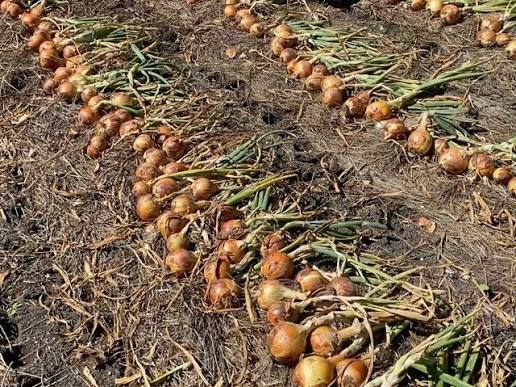
Choose a dry day for harvesting when possible.
Loosen the soil around the bulbs and gently lift them rather than pulling aggressively on the tops.
After harvesting, allow mature onions to cure in a dry, well-ventilated location.
Curing helps the outer layers dry and can improve storage life.
Do not wash onions before long-term storage.
How to Cure Onions
Spread harvested onions in a single layer in a dry, well-ventilated location.
Allow the outer skins and necks to dry thoroughly.
Good airflow is important during curing.
Once the skins become dry and papery and the necks are no longer moist, the onions can be prepared for storage.
Remove damaged or soft bulbs and use them first.
How to Store Homegrown Onions
Store cured onions in a cool, dry, well-ventilated location.
Avoid storing them in sealed plastic bags because trapped moisture can encourage rot.
Mesh bags, baskets, or other breathable storage methods can work well.
Keep stored onions away from damp areas and inspect them occasionally for soft or damaged bulbs.
Tips for Growing Large Onions
If you want larger bulbs, start with a variety suited to your climate.
Provide plenty of sunlight and fertile, well-draining soil.
Give plants enough space and maintain consistent moisture during active growth.
Avoid excessive nitrogen late in the season.
Most importantly, give the plants enough time to develop rather than harvesting too early.
Common Mistakes to Avoid
Choosing the Wrong Variety
A variety that does not match your local day length may fail to produce good bulbs.
Planting Too Deep
Deeply buried onion sets can struggle to develop properly.
Overcrowding Plants
Crowded onions often produce smaller bulbs.
Overwatering
Constantly wet soil can damage roots and bulbs.
Using Too Much Nitrogen
Excess nitrogen can encourage leaves rather than mature bulbs.
Ignoring Weeds
Weeds compete strongly with shallow-rooted onions.
Harvesting Too Early
Bulbs need enough time to mature and develop protective outer layers.
Frequently Asked Questions
How long does it take to grow onions?
The growing period depends on the variety and whether you start from seeds, sets, or transplants. Some onions mature within a few months, while others need a longer growing season.
Do onions need full sun?
Yes. Most bulb onions grow best with plenty of direct sunlight each day.
How often should onions be watered?
Water when the soil begins to dry, providing enough moisture to reach the root zone. Avoid keeping the soil continuously saturated.
Can onions grow in pots?
Yes. Green onions and some compact bulb varieties can grow successfully in containers with adequate drainage, soil, sunlight, and space.
How deep should onion sets be planted?
Onion sets are generally planted shallowly, with the pointed end facing upward and the bulb close to the soil surface. Follow the instructions for your specific variety.
Why are my onions small?
Small bulbs can result from insufficient sunlight, overcrowding, unsuitable varieties, poor soil, inconsistent watering, or a short growing period.
Can I grow onions from an onion?
A leftover onion can sometimes regrow green shoots, but growing a full mature bulb from kitchen scraps is not always reliable. For a dependable harvest, use seeds, sets, or transplants from a suitable variety.
When should I stop watering onions?
As mature bulb onions approach harvest and their tops naturally begin falling over, gradually reduce watering. Harvest during suitable dry conditions when possible.
Final Thoughts
Growing onions at home is a simple and rewarding gardening project, especially when you give the plants the right growing conditions from the beginning. Good soil, plenty of sunlight, and regular but careful watering can make a big difference in how well your onions grow.
The most important thing is to be patient and pay attention to your plants as they develop. Avoid overwatering and give the bulbs enough space to grow properly. With basic care and a little consistency, even beginners can grow healthy onions in a garden or container.
Once the onion tops start turning yellow and falling over, it is usually a good sign that the bulbs are ready to harvest. Growing your own onions not only gives you fresh produce but also makes gardening more enjoyable and satisfying.