

Growing tomatoes in pots is a great option if you have limited garden space or simply want to grow fresh tomatoes on a balcony, patio, or small outdoor area. With the right pot, good soil, enough sunlight, and regular watering, tomato plants can grow really well in containers.
In this guide, I’ll share some simple tips on how to grow tomatoes in pots, from choosing the right container and soil to watering, feeding, and supporting the plant as it grows. Whether you’re a beginner or already enjoy gardening, these tips can help you get a healthy plant and a better harvest.
How Grow Tomatoes in Pots?
Growing tomatoes in pots offers several advantages. Containers are useful for gardeners who have limited outdoor space or poor garden soil.
You can place containers in sunny locations and move them when necessary. Container gardening also gives you more control over the soil and growing conditions.
Pots can be especially helpful for people living in apartments, townhomes, or homes without large garden beds.
Another advantage is that containers allow you to grow different tomato varieties separately. You can choose compact cherry tomatoes, patio varieties, or larger plants depending on the space available. These how to grow tomatoes in pots tips help beginners start container gardening with confidence.
Choose the Right Tomato Variety
Choosing the right variety is one of the most important steps when learning how to grow tomatoes in pots.
Not every tomato plant is equally suitable for containers. Compact, dwarf, and determinate varieties are often easier to manage in pots because they have a more controlled growth habit.
Cherry and patio tomatoes can be excellent choices for smaller containers.
Indeterminate varieties can also be grown in pots, but they usually need larger containers, strong support, and more regular maintenance because they can continue growing throughout the season.
Always check the mature size of the variety before choosing a container. Choosing the right variety is one of the biggest secrets of how to grow tomatoes in pots successfully.
Determinate vs. Indeterminate Tomatoes
Understanding the difference between determinate and indeterminate tomatoes can help you choose the right plant.
Determinate tomatoes generally grow to a more limited size and produce much of their crop within a shorter period. They can be convenient for container gardening.
Indeterminate tomatoes continue producing new growth and fruit over a longer period when conditions are suitable. They can become large and usually need sturdy support.
For beginners with limited space, compact determinate varieties can be easier to manage.
Choose the Right Pot Size
The container you choose can make a major difference in tomato growth.
Tomatoes develop substantial root systems, so avoid using a very small pot simply because the plant looks small when you purchase it.
A container of around 5 gallons can work for some compact tomato plants, while larger varieties may perform better in containers with more soil volume.
Larger containers generally provide more room for roots and can hold moisture longer.
Make sure the container has drainage holes at the bottom. A properly sized container makes how to grow tomatoes in pots much easier throughout the growing season.
Use a Container With Good Drainage
Good drainage is essential for container-grown tomatoes.
Excess water needs to escape through drainage holes. If water remains trapped around the roots, the plant may develop root problems.
Avoid decorative pots without drainage unless you are using a properly draining inner container.
Check the bottom of your pot before planting and make sure water can flow freely through it.
Choose the Best Potting Soil
Regular garden soil is usually not the best choice for container tomatoes because it can become compacted and may not drain properly in a pot.
Instead, use a high-quality potting mix designed for containers.
A good mix should provide drainage while retaining enough moisture for healthy growth.
Adding suitable compost or organic matter can also help support plant development, but avoid making the mix excessively heavy. Quality potting mix plays an important role in how to grow tomatoes in pots because healthy roots need good drainage.
Give Tomatoes Plenty of Sunlight
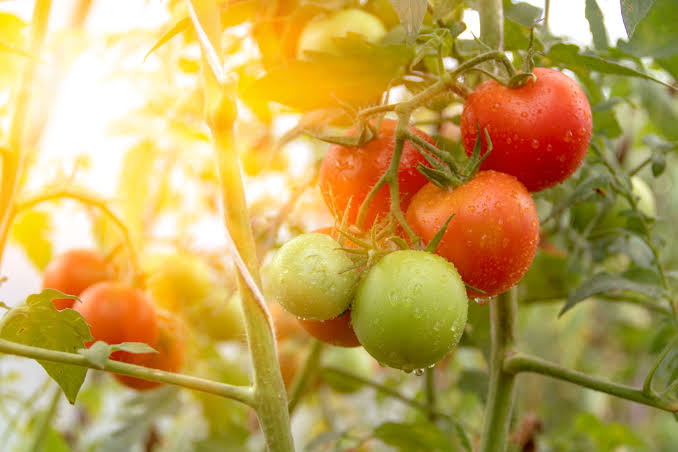
Tomatoes are sun-loving plants.
Place your container where the plant can receive plenty of direct sunlight each day.
A sunny patio, balcony, deck, or garden area can work well if it provides adequate light.
Insufficient sunlight can lead to weak, stretched growth and reduced fruit production.
If you are growing tomatoes in a container, observe the location before planting and make sure it receives enough sunlight during the main part of the day. Plenty of sunlight is essential when learning how to grow tomatoes in pots at home.
Plant Tomatoes at the Right Time
Timing is important when learning how to grow tomatoes in pots.
Tomatoes are warm-season plants and generally perform best when temperatures are consistently suitable for growth.
In many parts of the United States, gardeners plant tomatoes outdoors after the danger of frost has passed and the soil and weather have warmed.
Local planting dates vary considerably, so check recommendations for your USDA hardiness zone and local climate.
Avoid putting young tomato plants outdoors too early when cold temperatures can damage them.
How to Plant Tomatoes in a Pot
Fill the container with quality potting mix, leaving enough space at the top for watering.
Remove the tomato plant carefully from its nursery container.
If the plant has become slightly root-bound, gently loosen the outer roots.
Tomatoes can be planted somewhat deeper than many other vegetables because they can develop additional roots along the buried stem.
However, avoid burying leaves beneath the soil.
After planting, water thoroughly so the soil settles around the roots.
Water Tomatoes Consistently
Consistent watering is one of the most important parts of how to grow tomatoes in pots successfully.
Container plants can dry out more quickly than plants growing in the ground, particularly during hot weather.
Check the soil regularly by touching the surface and checking deeper into the container.
When the soil begins to dry, water thoroughly until excess water drains from the bottom.
Avoid repeatedly giving the plant tiny amounts of water because this can result in uneven moisture. Consistent watering is one of the most important parts of how to grow tomatoes in pots without common growing problems.
Avoid Overwatering
While tomatoes need consistent moisture, they should not sit in constantly saturated soil.
Overwatering can reduce root health and may contribute to fungal or other problems.
Make sure your container has proper drainage and allow excess water to escape.
During cooler or rainy periods, you may need to water less frequently.
Always consider the soil and weather rather than following a rigid watering schedule.
Add Mulch to the Container
A thin layer of suitable organic mulch can help reduce moisture loss from the soil surface.
Mulch can also help moderate soil temperature and reduce splashing onto the leaves during watering.
Do not pile mulch directly around the stem.
Keep a small gap around the base of the plant to improve airflow and reduce excessive moisture around the stem.
Feed Your Tomato Plants
Tomatoes are productive plants and may benefit from regular nutrients during the growing season.
Container plants can use nutrients relatively quickly because their roots are restricted to a limited amount of soil.
Use a fertilizer formulated for vegetables or tomatoes and follow the label instructions.
Avoid excessive fertilizer, especially products high in nitrogen, because this can encourage lots of leafy growth while reducing fruit production.
A balanced feeding routine is generally more useful than applying large amounts at once. Proper feeding helps improve how to grow tomatoes in pots by supporting healthy flowers and fruit.
Support Your Tomato Plant
Many tomato plants need support as they grow.
A tomato cage, stake, or sturdy trellis can keep branches upright and prevent fruit-laden stems from bending toward the ground.
Install support early rather than waiting until the plant becomes large.
Make sure the support is strong enough for the mature size of your variety and the weight of its fruit. Strong support is another important step in how to grow tomatoes in pots successfully.
Pruning Container Tomatoes
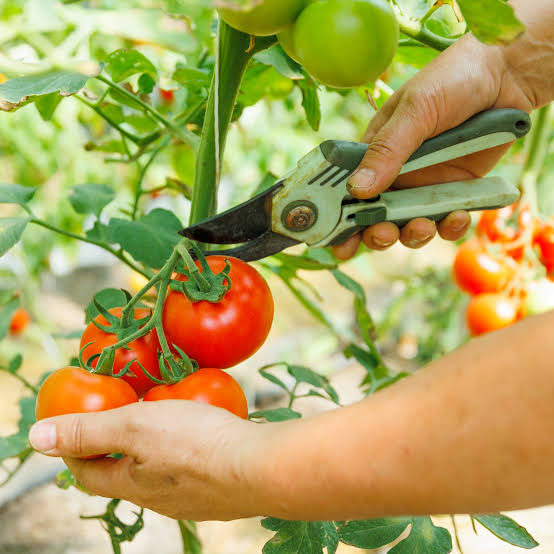
Pruning requirements depend on the tomato variety.
Determinate tomatoes generally need less pruning than indeterminate varieties.
Indeterminate tomatoes may benefit from removing some unwanted suckers and managing excessive growth, depending on your preferred growing method.
Avoid excessive pruning because leaves are essential for photosynthesis and fruit development.
If you are growing a compact variety, minimal pruning may be all that is needed.
How to Improve Tomato Pollination
Tomatoes are generally self-pollinating, but they still benefit from movement and good growing conditions.
Outdoor plants naturally experience wind and insect activity.
For indoor or sheltered container plants, gently shaking the plant or tapping the flower clusters can help distribute pollen.
Avoid disturbing flowers excessively.
Healthy plants with sufficient sunlight, appropriate nutrients, and suitable temperatures are more likely to produce fruit successfully.
Protect Tomatoes From Extreme Heat
Container plants can heat up quickly during very hot weather.
Dark-colored pots may become especially warm in direct sunlight.
During extreme heat, monitor the soil moisture more frequently and consider whether the container location is exposing the roots to excessive heat.
Larger containers generally provide more buffering than very small pots.
Providing appropriate afternoon protection can sometimes help in extremely hot climates, but tomatoes still need plenty of sunlight for healthy growth.
Protect Tomatoes From Cold Weather
Tomatoes are sensitive to cold temperatures.
If an unexpected cold spell is expected, container plants can sometimes be moved to a more protected location.
Young plants are particularly vulnerable.
Do not rush to place tomatoes outdoors before conditions are suitable simply because the weather feels warm during the day. Nighttime temperatures can still be too cold for healthy growth.
Common Tomato Pests
Container-grown tomatoes can still experience pest problems.
Common pests may include aphids, whiteflies, tomato hornworms, and various caterpillars.
Inspect leaves and stems regularly.
Look underneath leaves and around new growth because some pests are easy to miss.
Removing larger pests by hand can sometimes be enough for a small garden.
For serious infestations, identify the pest before selecting a control method.
Common Tomato Diseases
Tomatoes can be affected by several diseases, particularly when foliage remains wet for long periods or plants have poor airflow.
Possible problems include fungal leaf diseases, bacterial diseases, and various forms of wilt.
Good spacing, proper watering, adequate sunlight, and clean gardening practices can help reduce disease pressure.
Avoid repeatedly watering the leaves when possible. Water the soil around the plant instead.
If a plant develops severe symptoms, remove affected material and seek advice from a local extension service or plant professional.
Why Are My Tomato Leaves Turning Yellow?
Yellow leaves can have several causes.
Overwatering, nutrient deficiencies, poor drainage, insufficient sunlight, pests, and disease can all cause yellowing.
Start by checking the soil moisture and drainage.
Look at the overall plant rather than focusing on one leaf.
If only a few older leaves are yellow while the plant is otherwise growing normally, it may not indicate a serious problem.
Why Are My Tomatoes Not Producing Fruit?
A tomato plant may produce flowers without developing many fruits when growing conditions are unfavorable.
Extreme temperatures, insufficient sunlight, poor nutrition, watering problems, or inadequate pollination can affect fruit development.
Make sure the plant receives sufficient sunlight and consistent moisture.
Avoid excessive nitrogen fertilizer, which can encourage foliage at the expense of fruit.
How to Harvest Container Tomatoes
Harvest tomatoes when they reach the appropriate color and maturity for the variety.
Some gardeners prefer to harvest slightly before full ripeness and allow the fruit to finish ripening indoors, particularly when pests or weather are a concern.
Use clean hands or pruning scissors and avoid pulling aggressively on the plant.
Regular harvesting can encourage continued production in varieties that keep producing throughout the season.
Can You Grow Tomatoes in Pots on a Balcony?
Yes. Balcony gardening can be an excellent way to grow tomatoes if the location receives enough sunlight.
Choose compact varieties and containers that are large enough for the plant.
Consider the weight of large pots filled with wet soil before placing them on a balcony.
Also make sure the container is stable and will not easily tip over in wind.
Can You Grow Tomatoes in Pots Indoors?
Growing tomatoes indoors is more challenging because tomatoes require strong light.
A very sunny window may not provide enough light for vigorous production, particularly during winter.
Indoor gardeners may need suitable supplemental grow lighting and careful temperature management.
If your goal is a large harvest, an outdoor location with sufficient sunlight is generally easier when the weather permits.
Best Tips for Growing Tomatoes in Pots
The most important principles of container tomato gardening are simple.
Choose a suitable variety, use a large container with drainage, provide quality potting mix, give the plant plenty of sunlight, water consistently, feed appropriately, and provide support.
Regularly inspect your plant for pests, disease, and signs of environmental stress.
Small problems are generally easier to address when noticed early.
Common Mistakes to Avoid
Using a Small Container
A small pot can restrict root development and dry out quickly.
Using Garden Soil
Heavy garden soil may drain poorly in containers.
Watering Irregularly
Allowing the plant to become extremely dry and then soaking it can contribute to inconsistent growth and fruit problems.
Giving Too Much Fertilizer
More fertilizer does not necessarily mean more tomatoes.
Providing Too Little Sunlight
Tomatoes need strong light for healthy growth and fruit production.
Forgetting Plant Support
Branches can become heavy as fruit develops.
Planting Too Early
Cold temperatures can damage young tomato plants and slow their development.
Frequently Asked Questions About How to Grow Tomatoes in Pots
How big should a pot be for growing tomatoes?
The ideal container size depends on the tomato variety. Compact varieties can grow in smaller containers, while larger varieties generally benefit from a container holding around 5 gallons or more.
How often should I water tomatoes in pots?
Check the soil regularly and water when it begins to dry. Container tomatoes may need frequent watering during hot weather, but the exact schedule depends on temperature, sunlight, pot size, and soil.
Can I grow tomatoes in a 5-gallon bucket?
Yes, some tomato varieties can grow successfully in a 5-gallon container when it has adequate drainage and the plant receives sufficient sunlight and care.
Do tomatoes need full sun?
Tomatoes generally perform best with plenty of direct sunlight. Choose the sunniest suitable location available for your container.
Should I use a tomato cage in a pot?
A tomato cage or other support can be very helpful, especially for varieties that grow tall or produce heavy fruit.
What is the best soil for tomatoes in pots?
Use a high-quality potting mix designed for containers. It should provide good drainage while retaining enough moisture for healthy growth.
Can I grow cherry tomatoes in pots?
Yes. Cherry tomatoes are often excellent choices for containers, especially compact or patio varieties.
Why are my potted tomato leaves turning yellow?
Yellow leaves may be caused by watering problems, nutrient issues, pests, disease, poor drainage, or insufficient light. Check the plant’s growing conditions before deciding on a solution.
Final Thoughts
Growing tomatoes in pots is simple when you give the plants enough sunlight, water, space, and nutrients. Choosing the right pot and using good-quality, well-draining soil can make a big difference in how well your tomato plant grows.
With regular care and a little patience, even a small balcony or patio can give you fresh, homegrown tomatoes. Just keep an eye on watering, feeding, and plant support, and enjoy watching your tomatoes grow.