

Seeing a plant looking completely dead can be really disappointing, especially when you have spent time caring for it. But before you throw it away, there may still be a chance to save it. Sometimes a plant only looks dead because of underwatering, overwatering, lack of sunlight, or damaged roots. With the right care, some plants can slowly start showing signs of life again.
Learning how to revive a dead plant does not have to be difficult. The first step is to check the stems, leaves, roots, soil, and overall condition of the plant to find out what went wrong. Once you understand the problem, you can make a few simple changes to its watering, light, soil, and growing conditions.
In this guide, I’ll share easy and practical steps to help you bring a struggling plant back to life. Whether your plant has dry leaves, weak stems, or looks completely lifeless, these simple tips can help you understand what it needs and give it the best possible chance to grow healthy and green again.
Can a Dead Plant Come Back to Life?
The first thing to understand about how to revive a dead plant is that you need to determine whether the plant is actually dead.
A plant may look lifeless because its leaves have wilted, dropped, or turned brown. Some plants can recover after severe stress if their roots or stems are still alive.
Look for these signs of life:
- Green tissue under the stem surface
- Firm roots
- New buds or small shoots
- Flexible stems
- Healthy growth near the base
- A living crown or central growing point
If the stems are completely brittle and brown and the roots are dry, hollow, or rotten, the plant may no longer be recoverable.
How to Check if a Plant Is Still Alive
Before making major changes, inspect the plant carefully.
Check the Stem
Use a clean fingernail or a sterilized blade to gently scratch a small area of the outer stem.
If the tissue underneath is green or moist, there may still be living tissue.
If it is completely brown, dry, and brittle, that section may be dead.
Do not scratch large areas of the plant. A small test is enough.
Check the Roots
Remove the plant gently from its container if you suspect a root problem. When learning how to revive a dead plant, checking the roots is an important step.
Healthy roots are generally firm, while rotten roots may be soft, mushy, dark, or unpleasant-smelling.
If some roots are healthy and others are damaged, removing the rotten sections may give the plant a better chance of recovering. Checking the roots is an important step in understanding how to revive a dead plant and encourage healthy new growth.
Common Reasons Plants Look Dead
Understanding why the plant declined is an important part of learning how to revive a dead plant.
Overwatering
Too much water can suffocate roots and create conditions that encourage root rot. When learning how to revive a dead plant, always check the soil moisture before adding more water.
Signs may include:
- Yellow leaves
- Mushy stems
- Constantly wet soil
- Dropping leaves
- Soft or dark roots
Underwatering
Plants can also suffer when they do not receive enough water.
Severe underwatering can cause:
- Crispy leaves
- Drooping foliage
- Dry soil pulling away from the pot
- Brown leaf edges
- Brittle stems
Too Much Sunlight
Strong direct sunlight can scorch leaves, especially when a plant is not adapted to intense light.
Too Little Light
Insufficient light can lead to weak growth, yellowing leaves, and leaf drop. The right amount of sunlight can make a difference when you are learning how to revive a dead plant.
Poor Soil
Compacted or poorly draining soil can make it difficult for roots to receive enough oxygen and water. Using suitable, well-draining soil can help you revive a dead plant when poor soil conditions are part of the problem.
Temperature Stress
Sudden cold drafts, extreme heat, or rapid temperature changes can damage sensitive plants.
Pests
Spider mites, scale, aphids, and other pests can weaken a plant over time.
How to Revive a Dead Plant Step by Step
If you have confirmed that your plant still has some living tissue, follow these steps carefully.
Step 1: Remove Dead Leaves
Start by removing completely dead leaves.
Use clean scissors to cut away brown, crispy, or severely damaged foliage. Do not remove healthy green leaves unnecessarily because the plant may still use them for photosynthesis.
Step 2: Prune Dead Stems
Cut away stems that are clearly dead or brittle.
Make each cut just above a healthy section of the stem when possible. Proper pruning can make it easier to revive a dead plant by removing damaged growth and allowing the plant to focus on healthy parts.
Do not remove living tissue simply because the plant looks weak.
Step 3: Check the Soil
Feel the soil before watering.
If it is extremely dry and the plant is suffering from underwatering, it may need a thorough drink.
If the soil is wet and the roots are damaged, adding more water can make the problem worse.
Step 4: Adjust the Watering
Water according to the plant’s actual needs rather than following a fixed schedule.
For an extremely dry plant, water slowly and thoroughly until excess water begins to drain from the container.
For an overwatered plant, allow the growing medium to dry appropriately and address drainage problems.
Step 5: Inspect the Roots
If root damage is suspected, gently remove the plant from its pot and inspect the root system.
Trim away roots that are clearly rotten using clean scissors. Avoid cutting healthy roots unnecessarily.
Step 6: Repot if Necessary
If the soil is badly compacted, constantly wet, or affected by root rot, repotting may be helpful.
Choose a clean container with drainage holes and use a suitable potting mix for the plant.
Do not automatically move a struggling plant into a huge pot. A container that is only appropriately larger is often safer.
Step 7: Give the Plant Suitable Light
Move the plant to a location with the amount of light it needs.
Do not suddenly place a weak plant in extremely strong sunlight. If it needs more light, increase exposure gradually when appropriate.
Step 8: Maintain a Stable Environment
Keep the recovering plant away from extreme temperatures, cold drafts, heaters, and sudden environmental changes.
A stable environment can make recovery easier.
Step 9: Check for Pests
Inspect both sides of the leaves, stems, and soil surface.
If you find pests, identify the problem and use an appropriate treatment for the plant and pest involved.
Step 10: Be Patient
One of the most important parts of how to revive a dead plant is understanding that recovery may take time. When you know how to revive a dead plant, patience is just as important as proper care.”
Do not keep changing the plant’s location, watering schedule, soil, and fertilizer every few days. Give it stable conditions and watch for gradual improvement.
How to Revive an Overwatered Plant
Overwatering is one of the most common reasons plants decline.
If the soil stays wet for a long time, first check the drainage holes and inspect the roots if necessary.
Remove rotten roots and place the plant in fresh, well-draining potting mix when repotting is needed.
Afterward, allow the growing medium to reach the appropriate level of dryness before watering again.
The exact watering frequency depends on the plant, pot size, soil, temperature, and light conditions.
How to Revive an Underwatered Plant
A severely dry plant may have wilted leaves and extremely dry soil.
If the plant is still alive, water it thoroughly and allow excess water to drain away.
Do not immediately drown a severely stressed plant with repeated watering. Check the soil and allow the water to absorb properly.
Continue monitoring the moisture level over the following days.
How to Revive a Plant With Root Rot
Root rot requires special attention.
Remove the plant from its container and inspect the roots. Cut away roots that are soft, mushy, or clearly rotten using clean tools.
Replace heavily affected soil with fresh, suitable potting mix and use a container with proper drainage.
After repotting, avoid keeping the soil constantly wet.
Should You Fertilize a Dying Plant?
Fertilizer is not always the answer.
A severely stressed plant may have damaged roots that cannot absorb nutrients effectively. Adding strong fertilizer when the plant is already struggling can create additional stress.
Focus first on the basics:
- Appropriate watering
- Suitable light
- Good drainage
- Healthy roots
- Proper temperature
- Pest control
Once the plant begins producing healthy new growth, you can consider whether it needs additional nutrients.
How Long Does It Take for a Plant to Recover?
Recovery time varies greatly between plants and depends on the severity of the damage.
A mildly wilted plant may improve within days after its growing conditions are corrected. A plant with significant root or stem damage may take weeks or longer to show clear recovery.
New leaves, buds, or shoots are encouraging signs.
Avoid judging recovery based only on old damaged leaves. Once leaves are severely damaged, they may not return to their original appearance even when the plant itself is recovering.
How to Prevent a Plant From Dying Again
Once you learn how to revive a dead plant, prevention becomes the next step.
Learn the Plant’s Needs
Different plants have different requirements for light, water, humidity, soil, and temperature.
Check Soil Before Watering
Instead of watering automatically, check the growing medium first.
Use Proper Drainage
Make sure excess water can leave the container.
Provide Appropriate Light
Give the plant enough light for its species without exposing it to conditions that may cause scorching.
Inspect for Pests
Regularly check leaves and stems for signs of insects or other pests.
Avoid Sudden Changes
Gradual changes are often easier for plants to handle than sudden shifts in light, temperature, or watering.
Common Mistakes When Trying to Revive a Plant
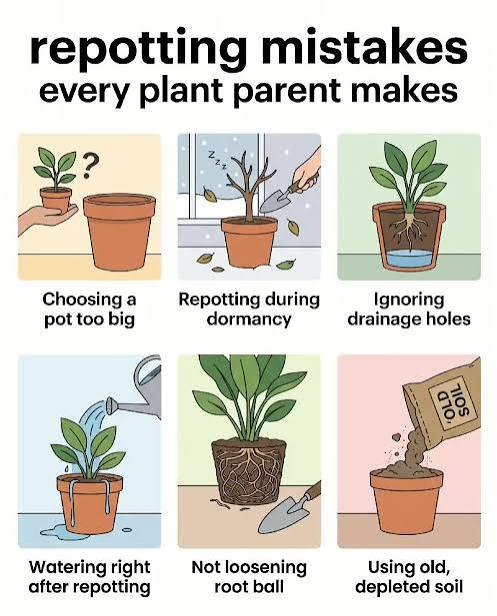
Watering Too Much
Seeing a wilted plant does not always mean it needs more water. Root damage from overwatering can also cause wilting.
Cutting Everything Off
Do not remove healthy green tissue simply because the plant looks damaged.
Adding Too Much Fertilizer
More fertilizer does not automatically mean faster recovery.
Moving the Plant Constantly
Repeatedly changing its environment can create additional stress.
Ignoring the Roots
Sometimes the visible symptoms are caused by problems below the soil.
Giving Up Too Soon
If the plant still has healthy roots, green tissue, or new buds, recovery may be possible. Give it appropriate care and time.
Frequently Asked Questions
Can a completely dead plant be revived?
If the entire plant, including its roots and stems, is completely dead, it cannot be revived. However, a plant that only appears dead may still have living tissue and can sometimes recover.
How do I know if my plant is dying or dormant?
Check the stems, roots, and growing points for signs of life. Some plants naturally lose leaves or become dormant during certain seasons, so knowing the plant’s normal growth cycle is important.
Should I cut off dead leaves?
Yes, completely dead leaves can generally be removed with clean scissors. Avoid removing healthy green leaves unless there is a specific reason.
Can yellow leaves turn green again?
It depends on why the leaf turned yellow. Some causes can be corrected, but a severely damaged leaf may not return to its original condition. Focus on improving the plant’s overall growing conditions.
How often should I water a recovering plant?
There is no universal schedule. Check the soil and consider the plant’s specific moisture requirements, pot size, light, temperature, and growing medium.
Final Thoughts
Reviving a dead-looking plant can take a little patience, but it is definitely worth trying before giving up on it. By checking the roots, improving the soil, providing the right amount of water, and giving the plant enough sunlight, you may be able to encourage new growth. Remember that every plant is different, so it can take some time to see visible changes.
The most important thing is to find out what caused the plant to struggle in the first place. Once you fix the main problem and give your plant consistent care, it may slowly begin to recover. If you notice new leaves or fresh green growth, that is a good sign that your plant is coming back to life.