

Few garden visitors are as fascinating as a hummingbird. With their tiny bodies, dazzling feathers, and incredibly fast wings, these little birds can make an ordinary garden feel full of life. They can hover in one place, move quickly between flowers, and disappear almost as quickly as they arrived.
Hummingbirds are especially attracted to gardens filled with colorful, nectar-rich flowers. Creating the right environment for them can turn your outdoor space into a lively feeding spot while giving you the chance to watch these beautiful birds up close.
If you enjoy nature and want to make your garden more inviting, attracting hummingbirds is a wonderful idea. With the right flowers, food sources, shelter, and a little patience, you can create a garden that keeps these fascinating visitors coming back.
What Are Hummingbird Plants?
Hummingbird plants are flowering plants that provide nectar and other resources that hummingbirds need. Many of these plants produce tubular or trumpet-shaped flowers, making it easier for hummingbirds to reach the nectar with their long bills and tongues.
Brightly colored flowers, particularly red, pink, orange, and purple blooms, can be especially noticeable to hummingbirds. However, flower color is not the only factor that matters. Nectar availability, bloom time, plant shape, and garden location can all influence how attractive a garden is.
For the best results, choose several types of flowers instead of relying on one plant. This creates a more diverse landscape and can provide nectar during different parts of the season.
27 Best Hummingbird Plants for a Beautiful Garden
1. Bee Balm
Bee balm is a classic choice for attracting hummingbirds. Its unusual flowers appear in bright shades and are packed with nectar.
This perennial can become a beautiful focal point in a sunny garden while also supporting other pollinators.
2. Cardinal Flower
Cardinal flower is famous for its brilliant red blooms. Its tall flower spikes can add dramatic color to moist garden areas.
The tubular flowers are especially appealing to hummingbirds searching for nectar.
3. Salvia
Salvia includes many varieties that produce nectar-rich flowers. Depending on the variety, blooms may appear in red, purple, pink, blue, or other shades.
It is one of the most useful choices for gardeners who want a long-lasting supply of flowers.
4. Trumpet Vine
Trumpet vine produces large, trumpet-shaped flowers that are naturally suited to hummingbirds.
It is a vigorous climber, so give it plenty of room and a strong structure to grow on.
5. Columbine
Columbine has delicate flowers with distinctive shapes that hummingbirds can easily visit.
It is especially useful in gardens where you want early-season flowers and an attractive woodland-inspired appearance.
6. Zinnias
Zinnias are colorful annual flowers that can bring plenty of life to a summer garden.
Their bright blooms also make excellent cut flowers, giving you another reason to grow them.
7. Petunias
Petunias are easy to grow in beds, hanging baskets, and containers. Their trumpet-shaped flowers can provide nectar while adding a huge range of colors to outdoor spaces.
They are particularly useful for small gardens.
8. Fuchsia
Fuchsia is an excellent option for hanging baskets and shaded or partly shaded locations, depending on the variety.
Its dangling flowers create a striking display and can make a patio feel like a miniature hummingbird garden.
9. Honeysuckle
Honeysuckle vines produce fragrant flowers and can provide a vertical source of nectar.
Choose a suitable variety for your region and provide a support structure for climbing growth.
10. Butterfly Bush
Despite its common name, butterfly bush can also provide nectar for hummingbirds.
Its long flower clusters create a colorful display and can become an attractive background plant.
11. Cuphea
Cuphea produces small tubular flowers that are well suited to hummingbirds.
Many varieties remain relatively compact, making them useful for containers, borders, and smaller gardens.
12. Penstemon
Penstemon offers tubular flowers in several attractive colors. It is a valuable addition to sunny landscapes and can provide nectar during the blooming season.
Different varieties have different growing requirements, so choose one suited to your climate.
13. Foxglove
Foxglove produces tall spikes covered with bell-shaped flowers.
Its vertical form makes it an excellent choice for adding height to a flower border while providing attractive blooms for visiting hummingbirds.
14. Coral Bells
Coral bells are commonly grown for their attractive foliage, but some varieties also produce delicate flower spikes that hummingbirds may visit.
They can be especially useful in partly shaded garden spaces.
15. Red Hot Poker
Red hot poker creates tall flower spikes in striking warm colors.
Its unusual appearance makes it a standout plant, while its tubular flowers can provide a valuable nectar source.
16. Lantana
Lantana produces clusters of colorful flowers and can bloom for a long period in warm conditions.
It works particularly well in sunny locations and containers.
17. Agastache
Agastache, sometimes called hummingbird mint, is a fantastic choice for a pollinator garden.
Its upright flower spikes provide nectar while its foliage can add an attractive herbal fragrance to the garden.
18. Daylilies
Daylilies are reliable perennials that can provide bold color during summer.
Although they are not the only plants you should grow for hummingbirds, they can contribute useful blooms to a diverse garden.
19. Morning Glory
Morning glory vines produce trumpet-shaped flowers and can quickly cover trellises or other supports.
They are ideal when you want to add vertical interest to a hummingbird-friendly garden.
20. Nicotiana
Nicotiana produces tubular flowers that can be particularly attractive to hummingbirds.
Many varieties also release fragrance, adding another sensory element to the garden.
21. Impatiens
Impatiens are useful for shady or partly shaded spaces where many sun-loving flowers struggle.
Their colorful blooms can brighten areas beneath trees, porches, or other locations with filtered light.
22. Nasturtiums
Nasturtiums are easy-growing flowers with bright blooms and attractive rounded foliage.
They can work beautifully in containers, raised beds, and informal garden borders.
23. Penstemon Digitalis
This type of penstemon produces clusters of pale tubular flowers on upright stems.
It can be a lovely choice for gardeners who want a more natural-looking native-style planting.
24. California Fuchsia
California fuchsia is a drought-tolerant option that can work particularly well in suitable dry climates.
Its bright tubular flowers can add late-season color while providing nectar.
25. Jewelweed
Jewelweed produces delicate, tubular flowers and naturally grows in moist environments.
It can be a useful choice for gardeners who want to create a more natural habitat.
26. Red Buckeye
Red buckeye is a small tree or large shrub that produces clusters of red flowers.
Its spring blooms can provide an early source of nectar and create a striking landscape feature.
27. Four O’Clocks
Four o’clocks produce colorful, trumpet-shaped flowers that open later in the day.
They can add a different rhythm to your garden and provide flowers beyond the typical daytime display.
How to Choose the Right Hummingbird Plants
Choosing hummingbird plants is not simply about buying flowers with bright colors. A successful garden should offer nectar, shelter, and a variety of blooming periods.
Start by checking how much sunlight your garden receives. Some flowers require full sun, while others perform better in partial shade.
Next, consider your climate and USDA hardiness zone. A plant that thrives in one part of the country may struggle in another.
Finally, look at bloom time. Combining spring, summer, and fall flowers can help create a more consistent food source.
Best Hummingbird Plants for Full Sun
If your garden receives six or more hours of direct sunlight, you have many excellent choices.
Consider:
- Bee balm
- Salvia
- Zinnias
- Lantana
- Agastache
- Penstemon
- Red hot poker
- Cardinal flower
Full-sun flowers often produce abundant blooms when they receive adequate moisture and suitable soil.
Hummingbird Plants for Shade
Not every garden has a sunny location. Fortunately, some flowering plants can perform well in partial shade.
Good options can include:
- Fuchsia
- Impatiens
- Coral bells
- Columbine
- Foxglove
Before planting, check the specific light requirements of each variety because “shade” can mean anything from a few hours of morning sun to almost complete shade.
Best Hummingbird Plants for Containers
You can attract hummingbirds even if you do not have a traditional flower bed.
Containers are especially useful for apartments, patios, balconies, and small yards.
- Petunias
- Fuchsia
- Salvia
- Cuphea
- Lantana
- Zinnias
Choose containers with drainage holes and use a quality potting mix suitable for flowering plants.
How to Design a Hummingbird-Friendly Garden
A successful garden should feel welcoming to birds as well as beautiful to people.
Start by planting flowers in groups rather than scattering one plant here and another there. Large clusters of flowers can create a stronger visual display and make nectar sources easier to find.
Add plants with different heights. Tall flowers can form a background, medium-sized plants can fill the middle, and shorter flowers can create a colorful front border.
You can also add shrubs or small trees to provide places where hummingbirds can rest between feeding visits.
Provide Flowers From Spring to Fall
One of the smartest ways to attract hummingbirds is to avoid having all your plants bloom at the same time.
Early spring flowers can provide an important food source when fewer flowers are available. Summer blooms can offer abundant nectar during the busiest part of the growing season.
Late-blooming plants can then continue providing food as temperatures begin to cool.
A garden with overlapping bloom periods is much more useful than one that produces a huge burst of flowers for only a few weeks.
Should You Use Red Flowers?
Red flowers are strongly associated with hummingbirds, but they are not the only colors worth growing.
Hummingbirds can visit flowers in orange, pink, purple, blue, and other shades. Instead of focusing exclusively on red, create a colorful garden with a variety of nectar-rich flowers.
A diverse garden can be both more attractive and more useful throughout the season.
Avoiding Pesticides in a Hummingbird Garden
If your goal is to create a wildlife-friendly garden, think carefully before using pesticides.
Chemical treatments can affect more than the pest you are trying to control. They may also harm beneficial insects and other organisms in the garden.
Whenever possible, use gardening practices that encourage natural balance. Remove badly damaged plant material, encourage beneficial insects, and choose plants suited to your growing conditions.
Add Water for Hummingbirds
Flowers provide food, but hummingbirds also need water.
Unlike many larger birds, hummingbirds do not typically use deep birdbaths. They may prefer very shallow water, gentle dripping, or moving water.
A small mister or shallow water feature can make your garden more attractive while also providing a refreshing place for birds.
Keep any water source clean and change the water regularly.
Give Hummingbirds Places to Rest
Hummingbirds spend a lot of energy flying and feeding. They also need places where they can rest and watch their surroundings.
Small branches, shrubs, and nearby trees can provide useful perches.
A garden with flowers, shelter, and resting areas can create a more complete habitat than a space containing flowers alone.
Common Mistakes When Growing Hummingbird Plants
Even beautiful flowers may not create the garden you want if basic growing needs are ignored.
Choosing Plants That Do Not Suit Your Climate
Always check whether a plant can survive your local temperatures and growing conditions.
Planting Everything in One Season
If every plant blooms at the same time, your garden may have long periods with fewer flowers.
Ignoring Sunlight
A shade-loving plant may struggle in intense afternoon sun, while a sun-loving flower may produce fewer blooms in deep shade.
Overcrowding
Plants need enough room for healthy growth and air circulation.
Using Too Many Chemicals
A wildlife-friendly garden should minimize unnecessary pesticide use.
How to Make Your Garden More Attractive Naturally
You can make your hummingbird garden more appealing without making it complicated.
Use flowers with different shapes, heights, and bloom times. Include both annuals and perennials so your landscape changes throughout the season.
Avoid making the garden too formal. A slightly natural arrangement can provide birds with food and shelter while still looking beautiful.
You can also allow some flowers to produce seeds when appropriate. This can provide additional food for other backyard wildlife.
Benefits of Growing Hummingbird Plants
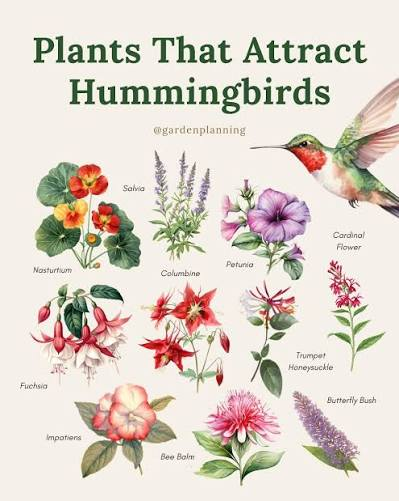
Growing hummingbird plants can transform an ordinary outdoor space into a lively habitat.
More Wildlife
A diverse garden can attract hummingbirds, butterflies, bees, and other beneficial visitors.
Seasonal Color
Nectar-rich flowering plants can provide beautiful colors throughout the growing season.
Pollinator Support
Many of the same flowers that attract hummingbirds also provide valuable resources for pollinators.
Natural Beauty
Watching hummingbirds move from flower to flower can make your garden feel more alive.
Garden Inspiration
A hummingbird-friendly garden encourages you to experiment with different plants, colors, textures, and landscape designs.
Frequently Asked Questions
What are the best plants for attracting hummingbirds?
Bee balm, salvia, cardinal flower, trumpet vine, penstemon, fuchsia, and many other nectar-rich flowers can attract hummingbirds when grown in suitable conditions.
Do hummingbirds prefer red flowers?
Hummingbirds are often attracted to bright red flowers, but they can also visit orange, pink, purple, blue, and other colorful blooms. Nectar availability is an important factor.
Can I grow hummingbird plants in containers?
Yes. Many suitable flowers, including petunias, fuchsia, salvia, lantana, and zinnias, can grow well in containers when they receive appropriate light, water, and growing space.
Final Thoughts
There is something special about seeing a hummingbird suddenly appear among the flowers. These tiny, energetic birds can bring movement, color, and a sense of life to any garden. With a few thoughtful choices, such as planting nectar-rich flowers and providing a safe, welcoming space, you can make your garden more attractive to them.
Creating a hummingbird-friendly garden does not have to be complicated. Even a small garden or balcony can become a useful stop for these beautiful visitors. The real reward is being able to enjoy their delicate beauty and lively presence throughout the season