

Growing fresh plants at home can be difficult when you don’t have enough outdoor space or suitable soil. An indoor hydroponic garden offers a simple way to grow plants inside your home by using water and nutrients instead of traditional soil.
Hydroponic gardening can be a great option for growing herbs, leafy greens, and some vegetables throughout the year. You can set up a small system in your kitchen, living room, or another bright indoor space, depending on the plants you want to grow.
In this article, we’ll explore some easy indoor hydroponic garden ideas and helpful tips for getting started. Whether you’re a beginner or already enjoy gardening, hydroponics can be an interesting way to grow fresh plants at home.
What Is an Indoor Hydroponic Garden?
An indoor hydroponic garden is a growing system that allows plants to develop without traditional soil. Instead, plant roots receive water, oxygen, and essential nutrients through a carefully managed growing system.
Some hydroponic systems keep roots directly in nutrient-rich water, while others allow roots to receive nutrients through a growing medium such as clay pebbles, coco coir, or rockwool.
Because the garden is indoors, you can control important growing conditions such as light, temperature, water, and nutrients.
An indoor hydroponic garden DIY setup can be as simple as a few herbs growing in containers or as advanced as a multi-level system with pumps and timers.
Why Try an Indoor Hydroponic Garden DIY?
There are several reasons to try hydroponic gardening at home. The flexibility of an indoor hydroponic garden DIY setup makes it suitable for apartments, kitchens, bedrooms, and other small indoor spaces.
Grow Plants All Year
Indoor hydroponics is not limited by outdoor seasons. With suitable lighting and temperature, you can grow many plants throughout the year.
No Traditional Garden Needed
You can grow herbs and leafy greens on a countertop, shelf, balcony enclosure, or small indoor corner.
Use Less Space
Hydroponic systems can be designed vertically or horizontally, making them useful for apartments and other small homes.
Fresh Herbs at Home
Imagine having fresh basil, mint, lettuce, or cilantro available whenever you need it.
More Control Over Growing Conditions
Because you manage the water, nutrients, and lighting, you have greater control over the growing environment.
17 Steps for an Indoor Hydroponic Garden DIY
1. Choose the Right Location
Start by selecting a suitable indoor location. A kitchen counter, sunny room, utility area, or dedicated plant shelf can work well.
Your chosen location should have access to electricity if you plan to use a grow light, air pump, or water pump.
Keep the system away from areas where accidental water spills could damage electronics, furniture, or flooring. Choosing the right location is an important first step for any indoor hydroponic garden DIY project because plants need convenient access to light, water, and electricity.
2. Decide What You Want to Grow
Before buying equipment, decide which plants you want to grow.
For beginners, leafy greens and herbs are usually easier choices than large fruiting plants.
Good options include:
- Lettuce
- Basil
- Mint
- Cilantro
- Parsley
- Chives
- Kale
- Arugula
- Spinach
- Swiss chard
Once you understand how your system works, you can experiment with other crops.
3. Choose a Hydroponic System
There are several hydroponic systems, but beginners can start with relatively simple designs.
Deep Water Culture: Plant roots sit in nutrient-rich water while an air pump supplies oxygen.
Kratky Method: Plants grow in containers filled with nutrient solution without requiring a continuously running water pump.
Nutrient Film Technique: A thin stream of nutrient solution flows past plant roots.
Drip System: Nutrient solution is delivered to plants through small tubes.
For a beginner indoor hydroponic garden DIY, Deep Water Culture or a simple Kratky-style setup can be easier to understand.
4. Gather Your Materials
A basic DIY setup may require:
- Opaque container
- Net pots
- Hydroponic nutrients
- Growing medium
- Air pump
- Air tubing
- Air stone
- Grow light
- pH testing supplies
- Seeds or seedlings
- Measuring container
- Clean water
You do not necessarily need every item for every type of system. Your materials will depend on the hydroponic method you choose. Starting with easy crops will make your indoor hydroponic garden DIY experience much simpler while you learn how the system works. Having your materials ready before assembling an indoor hydroponic garden DIY system can save time and make the setup process easier.
5. Use an Opaque Container
Light reaching the nutrient solution can encourage algae growth. An opaque container helps block light from entering the water.
If you are reusing a container, make sure it is clean and suitable for growing plants.
Avoid containers that previously held substances that could be harmful to plants.
6. Add Net Pots
Net pots allow plant roots to grow through openings and reach the nutrient solution.
Cut or create openings in the lid of your container that fit the net pots securely.
The pots should be stable so the plants do not fall into the water.
7. Choose a Growing Medium
Plants need support while their roots develop. Hydroponic growers commonly use materials such as clay pebbles, rockwool, coco coir, or other suitable growing media.
The growing medium should provide support while allowing air and moisture to reach the roots.
Choose a medium that is appropriate for the hydroponic system you are building.
8. Start Your Seeds or Seedlings
You can begin your garden from seeds or young seedlings.
Seeds can be started in a suitable hydroponic growing medium and transferred into the system after the roots develop.
Seedlings may be quicker for beginners because they already have an established root system.
Handle young roots gently when transferring plants.
9. Prepare the Nutrient Solution
Hydroponic plants need nutrients because they are not receiving minerals from traditional soil.
Use a nutrient product specifically designed for hydroponic growing and follow the manufacturer’s mixing instructions.
Do not assume that adding more nutrients will make plants grow faster. Excess nutrients can damage roots and interfere with healthy growth. Proper nutrient management is one of the most important parts of maintaining a healthy indoor hydroponic garden DIY system.
10. Check the Water pH
Water pH can affect how easily plants absorb nutrients.
Many commonly grown hydroponic vegetables and herbs perform well in a mildly acidic range, but the ideal range depends on the crop and nutrient system.
Use a reliable pH testing method and adjust the water carefully when necessary.
11. Provide Enough Oxygen
Healthy roots need oxygen as well as water and nutrients.
In a Deep Water Culture system, an air pump and air stone can help keep the nutrient solution oxygenated.
Good oxygenation can help reduce the risk of stagnant water and unhealthy roots.
12. Install a Grow Light
One of the most important parts of an indoor hydroponic garden DIY is adequate lighting.
Indoor rooms often do not provide enough direct light for healthy plant growth, especially during winter or in rooms with small windows.
An LED grow light can provide the light plants need. Position the light according to the manufacturer’s recommended distance and adjust it as plants grow.
13. Create a Consistent Light Schedule
Plants need a regular light and dark cycle.
Instead of manually switching the grow light on and off every day, you can use a timer to maintain a consistent schedule.
The exact lighting requirements vary by plant, so research the needs of your specific crops.
14. Maintain the Right Temperature
Most herbs and leafy greens prefer moderate indoor temperatures rather than extreme heat.
Keep your hydroponic garden away from hot radiators, heating vents, and areas with major temperature fluctuations.
Good air circulation can also help maintain a healthier growing environment.
15. Monitor the Water Level
Check your nutrient solution regularly.
Water levels naturally change as plants absorb water and as evaporation occurs. Allowing the system to become too dry can stress the roots.
Top up or replace the nutrient solution according to the needs of your system.
16. Watch for Plant Problems
Check your plants every few days for signs of stress.
Look for:
- Yellowing leaves
- Wilting
- Brown roots
- Slow growth
- Algae
- Pests
- Leaf spots
- Nutrient deficiency symptoms
Early detection makes it easier to correct problems before they become severe.
17. Harvest and Replant
One of the most rewarding parts of an indoor hydroponic garden DIY project is harvesting your own plants.
Leafy greens can often be harvested gradually rather than removing the entire plant at once.
Herbs can also be trimmed regularly to encourage fresh growth, depending on the plant.
After harvesting, clean and maintain the system before starting another crop.
Best Plants for an Indoor Hydroponic Garden
If you are new to hydroponics, start with plants that grow relatively well in compact systems.
Lettuce
Lettuce is a popular choice because it grows relatively quickly and does not require a huge root system.
Basil
Basil is excellent for indoor hydroponic gardening and can provide fresh leaves for cooking.
Mint
Mint can grow vigorously, making it a good candidate for a dedicated container or hydroponic system.
Cilantro
Cilantro can be grown indoors with appropriate light and temperature conditions.
Kale
Kale can perform well in hydroponic systems and provides nutritious leaves for salads and meals.
Arugula
Arugula grows well in many compact hydroponic setups and can provide a continuous supply of peppery leaves.
Best Hydroponic System for Beginners
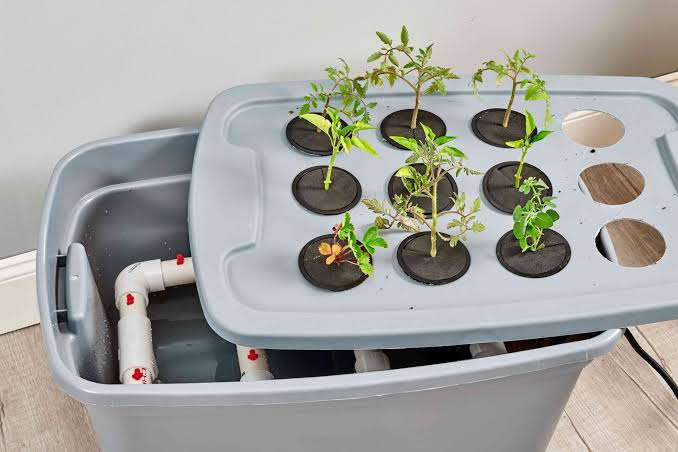
If you are completely new to hydroponics, avoid starting with an overly complicated setup.
A simple Kratky-style container can be a useful introduction because it does not require a continuously running water pump. Deep Water Culture is another popular beginner option and can be expanded as you gain experience.
The best system is the one you can understand, monitor, and maintain consistently.
How Much Light Does an Indoor Hydroponic Garden Need?
Light requirements depend on the plants you grow.
Leafy greens and herbs generally require less intense lighting than many fruiting plants. A quality LED grow light can provide consistent illumination when natural sunlight is insufficient.
Keep the light close enough to provide useful intensity but far enough away to avoid excessive heat or leaf damage.
Always follow the recommendations for the specific grow light you are using.
How Often Should You Change Hydroponic Water?
The frequency of changing nutrient solution depends on the system, crop, container size, temperature, and water consumption.
Rather than following one schedule for every setup, monitor the water level and condition of the solution.
A complete solution change may periodically help maintain a more consistent nutrient environment. Between changes, use appropriate water and nutrient management practices.
How to Keep a DIY Hydroponic Garden Clean
Cleanliness is extremely important for indoor hydroponic gardening.
Remove dead leaves and plant debris from the system. Clean containers and equipment between growing cycles.
If algae appears, reduce light exposure to the nutrient solution and clean affected surfaces.
Always follow safe cleaning practices and rinse equipment thoroughly when appropriate before returning plants to the system.
Common Indoor Hydroponic Garden DIY Mistakes
Using Too Many Nutrients
More nutrients do not automatically mean faster growth. Follow the product instructions and avoid excessive concentrations.
Not Checking pH
Plants may struggle to access nutrients if the water chemistry is unsuitable.
Poor Lighting
A bright-looking room does not necessarily provide enough usable light for plants. A suitable grow light may be necessary.
Letting Roots Become Unhealthy
Roots need both moisture and oxygen. Stagnant or poorly oxygenated conditions can create problems.
Choosing Large Plants Too Early
Tomatoes, peppers, and other large crops can require more space, support, light, and nutrient management than beginner leafy greens.
Ignoring Water Temperature
Very warm nutrient solution can hold less dissolved oxygen and may create a less favorable environment for roots.
How to Make Your Indoor Hydroponic Garden Look Beautiful
A hydroponic setup does not have to look like a collection of plastic containers.
Place your system on a dedicated plant shelf or clean countertop. Use matching containers where practical and organize cables neatly.
You can also grow herbs in a small vertical arrangement or create a dedicated kitchen herb station.
A clean, organized indoor hydroponic garden DIY setup can become both a useful growing system and an attractive part of your home.
Indoor Hydroponic Garden DIY on a Budget
You do not have to spend a lot of money when starting.
Begin with a small system and grow only a few plants. Reuse suitable food-safe containers when appropriate, while investing in reliable hydroponic nutrients and adequate lighting.
Starting small also lets you learn how water, nutrients, light, and roots work together before spending money on a larger system.
Frequently Asked Questions
Is an indoor hydroponic garden good for beginners?
Yes. Beginners can start with simple systems such as Kratky or Deep Water Culture and grow easy crops such as lettuce and herbs. Starting small makes it easier to learn how to manage water, nutrients, light, and plant health.
What is the easiest plant to grow hydroponically indoors?
Lettuce, basil, mint, arugula, and some other leafy greens and herbs are popular beginner choices. Choose plants that match the size and lighting conditions of your system.
Can I build an indoor hydroponic garden without expensive equipment?
Yes. A basic indoor hydroponic garden DIY system can be made with relatively simple materials. However, you still need to provide appropriate nutrients, water, oxygen where required, and sufficient light for healthy growth.
Does hydroponic gardening use less water than soil gardening?
Hydroponic systems can use water efficiently because the growing solution can be contained and reused within certain systems. Actual water use varies depending on the design, crop, evaporation, leaks, and how the system is managed.
Final Thoughts
An indoor hydroponic garden can be a great way to grow fresh plants at home without needing a traditional garden or much outdoor space. With the right setup, you can enjoy growing herbs, leafy greens, and other plants throughout the year.
The best thing is that you can start small and choose a simple system that fits your space and experience. Once you understand the basics of water, nutrients, light, and plant care, hydroponic gardening becomes much easier.
With a little patience and regular care, an indoor hydroponic garden can add fresh greenery to your home while giving you the satisfaction of growing your own plants