

Indoor plants are a great way to bring a fresh and relaxing feel into your home, but not everyone has the time to take care of them every day. That’s why low maintenance indoor plants are such a popular choice. They can stay healthy with minimal care, making them perfect for busy people and beginners.
There are many indoor plants that don’t need constant watering or special attention to grow well. Choosing the right one can help you enjoy beautiful greenery without worrying about complicated care routines or spending too much time maintaining them.
In this guide, I’ll share some of the best low maintenance indoor plants along with simple care tips to help you keep them healthy. Whether you’re decorating your living room, bedroom, or office, these plants can add a natural touch to any space with very little effort.
What Makes Indoor Plants Low Maintenance?
Not every houseplant requires the same level of attention. Some need frequent watering, high humidity, regular pruning, and carefully controlled temperatures. Others are much more adaptable.
The easiest indoor plants low maintenance are usually varieties that tolerate occasional missed watering, adapt to normal household temperatures, and do not require constant pruning.
However, low maintenance does not mean completely maintenance-free. Every living plant needs light, water, suitable soil, and basic attention.
The best approach is to choose a plant that matches your home rather than trying to change your home completely for the plant.
19 Indoor Plants Low Maintenance for Different Rooms
Different rooms have different lighting, humidity, and space conditions. The following plants can help you choose greenery according to the area where you want to place it.
1. Snake Plant
Snake plants are among the most forgiving houseplants available. Their tall, upright leaves work especially well in bedrooms, living rooms, hallways, and office corners.
They can tolerate lower light conditions, although brighter indirect light can support better growth. Allow the soil to dry between waterings and avoid keeping the roots constantly wet.
Their architectural shape also makes them excellent for modern interiors.
2. ZZ Plant
The ZZ plant is a strong choice for people who occasionally forget about their plants.
Its thick stems and glossy leaves give it an attractive appearance, while its ability to tolerate periods of dryness makes it relatively easy to manage.
Place it in indirect light and water when the soil has dried sufficiently.
For dark corners that still receive some natural light, the ZZ plant can be a particularly useful option.
3. Pothos
Pothos is a versatile trailing plant that can be displayed on shelves, bookcases, plant stands, or hanging baskets.
It can tolerate a range of indoor lighting conditions and is generally forgiving about watering mistakes.
Trim the vines when they become too long, or allow them to trail naturally for a relaxed appearance.
4. Spider Plant
Spider plants are recognizable by their long, narrow leaves and small plantlets that develop along their stems.
They can grow well in bright indirect light and may also tolerate lower light. Avoid leaving the roots in standing water.
Spider plants are particularly attractive in hanging containers and are a good choice for beginners.
5. Cast Iron Plant
If you have a room with limited natural light, the cast iron plant can be worth considering.
It is known for its tolerance of lower-light indoor environments and its ability to handle occasional neglect.
Its broad green leaves can add a lush appearance to darker areas of a home.
6. Chinese Evergreen
Chinese evergreen varieties are popular for their attractive foliage and adaptable nature.
Depending on the variety, the leaves may have green, silver, cream, or patterned markings.
They generally prefer indirect light and moderate watering. Avoid keeping the soil saturated for extended periods.
7. Heartleaf Philodendron
Heartleaf philodendron has attractive heart-shaped leaves and a trailing growth habit.
It works beautifully in hanging baskets or on high shelves where its vines can cascade downward.
Provide bright indirect light for strong growth, although it can tolerate lower light. Water when the upper layer of soil begins to dry.
8. Rubber Plant
Rubber plants have large, glossy leaves that create a bold focal point.
They generally prefer bright indirect light and a stable indoor environment. Water when the soil has dried somewhat and make sure the container drains well.
Because rubber plants can grow larger than some other options, they are better suited to rooms with enough floor space.
9. Aloe Vera
Aloe vera is a practical choice for bright rooms and sunny windowsills.
Its thick leaves store water, meaning it usually does not need frequent watering. Allow the soil to dry between waterings and use a fast-draining growing medium.
Avoid keeping aloe vera in constantly wet soil.
10. Haworthia
Haworthia is a small succulent that works well for desks, shelves, windowsills, and small apartments.
It prefers bright light and well-draining soil. Because of its compact size, it is useful when you want greenery without taking up much room.
11. Jade Plant
Jade plants are compact succulents with thick leaves and sturdy stems.
They prefer bright light and relatively dry conditions between waterings. A pot with drainage holes is essential.
With the right placement, jade plants can remain attractive for a long time with a simple care routine.
12. Dracaena
Dracaena comes in many forms, making it possible to find varieties suitable for both small and large spaces.
It generally prefers indirect light and moderate watering. Avoid placing it in areas with extreme temperature changes.
Its upright growth makes it particularly useful for adding height to a room.
13. Parlor Palm
The parlor palm can add a soft, tropical appearance to an indoor space.
It generally prefers bright indirect light but can tolerate lower light than many sun-loving plants.
Keep the soil moderately moist while avoiding excessive water. It can work particularly well in living rooms and offices.
14. Peperomia
Peperomia includes many compact varieties with interesting leaf shapes and colors.
These plants are suitable for desks, shelves, side tables, and small containers.
Allow the soil to dry somewhat between waterings and provide bright indirect light for healthy growth.
15. Lucky Bamboo
Lucky bamboo is often grown in water or suitable growing media and is popular for desks and decorative containers.
Keep it away from harsh direct sunlight and maintain a stable indoor environment.
Its compact size makes it useful for small rooms where floor space is limited.
16. Ponytail Palm
Despite its name, ponytail palm is actually a succulent-like plant with a distinctive swollen base and long, narrow leaves.
It stores water and therefore does not require frequent watering.
Bright light is ideal, and the soil should dry between waterings. It can make a striking statement on a sunny shelf or floor.
17. Prayer Plant
Prayer plants are attractive because of their patterned leaves and interesting movement.
They can require more attention than snake plants or ZZ plants, especially regarding moisture and humidity, but they can still be manageable when placed in a suitable environment.
Bright indirect light and consistent but not excessive moisture can support healthy growth.
18. English Ivy
English ivy produces attractive trailing vines that can work well in hanging containers.
It generally appreciates bright indirect light and should not be allowed to remain in waterlogged soil.
Regular trimming can keep the vines under control and encourage a tidy shape.
19. Peace Lily
Peace lilies are known for their dark foliage and white flower-like blooms.
They generally prefer indirect light and more consistent moisture than succulents. Allowing the plant to dry out completely too frequently may cause wilting.
If you want flowers as well as foliage, a peace lily can be an attractive indoor option.
Best Indoor Plants Low Maintenance for Beginners
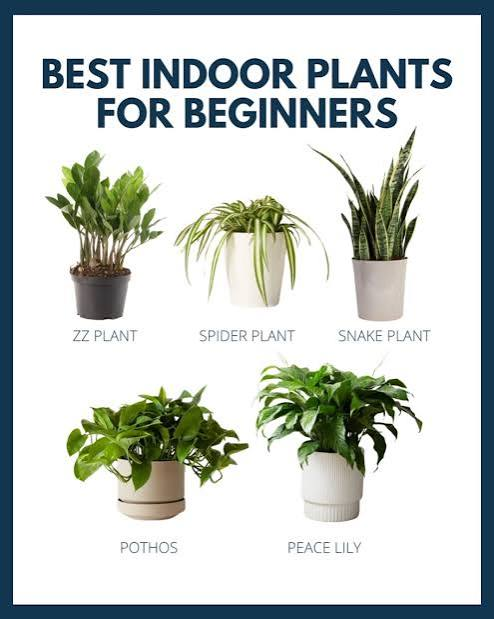
If you are buying your first houseplants, start with varieties that can tolerate occasional mistakes.
Snake plants, ZZ plants, pothos, spider plants, cast iron plants, and Chinese evergreens are among the easiest choices.
These indoor plants low maintenance can help beginners learn basic plant-care skills without requiring an advanced routine.
Start with one or two plants rather than filling your home with many varieties immediately. Once you understand how light and watering work in your space, you can gradually add more.
Best Indoor Plants Low Maintenance for Low-Light Rooms
Not every home has large sunny windows. Fortunately, some plants can tolerate lower-light conditions.
Good options include:
- Snake plant
- ZZ plant
- Cast iron plant
- Chinese evergreen
- Pothos
- Dracaena
- Parlor palm
Keep in mind that low light does not mean complete darkness. Plants still require some light to grow.
If a room receives almost no natural light, you may need artificial grow lighting rather than relying on a low-light-tolerant plant alone.
Best Indoor Plants Low Maintenance for Small Apartments
Small apartments can still have plenty of greenery if you choose plants based on size and growth habit.
Compact options such as haworthia, peperomia, jade plants, lucky bamboo, and spider plants can work well on desks and shelves.
Trailing plants such as pothos and heartleaf philodendron can use vertical space rather than valuable floor space.
Tall varieties such as snake plants can also fit into narrow corners without spreading widely.
Best Indoor Plants Low Maintenance for Bedrooms
Bedrooms often benefit from plants with simple care requirements.
Snake plants, ZZ plants, spider plants, and small pothos plants can fit naturally into bedroom interiors.
Place plants where they receive suitable light and where watering will be convenient. Avoid putting large containers in locations where they could easily be knocked over.
The most important thing is to choose plants that suit the actual lighting conditions of your bedroom.
Best Indoor Plants Low Maintenance for Offices
Office plants should ideally tolerate occasional neglect because work schedules can make regular plant care difficult.
ZZ plants, snake plants, pothos, Chinese evergreens, and lucky bamboo can be practical options for desks and office corners.
For a desk, choose a compact plant that does not interfere with your workspace. For a larger office, taller varieties can create a stronger visual impact.
How to Care for Indoor Plants Low Maintenance
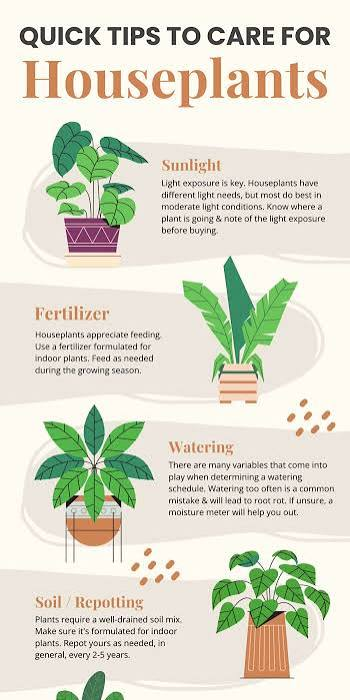
Even easy-care houseplants need the basics.
Check the Light First
Before buying a plant, observe your room at different times of the day.
A bright window may provide strong sunlight, while another room may receive only filtered light.
Match the plant to the available light instead of choosing a plant first and hoping it adapts.
Do Not Water on a Fixed Schedule
One of the biggest beginner mistakes is watering every plant on the same day each week.
Instead, check the soil.
Succulents may need long periods between watering, while plants such as peace lilies may need more consistent moisture.
Use Containers With Drainage
A drainage hole allows excess water to escape.
Without proper drainage, even a plant that is considered easy-care can develop root problems.
Choose Suitable Soil
Use a potting mix designed for indoor plants.
Succulents and cacti generally benefit from faster-draining mixes, while tropical foliage plants may prefer a mix that retains moderate moisture.
Keep Plants Away From Extreme Temperatures
Avoid placing plants directly beside heating vents, radiators, air conditioners, or drafty doors.
Sudden temperature changes can stress plants even when their basic care is otherwise correct.
How to Arrange Indoor Plants for a Better-Looking Home
Plant placement can make a major difference to your interior.
Use tall plants such as rubber plants, dracaena, and snake plants to fill empty corners.
Place pothos or philodendrons on shelves where their vines can hang downward.
Use small plants such as haworthia, peperomia, and jade plants on desks and side tables.
For a more natural appearance, combine plants with different heights, leaf shapes, and textures instead of placing identical plants together.
Signs Your Indoor Plant Needs Attention
Your plants can communicate problems through their leaves and growth.
Yellow Leaves
Yellowing can be caused by overwatering, poor drainage, natural aging, or other environmental problems.
Brown Leaf Tips
Brown tips may occur because of dry air, inconsistent watering, excessive fertilizer, or other stress.
Drooping Leaves
Drooping may indicate underwatering, overwatering, temperature stress, or root problems.
Leggy Growth
Long, stretched stems often indicate insufficient light.
Slow Growth
Slow growth can be normal during certain seasons, but it may also indicate poor light, nutrient issues, unsuitable temperatures, or root problems.
Do not change everything at once. Check the plant’s environment and identify the most likely cause first.
Common Mistakes With Indoor Plants
Choosing indoor plants low maintenance does not guarantee success if basic mistakes are made.
Overwatering
More water does not automatically mean faster growth. Many houseplants are damaged by consistently wet soil.
Ignoring Natural Light
A plant cannot remain healthy in complete darkness simply because it is labeled low-light tolerant.
Using Decorative Pots Without Drainage
If an outer decorative container does not have a drainage hole, make sure the inner pot can drain properly and that excess water is emptied.
Overfertilizing
Too much fertilizer can damage roots and create salt buildup in the soil.
Moving Plants Too Often
Constant changes in light and temperature can stress plants. Find a suitable position and allow the plant time to adapt.
How to Build a Simple Indoor Plant Collection
If you are starting from scratch, choose plants for different purposes.
For a tall corner, try a snake plant or dracaena.
For a shelf, choose pothos or heartleaf philodendron.
For a sunny windowsill, consider aloe vera, jade, or haworthia.
For a darker room, choose a ZZ plant, cast iron plant, or Chinese evergreen.
This approach creates variety while keeping your collection manageable.
Indoor Plant Care Schedule
You do not need to spend hours every day caring for houseplants.
Once or Twice a Week
Check soil moisture and inspect leaves for visible problems.
Every Few Weeks
Rotate plants that lean toward windows, remove dead leaves, and check for pests.
Every Few Months
Assess whether the plants have outgrown their containers and whether their soil still drains properly.
During Active Growth
Consider appropriate fertilization according to the plant’s needs and the fertilizer instructions.
The exact schedule will vary, but a simple routine can prevent many common problems.
Frequently Asked Questions About Indoor Plants Low Maintenance
What are the easiest indoor plants to care for?
Snake plants, ZZ plants, pothos, spider plants, cast iron plants, and Chinese evergreens are popular choices for beginners because they can tolerate a range of indoor conditions.
What indoor plants need the least water?
Snake plants, ZZ plants, aloe vera, jade plants, haworthia, and ponytail palms generally tolerate longer periods between watering than many moisture-loving houseplants.
Which indoor plants are best for low light?
Snake plants, ZZ plants, cast iron plants, Chinese evergreens, pothos, and some dracaena varieties can tolerate lower indoor light.
Are indoor plants really low maintenance?
Some are. However, even indoor plants low maintenance still need appropriate light, water, soil, and occasional attention.
How often should I water low-maintenance indoor plants?
There is no universal schedule. Check the soil before watering because different plants and rooms dry at different rates.
What is the best low-maintenance plant for a bedroom?
Snake plants and ZZ plants are popular choices because they have relatively simple care requirements and can work well in many indoor environments.
What is the best low-maintenance plant for a small apartment?
Pothos, spider plants, snake plants, peperomia, haworthia, and jade plants can work well when space is limited.
Can low-maintenance plants survive without sunlight?
Plants need light to photosynthesize. Some tolerate lower light, but no houseplant can thrive indefinitely in complete darkness. Artificial grow lights may be necessary in very dark rooms.
Why are my indoor plant leaves turning yellow?
Yellow leaves can have several causes, including overwatering, poor drainage, insufficient light, natural aging, or environmental stress. Check the plant’s conditions before changing its care routine.
Do low-maintenance indoor plants need fertilizer?
Many benefit from occasional feeding during active growth, but the amount and frequency depend on the plant. Always follow the fertilizer label.
Final Thoughts
Low maintenance indoor plants are a great choice if you want to enjoy greenery without spending a lot of time on plant care. They are easy to manage and can fit into almost any home, making them perfect for beginners as well as experienced plant lovers.
The most important thing is to choose a plant that suits your space and give it the basic care it needs. Simple habits like watering at the right time and placing the plant in suitable light can help it stay healthy and continue growing well.
I hope this guide has helped you discover the best low maintenance indoor plants for your home. With the right plant and a little care, you can enjoy a fresh, welcoming space and the beauty of indoor greenery for years to come.