

Taking care of a money tree doesn’t have to be complicated. As long as you provide the right light, avoid overwatering, and give it a little attention from time to time, it can grow healthy and stay beautiful for years. Even small changes in your care routine can make a big difference.
I hope these simple money tree plant care tips help you keep your plant happy and thriving. With a little patience and regular care, your money tree can become a beautiful part of your home and continue to grow well over time.
What Are Low Maintenance Plants?
Low maintenance plants are plants that generally require less regular attention than varieties with demanding growing requirements. They may tolerate occasional dry soil, require limited pruning, grow well in average indoor conditions, or adapt to a wider range of environments.
However, low maintenance does not mean completely maintenance-free. Every plant needs suitable light, water, soil, and occasional care. The advantage is that these plants are usually more forgiving when you make small mistakes.
The best low maintenance plants are those that naturally fit the conditions of your home or garden. A plant that receives the right amount of light and water will usually need much less attention than a plant growing in unsuitable conditions.
Why Choose Low Maintenance Plants?
There are many reasons to choose low maintenance plants for your home and garden. They are especially useful for people who have busy schedules or are new to gardening.
Low Maintenance Plants Save Time
One of the biggest benefits is that they can reduce the amount of time you spend watering, pruning, fertilizing, and repotting. Many easy-care varieties can continue growing well with a simple routine.
Low Maintenance Plants Are Great for Beginners
New gardeners sometimes worry about accidentally damaging their plants. Starting with forgiving varieties can make the learning process easier and more enjoyable.
Low Maintenance Plants Work Well in Apartments
Many varieties can grow successfully in containers, making them suitable for apartments, dorm rooms, offices, and small homes. You can create a green indoor space without needing a large garden.
Low Maintenance Plants Can Reduce Watering
Some varieties, especially succulents and drought-tolerant plants, can store water or tolerate periods of dry soil. This can be helpful if you frequently forget to water your plants.
21 Best Low Maintenance Plants
If you want attractive greenery without a complicated routine, these 21 low maintenance plants are worth considering.
1. Snake Plant
The snake plant is one of the most popular easy-care houseplants. Its tall, upright leaves provide a modern and attractive appearance, making it suitable for bedrooms, living rooms, offices, and hallways.
Snake plants can tolerate lower light conditions and generally do not need frequent watering. Allowing the soil to dry between waterings can help prevent root problems.
For beginners who occasionally forget to water, the snake plant is one of the best low maintenance plants to start with.
2. ZZ Plant
The ZZ plant is known for its glossy green foliage and ability to tolerate periods of neglect. It can handle lower indoor light and does not require frequent watering.
Place it in bright indirect light for stronger growth, although it can tolerate lower light as well. Allow the soil to dry between waterings.
Its forgiving nature makes the ZZ plant an excellent option among low maintenance plants for offices and busy homes.
3. Pothos
Pothos is a popular trailing houseplant with attractive heart-shaped leaves. It can grow in a variety of indoor environments and looks beautiful in hanging baskets, shelves, and plant stands.
Bright indirect light generally supports healthy growth, but pothos can also tolerate lower light. Water when the soil begins to dry.
Its adaptability and easy propagation make pothos one of the most useful low maintenance plants for indoor gardening.
4. Spider Plant
Spider plants have long, arching leaves and often produce small plantlets along their stems. These features make them attractive in hanging baskets and containers.
They generally prefer bright indirect light but can tolerate lower light conditions. Keep the soil moderately moist without leaving the roots constantly wet.
Spider plants are especially suitable for beginners looking for simple low maintenance plants.
5. Aloe Vera
Aloe vera is a popular succulent with thick leaves that store water. Because of this, it can tolerate periods of dry soil better than many moisture-loving plants.
It prefers bright light and well-draining soil. Overwatering is one of the main problems to avoid.
Aloe vera is one of the best low maintenance plants for a sunny windowsill or bright indoor space.
6. Jade Plant
Jade plants are attractive succulents with thick leaves and sturdy stems. They prefer bright light and well-draining soil.
Because jade plants store water in their leaves, they generally do not need frequent watering. Allow the soil to dry between waterings.
With suitable light and drainage, jade plants can remain attractive for many years.
7. Rubber Plant
Rubber plants have large, glossy leaves that can make a strong visual statement indoors. They generally prefer bright indirect light and moderate watering.
Although they may need more attention than some succulents, they can still be relatively easy to maintain when placed in the right environment.
Wipe the leaves occasionally to remove dust and keep the foliage looking fresh.
8. Peace Lily
Peace lilies are popular indoor plants with dark green leaves and attractive white flower-like structures.
They prefer indirect light and generally appreciate consistent moisture. They can be a little more water-demanding than succulents, so check the soil regularly.
A peace lily can be a good choice if you want an attractive plant without an extremely complicated care routine.
9. Cast Iron Plant
The cast iron plant is known for its toughness and ability to tolerate lower light conditions. It is particularly useful for darker rooms where many other plants may struggle.
Avoid keeping the soil constantly saturated and allow excess water to drain properly.
Its forgiving nature makes it one of the classic low maintenance plants for challenging indoor spaces.
10. Chinese Evergreen
Chinese evergreen is valued for its attractive foliage and ability to adapt to indoor environments.
Depending on the variety, its leaves can have green, silver, cream, or patterned markings. It can work well in bedrooms, offices, living rooms, and hallways.
Provide indirect light and avoid extreme temperature changes.
11. Lucky Bamboo
Lucky bamboo is a popular decorative indoor plant that can be grown in water or suitable growing media depending on the setup.
It is commonly used on desks, shelves, and tables. Keep the plant away from intense direct sunlight and maintain a stable environment.
For people who want attractive greenery in a small space, lucky bamboo can be a simple option.
12. Haworthia
Haworthia is a small succulent that is especially useful for desks, shelves, windowsills, and small containers.
It generally prefers bright light and well-draining soil. Water only when the soil has dried sufficiently.
Its compact size and simple requirements make it a good choice for people searching for low maintenance plants for small spaces.
13. Echeveria
Echeveria is known for its beautiful rosette-shaped leaves and compact growth.
It prefers plenty of bright light and excellent drainage. Like many succulents, it is more likely to suffer from excessive moisture than from occasional dryness.
Echeveria can add color, texture, and structure to a sunny windowsill or container garden.
14. Philodendron
Philodendrons are popular houseplants because many varieties adapt well to indoor conditions.
Trailing types can be displayed in hanging baskets, while upright varieties can add height to rooms and corners.
Provide suitable indirect light and water when the soil begins to dry. Their adaptable nature makes many philodendron varieties excellent low maintenance plants for homes.
15. Dracaena
Dracaena plants come in many varieties and can add height and tropical character to indoor spaces.
They generally prefer indirect light and moderate watering. Avoid keeping the soil excessively wet.
With appropriate placement and basic care, dracaena can remain attractive without requiring constant attention.
16. Boston Fern
Boston ferns can require more moisture than some plants on this list, but they can still be relatively manageable in a suitable environment.
They prefer indirect light and consistent moisture. A naturally humid bathroom can be an excellent location.
If the air in your home is very dry, additional humidity may help the fern remain healthy.
17. English Ivy
English ivy is known for its attractive trailing growth. It can be displayed in hanging baskets or allowed to trail from shelves.
Provide suitable light, avoid excessive watering, and prune occasionally to maintain its shape.
Because it can grow vigorously under good conditions, regular trimming may be helpful.
18. Geranium
Geraniums are colorful flowering plants that can be relatively easy to grow in sunny conditions.
They can work well in containers, balconies, patios, and garden beds. Give them sufficient sunlight and well-draining soil.
Removing faded flowers can help maintain a neat appearance and encourage additional blooms.
19. Lavender
Lavender is a fragrant outdoor plant that can be relatively easy to maintain once established in the right location.
It prefers plenty of sunlight and well-draining soil. Avoid areas where water collects around the roots.
Lavender is an excellent choice for sunny borders, containers, and gardens where fragrance is desired.
20. Sedum
Sedum includes many hardy succulent varieties that tolerate relatively dry conditions.
They can be used in rock gardens, containers, borders, and other areas where drought-tolerant plants are useful.
Provide plenty of suitable sunlight and well-draining soil for healthy growth.
21. Marigold
Marigolds are bright flowering plants that can add cheerful color to garden beds and containers.
They generally perform well with suitable sunlight and moderate watering. Removing faded flowers can help keep the plant looking tidy.
Marigolds are a practical choice for gardeners who want colorful flowers without an overly complicated routine.
Best Low Maintenance Plants for Beginners
If you are new to gardening, choosing forgiving varieties can make the experience much easier.
Some of the best low maintenance plants for beginners include:
- Snake plant
- ZZ plant
- Pothos
- Spider plant
- Aloe vera
- Jade plant
- Cast iron plant
- Chinese evergreen
These plants can help beginners learn basic skills such as checking soil moisture, understanding light requirements, and using containers with proper drainage.
Best Low Maintenance Plants for Indoor Spaces
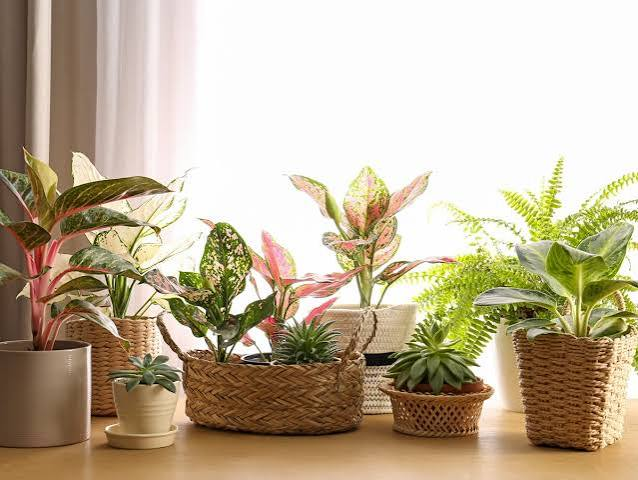
Indoor spaces can benefit from plants that tolerate average household conditions.
Snake plants, ZZ plants, pothos, spider plants, philodendrons, rubber plants, Chinese evergreens, and dracaena are popular choices.
When choosing low maintenance plants for your home, always consider the amount of natural light available. A plant described as easy-care will still struggle if it is placed in complete darkness.
Best Low Maintenance Plants for Low Light
Some rooms receive less natural sunlight than others. Fortunately, several low maintenance plants can tolerate lower light conditions.
Good options include:
- Snake plant
- ZZ plant
- Cast iron plant
- Chinese evergreen
- Pothos
- Some dracaena varieties
Remember that low light does not mean no light. Plants still need some light to perform photosynthesis and maintain healthy growth.
Best Low Maintenance Plants for Sunny Areas
Sunny windowsills, balconies, patios, and outdoor gardens can be excellent locations for sun-loving varieties.
Aloe vera, jade plant, echeveria, haworthia, lavender, and sedum can be suitable choices when their soil and watering needs are properly managed.
Many succulents are among the easiest low maintenance plants for bright areas because they can tolerate periods of dry soil.
Best Low Maintenance Plants for Small Apartments
Small spaces can still have plenty of greenery. Choose compact plants or varieties that can grow vertically or in containers.
Good choices include:
- Snake plant
- ZZ plant
- Pothos
- Spider plant
- Haworthia
- Echeveria
- Lucky bamboo
These low maintenance plants can be placed on shelves, desks, windowsills, plant stands, or hanging baskets.
How to Care for Low Maintenance Plants
Even easy-care varieties need basic care to stay healthy.
Give Low Maintenance Plants the Right Light
Every plant has different lighting requirements. Some tolerate shade, while others need bright sunlight.
Before choosing a location, check whether the plant prefers low, medium, bright indirect, or direct light.
Water Low Maintenance Plants Correctly
Avoid following the same watering schedule for every plant.
Instead, check the soil before watering. Succulents may need much less water than tropical houseplants.
Use Well-Draining Soil
Good drainage is essential for many easy-care varieties. Choose soil appropriate for the plant and make sure the container has drainage holes.
Choose the Right Pot
The pot should be appropriate for the plant’s size and should allow excess water to escape.
A container that is much too large can hold excess moisture and increase the risk of root problems.
Fertilize When Necessary
Many indoor plants need only occasional feeding during active growth. Follow the fertilizer instructions and avoid applying excessive amounts.
Prune and Clean When Needed
Remove dead or damaged leaves and trim plants when necessary. Wiping dusty foliage can also improve their appearance.
How to Choose the Best Low Maintenance Plants
The easiest way to choose low maintenance plants is to start with your environment rather than choosing a plant based only on appearance.
Consider the following factors:
Light
Determine how much natural light your space receives.
Watering
If you often forget to water, choose varieties that tolerate dry conditions.
Space
For a small apartment, choose compact or trailing varieties rather than plants that eventually become very large.
Climate
Outdoor plants should match your local temperatures and seasonal conditions.
Time
Think honestly about how much time you want to spend watering, pruning, fertilizing, and repotting.
The right match between plant and environment is what makes gardening genuinely easy.
Common Mistakes When Growing Low Maintenance Plants
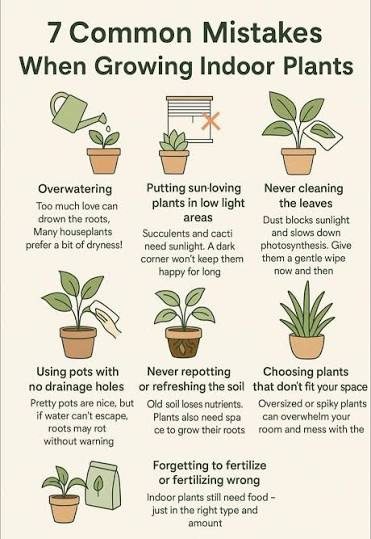
Even low maintenance plants can struggle if their basic requirements are ignored.
One of the most common mistakes is overwatering. Many beginners assume that watering more frequently will help plants grow faster, but constantly wet soil can cause serious root problems.
Another common mistake is choosing the wrong location. A plant that prefers bright light may become weak in a dark room, while a shade-tolerant plant can suffer from intense direct sunlight.
Using a container without drainage holes is another problem. Excess water needs somewhere to escape.
Finally, avoid assuming that an easy-care plant requires no attention. Regularly checking the leaves, soil, and overall growth can help you identify problems early.
Frequently Asked Questions About Low Maintenance Plants
What Are the Best Low Maintenance Plants for Beginners?
Snake plants, ZZ plants, pothos, spider plants, and aloe vera are popular low maintenance plants for beginners because they are generally forgiving and do not require complicated routines.
What Low Maintenance Plants Need Little Water?
Aloe vera, jade plants, echeveria, haworthia, and sedum can tolerate periods of dry soil and generally require less frequent watering than many tropical plants.
What Are the Best Low Maintenance Plants for Indoor Spaces?
Snake plants, ZZ plants, pothos, spider plants, Chinese evergreen, philodendrons, and dracaena are popular choices for indoor environments.
Can Low Maintenance Plants Survive in Low Light?
Some can tolerate lower light, including snake plants, ZZ plants, cast iron plants, and Chinese evergreens. However, no plant can grow indefinitely without light.
Are Succulents Low Maintenance Plants?
Many succulents are considered low maintenance plants because they store water in their leaves and can tolerate periods of dry soil. They generally need bright light and excellent drainage.
How Often Should I Water Low Maintenance Plants?
There is no single schedule. Check the soil before watering and consider the plant type, pot size, temperature, humidity, and amount of light.
What Are the Best Low Maintenance Plants for Apartments?
Snake plants, ZZ plants, pothos, spider plants, haworthia, echeveria, and lucky bamboo can work well in apartments because many varieties require limited space and relatively simple care.
Do Low Maintenance Plants Need Fertilizer?
Many can benefit from occasional fertilizer during active growth, but requirements vary. Always follow the instructions for the specific plant and fertilizer.
Are Low Maintenance Plants Completely Maintenance-Free?
No. All plants need some basic care. The term low maintenance means they generally require less attention than more demanding varieties.
How Can I Keep Low Maintenance Plants Healthy?
Provide the appropriate light, avoid overwatering, use suitable soil and drainage, remove damaged growth, and check your plants regularly. Choosing plants that match your environment is one of the easiest ways to keep them healthy.
Final Thoughts
Choosing low maintenance plants is a simple way to enjoy the beauty of nature without spending too much time on plant care. Even if you’re just starting your gardening journey, these plants are easy to manage and can grow well with a little attention.
The key is to pick plants that match your space and remember their basic needs, such as the right amount of light and watering. Once you get into a simple routine, keeping them healthy becomes much easier than you might expect.
I hope this guide helps you find the best low maintenance plants for your home or office. With the right choice and a little care, you can enjoy fresh greenery all year round and create a space that feels more welcoming and relaxing.