

If you’re looking for a beautiful indoor plant that is easy to grow, the money tree is a great choice. Many people love it because of its unique braided trunk and fresh green leaves that instantly make any room feel more lively. It doesn’t need a lot of attention, which makes it perfect for both beginners and experienced plant lovers.
Taking care of a money tree is not difficult once you understand its basic needs. With the right amount of light, water, and a little care, it can stay healthy and keep growing for years. In this guide, I’ll share simple money tree plant care tips that are easy to follow and can help you keep your plant looking its best.
What Is a Money Tree Plant?
The money tree is commonly known as Pachira aquatica. It is a tropical plant that naturally grows in warm, humid environments. As a houseplant, it is valued for its attractive foliage and distinctive trunk.
Money trees are often sold with several young trunks braided together. The braid is usually created while the stems are flexible, and it can become a recognizable feature of the mature plant.
Although the money tree is relatively easy to care for, it still needs suitable growing conditions. The goal is to recreate some of the warm, bright, and humid conditions it would experience naturally.
Money Tree Plant Care at a Glance
If you want a quick overview, the basic requirements are:
- Light: Bright, indirect light
- Water: Water when the upper soil becomes dry
- Soil: Well-draining, nutrient-rich potting mix
- Humidity: Moderate to high humidity is beneficial
- Temperature: Warm indoor temperatures
- Fertilizer: Balanced fertilizer during active growth
- Pruning: Occasional pruning to maintain shape
- Repotting: When the plant becomes root-bound or outgrows its pot
The exact requirements can vary depending on your indoor environment, season, and plant size.
How Much Light Does a Money Tree Need?
Light is one of the most important parts of successful money tree plant care. Money trees generally prefer bright, indirect light.
Place your plant near a bright window where it receives plenty of natural light without being exposed to intense direct sunlight for long periods. Strong direct sun, especially through glass during hot weather, can scorch the leaves.
If your home does not receive enough natural light, a suitable grow light can help support healthy growth.
Signs Your Money Tree Needs More Light
Your plant may need more light if you notice:
- Slow or weak growth
- Long spaces between leaves
- Small new leaves
- Leaning toward a window
- Pale-looking foliage
On the other hand, brown or scorched patches on the leaves can indicate that the plant is receiving too much intense direct sunlight.
How Often Should You Water a Money Tree?
Watering is one of the most important areas of money tree plant care, and overwatering is a common problem.
Instead of following a strict watering schedule, check the soil. Allow the upper portion of the soil to dry before watering again. The exact timing depends on temperature, humidity, pot size, soil type, and the amount of light your plant receives.
When watering, give the plant enough water to moisten the soil thoroughly and allow excess water to drain from the bottom of the pot.
Never allow the plant to sit in standing water for long periods.
Signs of Overwatering
An overwatered money tree may develop:
- Yellow leaves
- Soft or weak stems
- Drooping foliage
- Soil that remains wet for a long time
- Root problems
- An unpleasant smell from the soil
If the soil stays wet for an extended period, check the drainage and adjust your watering routine.
Signs of Underwatering
A money tree that is not receiving enough water may show:
- Dry or crispy leaf edges
- Drooping leaves
- Curling foliage
- Very dry soil
- Premature leaf drop
Always check the soil before watering rather than relying only on the appearance of the leaves.
What Is the Best Soil for a Money Tree?
Good drainage is essential for a healthy money tree. A heavy soil that holds too much water can increase the risk of root problems.
Choose a high-quality indoor potting mix that drains well. You can improve drainage by using a mix containing materials such as perlite or other suitable components that create air spaces in the soil.
The pot should also have drainage holes at the bottom.
A well-draining soil allows excess water to escape while retaining enough moisture for the roots.
What Temperature Does a Money Tree Need?
Money trees prefer warm conditions because they are tropical plants. Normal indoor temperatures are usually suitable as long as the plant is protected from extreme cold.
Keep your money tree away from:
- Cold drafts
- Very cold windows
- Air-conditioning vents
- Heating vents
- Sudden temperature changes
Consistent temperatures can help reduce stress and support healthy growth.
Humidity Requirements for a Money Tree
Humidity is another important factor in money tree plant care. Because money trees originate from tropical environments, they generally appreciate moderate to high humidity.
If your indoor air is very dry, especially during winter or when heating systems are running, you may notice dry leaf edges.
There are several ways to increase humidity around your plant:
- Use a humidifier
- Group plants together
- Place the plant in a naturally humid room
- Keep it away from direct heating vents
A humidifier is often one of the most effective options when indoor air is consistently dry.
How to Fertilize a Money Tree
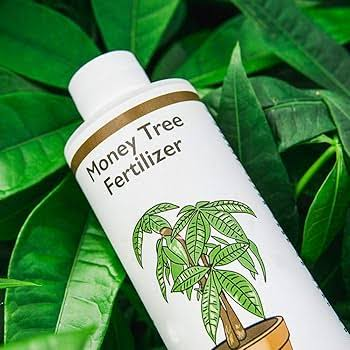
Money trees can benefit from regular feeding during their active growing period. A balanced houseplant fertilizer can provide nutrients needed for healthy foliage and growth.
Follow the instructions on the fertilizer label and avoid applying more than recommended. Excess fertilizer can build up in the soil and potentially damage the roots.
During periods of slower growth, the plant may require less fertilizer.
If you have recently repotted your money tree using fresh, nutrient-rich potting soil, you may not need to fertilize immediately.
How to Prune a Money Tree
Pruning helps maintain the plant’s shape and encourages a fuller appearance. It can also help remove damaged, dead, or unhealthy growth.
Use clean, sharp pruning scissors and remove unwanted branches carefully.
You can prune:
- Dead leaves
- Damaged branches
- Weak growth
- Overly long stems
- Branches growing in an unwanted direction
Avoid removing too much growth at once. Light, regular pruning is generally easier for the plant to tolerate.
How to Repot a Money Tree
Repotting becomes necessary when a money tree has outgrown its current container or when the soil no longer drains properly.
Signs that your plant may need repotting include:
- Roots growing through drainage holes
- Roots tightly filling the container
- Water passing through the pot unusually quickly
- Growth becoming unusually slow
- The plant becoming unstable in its pot
Choose a new pot that is only moderately larger than the current one. A pot that is excessively large can hold more soil and moisture than the plant needs, potentially increasing the risk of overwatering.
Always use fresh, well-draining potting mix when repotting.
How to Propagate a Money Tree
Money trees can be propagated from stem cuttings under suitable conditions. A healthy stem cutting can be placed in an appropriate propagation medium and kept warm and reasonably humid while roots develop.
Propagation requires patience because rooting speed can vary depending on temperature, light, humidity, and the health of the cutting.
If you are new to propagation, starting with a healthy parent plant and taking a suitable cutting can improve your chances of success.
Money Tree Plant Care in Different Seasons
Your plant’s needs can change throughout the year, so adjusting your care routine can be helpful.
Money Tree Care in Spring
Spring often brings increased light and active growth. Your money tree may begin producing new leaves, so monitor soil moisture and consider restarting regular fertilization if appropriate.
Money Tree Care in Summer
During summer, increased temperatures and brighter light can cause the soil to dry faster. Check the soil more frequently, but avoid watering simply because it is summer.
Protect the plant from harsh direct sunlight and excessive heat.
Money Tree Care in Fall
As light levels begin to decrease, growth may slow. Your plant may need less water than it did during the brighter months.
Money Tree Care in Winter
Winter indoor air can become dry because of heating systems. Monitor humidity and protect the plant from cold drafts.
Growth may slow significantly, so watering and fertilizing requirements can decrease.
Common Money Tree Problems
Even with good money tree plant care, problems can sometimes occur. Understanding common symptoms can help you identify what your plant needs.
Yellow Leaves
Yellow leaves can result from several issues, but overwatering is one of the most common causes.
Check the soil moisture, drainage, and watering habits before making changes.
Brown Leaf Tips
Brown tips may be related to dry air, inconsistent watering, excessive fertilizer, or other environmental stress.
Check humidity and watering first, then review the plant’s overall growing conditions.
Drooping Leaves
Drooping can occur because of underwatering, overwatering, temperature stress, or inadequate light.
Check the soil before watering. If it is wet, adding more water may make the problem worse.
Leaf Drop
A money tree may lose leaves when conditions change suddenly. Changes in light, temperature, watering, humidity, or location can cause stress.
Try to maintain consistent conditions and avoid moving the plant repeatedly.
Slow Growth
Slow growth can be normal during periods of low light or cooler temperatures. However, insufficient light, poor nutrition, root problems, or unsuitable soil can also contribute.
Make sure the plant receives adequate indirect light and that its roots are not sitting in constantly wet soil.
How to Make a Money Tree Grow Faster
If you want to encourage healthy growth, focus on providing stable conditions rather than trying to force rapid growth.
Give your money tree bright, indirect light, water it appropriately, use well-draining soil, maintain suitable humidity, and provide balanced fertilizer during active growth.
Pruning can also encourage a more attractive shape, while rotating the pot occasionally can help the plant receive light more evenly.
Healthy roots are the foundation of good growth, so avoid overwatering and make sure the container drains properly.
Where Should You Place a Money Tree?
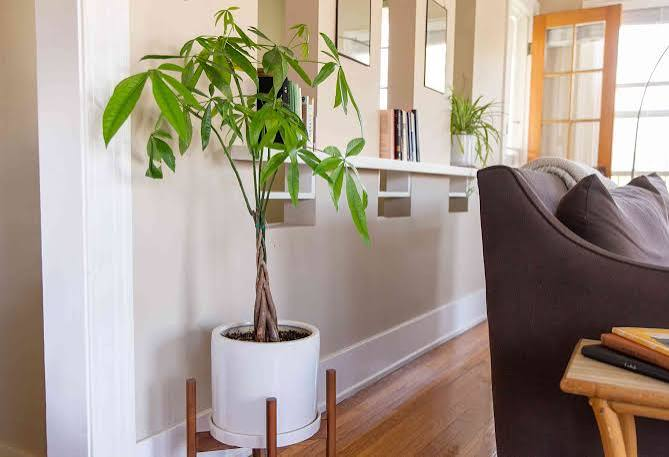
The best location is usually a bright indoor area with plenty of indirect light and stable temperatures.
A living room, home office, bedroom, or bright hallway can work well if the lighting conditions are appropriate.
Avoid placing the plant directly beside an air-conditioner, heater, or frequently opened exterior door.
A consistent environment is often better than constantly moving the plant from one location to another.
Can a Money Tree Grow in Low Light?
Money trees can tolerate less-than-ideal light for a period of time, but they generally grow better when provided with bright, indirect light.
Low light can result in slower growth and weaker stems. If your plant is consistently struggling in a dark location, consider moving it closer to a bright window or using a grow light.
Is a Money Tree Easy to Care For?
Yes, a money tree is generally considered a relatively easy houseplant when its basic requirements are met.
The most important things to remember are proper watering, bright indirect light, good drainage, warm temperatures, and suitable humidity.
The biggest mistake beginners often make is watering too frequently. Checking the soil before watering can help prevent this problem.
Money Tree Plant Care Tips for Beginners
If you are new to growing houseplants, keep these simple tips in mind:
- Place the plant in bright, indirect light.
- Check the soil before watering.
- Never allow excess water to remain in the saucer.
- Use a pot with drainage holes.
- Choose a well-draining potting mix.
- Keep the plant away from extreme temperatures.
- Provide additional humidity if indoor air is very dry.
- Fertilize during active growth according to the product instructions.
- Remove damaged leaves and branches.
- Repot only when necessary.
Following these basic practices can make money tree plant care much easier.
Frequently Asked Questions About Money Tree Plant Care
How often should I water a money tree?
Water when the upper portion of the soil has dried rather than following a fixed schedule. Your plant may need water more frequently in warm, bright conditions and less frequently during cooler or darker periods.
Does a money tree need direct sunlight?
Money trees generally prefer bright, indirect light. Too much intense direct sunlight can scorch their leaves, while very low light can slow growth.
Why are my money tree leaves turning yellow?
Yellow leaves can have several causes, but overwatering is a common problem. Check the soil moisture and drainage before watering again.
How do I make my money tree grow fuller?
Provide adequate indirect light, consistent care, suitable humidity, and occasional pruning. Rotating the plant can also help it grow more evenly.
Can a money tree grow indoors?
Yes. Money trees are commonly grown indoors and can thrive when provided with suitable light, watering, temperature, humidity, and drainage.
Does a money tree need humidity?
Money trees generally appreciate moderate to high humidity because they are tropical plants. If your indoor air is very dry, a humidifier can help.
When should I repot my money tree?
Repot when the plant becomes root-bound, roots grow through drainage holes, or the current soil no longer drains well. Choose a pot only slightly larger than the existing one.
Can I keep a money tree in a bedroom?
Yes, a bedroom can be a suitable location if it receives enough bright, indirect light and has stable temperatures.
How long can a money tree live?
With appropriate care and suitable growing conditions, a money tree can remain a healthy houseplant for many years.
What is the most important part of money tree plant care?
Proper watering and adequate light are two of the most important factors. Avoid keeping the soil constantly wet and provide plenty of bright, indirect light.
Final Thoughts
Taking care of a money tree doesn’t have to be complicated. As long as you provide the right light, avoid overwatering, and give it a little attention from time to time, it can grow healthy and stay beautiful for years. Even small changes in your care routine can make a big difference.
I hope these simple money tree plant care tips help you keep your plant happy and thriving. With a little patience and regular care, your money tree can become a beautiful part of your home and continue to grow well over time.