

Healthy plants don’t always need expensive chemical products to grow strong. In fact, many gardeners achieve better results by using natural fertilizers for plants that improve soil quality while feeding plants safely over time. Organic fertilizers not only supply essential nutrients but also help create healthier soil that supports long-term plant growth.
Whether you’re growing vegetables, flowers, herbs, fruit trees, or indoor plants, choosing natural fertilizers is a smart way to encourage steady growth without exposing your garden to harsh chemicals. Many natural fertilizers are easy to find, environmentally friendly, and safe for children, pets, and beneficial insects.
In this guide, you’ll learn how natural fertilizers work, why they are beneficial, and which options provide the best results for home gardens.
Why Choose Natural Fertilizers?
Unlike synthetic fertilizers that deliver nutrients quickly, natural fertilizers release nutrients gradually. This slow-release process allows plants to absorb what they need over time while improving soil structure.
Healthy soil contains beneficial microorganisms that break down organic matter and make nutrients available to plant roots. Natural fertilizers support these microorganisms instead of harming them, creating a balanced growing environment. Using natural fertilizers for plants is one of the easiest ways to build healthier soil and encourage long-lasting plant growth.
Some of the biggest advantages include:
- Improve soil fertility
- Encourage strong root development
- Support healthy microbial activity
- Reduce the risk of fertilizer burn
- Improve moisture retention
- Promote long-term plant health
- Environmentally friendly
Understanding Plant Nutrients
Every healthy plant depends on three primary nutrients:
Nitrogen (N)
Nitrogen encourages leafy green growth and helps plants produce healthy stems and foliage.
Phosphorus (P)
Phosphorus supports root development, flowering, and fruit production.
Potassium (K)
Potassium improves overall plant strength, disease resistance, and water regulation.
Natural fertilizers often provide these nutrients in balanced amounts while also supplying important trace minerals. Choosing the right natural fertilizers for plants ensures they receive these nutrients in a balanced and sustainable way.
1. Compost
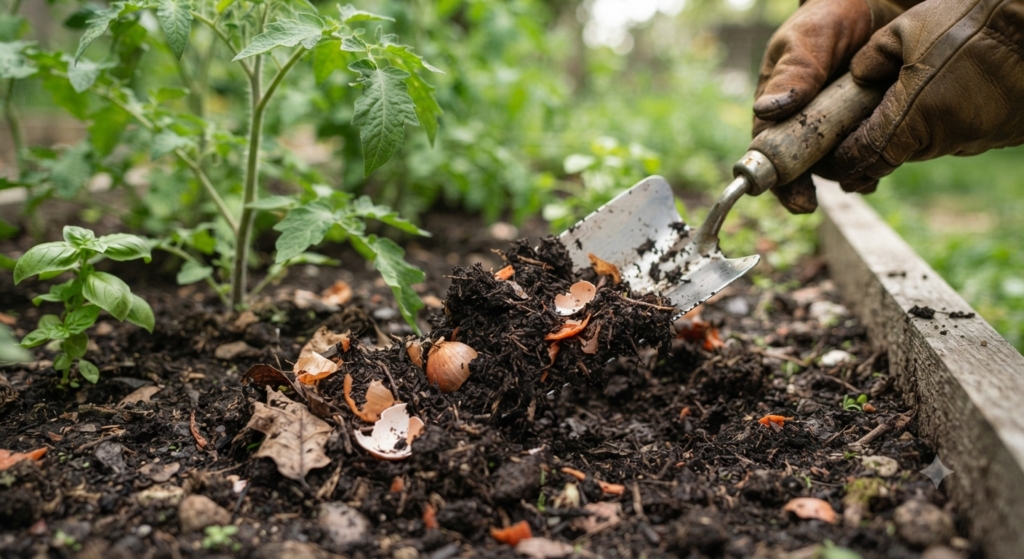
Compost is widely considered one of the best natural fertilizers for plants because it improves both soil structure and nutrient content.
Made from decomposed kitchen scraps, leaves, grass clippings, and garden waste, compost feeds plants while increasing beneficial microbial activity.
Adding compost to garden beds each growing season improves drainage, moisture retention, and overall soil fertility.
2. Well-Rotted Animal Manure
Properly composted animal manure is another excellent organic fertilizer.
Cow, horse, sheep, and chicken manure contain valuable nutrients that support healthy plant growth.
Always use aged or composted manure because fresh manure may contain excessive nitrogen and can damage young plants.
3. Worm Castings
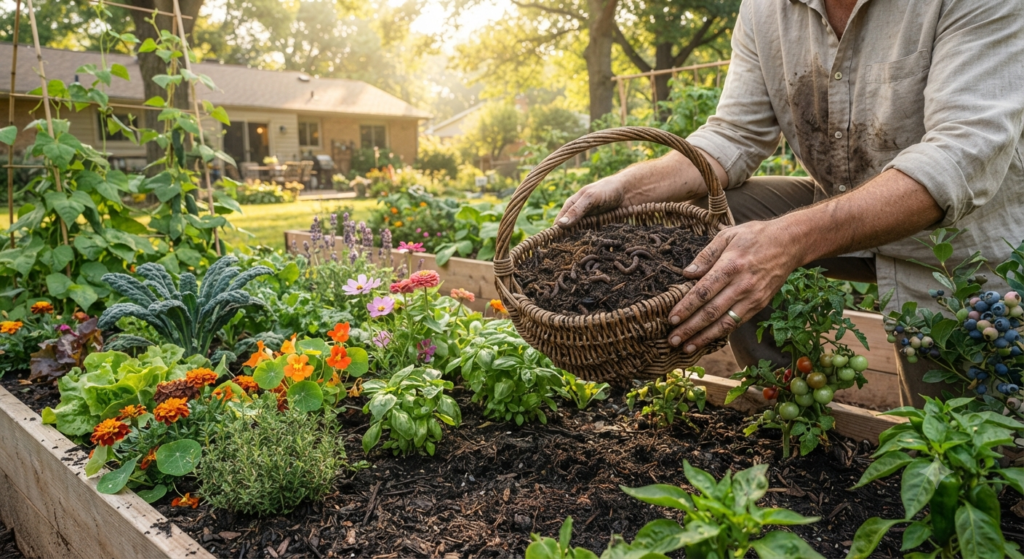
Worm castings are one of the richest natural soil amendments available.
Produced by earthworms, these tiny granules contain beneficial microbes, organic matter, and plant nutrients that improve soil health without burning roots.
Worm castings are especially popular for vegetable gardens, flowers, seedlings, and indoor plants.
4. Bone Meal
Bone meal is a natural fertilizer made from finely ground animal bones.
It provides phosphorus and calcium, making it ideal for encouraging healthy root systems, stronger flowers, and improved fruit production.
Many gardeners apply bone meal when planting bulbs, roses, and flowering shrubs.
5. Fish Emulsion
Fish emulsion is a liquid organic fertilizer made from processed fish.
It supplies nitrogen along with trace minerals that encourage lush green growth.
Because nutrients become available quickly, fish emulsion is commonly used for vegetables, herbs, and leafy plants during the growing season.
6. Seaweed Fertilizer
Seaweed fertilizer contains potassium and many beneficial micronutrients.
It helps plants tolerate drought, improves root growth, and encourages stronger flowering.
Liquid seaweed fertilizers are especially useful after transplanting because they reduce plant stress.
7. Coffee Grounds
Used coffee grounds can provide small amounts of nitrogen while improving soil texture.
Instead of applying large amounts directly around plants, mix coffee grounds into compost where they break down naturally.
This creates a balanced organic fertilizer that benefits many garden plants.
Tips for Using Natural Fertilizers Successfully
Applying more fertilizer doesn’t always produce better plants.
For the best results:
- Feed plants during their active growing season.
- Water after applying dry fertilizers.
- Follow recommended application amounts.
- Mix organic matter evenly into the soil.
- Observe plant growth and adjust feeding if necessary.
Using natural fertilizers for plants consistently produces healthier soil and stronger gardens over time.
8. Eggshells
Eggshells are a simple household waste that can benefit many garden plants. They contain calcium, which supports strong cell walls and healthy root development.
Wash the shells thoroughly, let them dry, and crush them into small pieces before mixing them into the soil or compost. They break down slowly, providing a gradual source of nutrients.
9. Banana Peels
Banana peels are rich in potassium, making them a useful addition to flower and fruit gardens.
Instead of placing whole peels directly around plants, chop them into small pieces and add them to compost. As they decompose, they release nutrients that improve soil quality and support healthy blooms.
10. Wood Ash
If you have a fireplace or fire pit that burns untreated wood, the leftover ash can be used in the garden.
Wood ash contains potassium and calcium and can help raise the pH of acidic soils. Use it only in small amounts because excessive ash may change soil conditions too much.
Avoid using ash from painted, treated, or chemically processed wood.
11. Homemade Liquid Fertilizers
Many gardeners prepare homemade liquid fertilizers by soaking compost or other organic materials in water. These nutrient-rich liquids are easy to apply around vegetables, flowers, and container plants.
Always strain homemade liquid fertilizers before using them, and apply them to moist soil for the best results.
How Often Should You Fertilize?
The frequency depends on the type of plant and the fertilizer you choose.
Most outdoor plants benefit from organic fertilizer during the active growing season, while indoor plants usually require less frequent feeding. Instead of following a strict schedule, watch your plants for healthy growth and adjust when necessary.
Overfeeding can be just as harmful as underfeeding, so moderation is important.
Best Natural Fertilizers for Different Plants
Different plants have different nutritional needs.
Vegetables
Vegetable gardens grow well with compost, worm castings, well-rotted manure, and fish emulsion because these fertilizers support strong leafy growth and productive harvests.
Flowering Plants
Flowers benefit from compost, bone meal, banana peels, and seaweed fertilizer to encourage colorful blooms and healthy roots.
Indoor Plants
Houseplants usually need smaller amounts of fertilizer. Worm castings, compost, and diluted liquid organic fertilizers are excellent choices because they feed plants gently without overwhelming their roots.
Common Fertilizing Mistakes
Many gardening problems happen because fertilizers are used incorrectly.
Avoid these common mistakes:
- Applying too much fertilizer
- Using fresh manure around young plants
- Fertilizing dry soil
- Feeding dormant plants during winter
- Ignoring soil quality
- Expecting instant results
Healthy gardening is about consistency rather than applying large amounts of fertilizer at one time.
Tips for Better Results
To get the most from natural fertilizers for plants, combine good feeding practices with proper watering, healthy soil, and enough sunlight.
Simple habits make a big difference:
- Add compost every growing season.
- Water deeply after feeding plants.
- Mulch around plants to retain moisture.
- Remove weeds that compete for nutrients.
- Observe plant growth regularly.
- Improve soil instead of relying only on fertilizer.
These habits create a healthier garden year after year.
Frequently Asked Questions
What are the best natural fertilizers for plants?
Some of the best natural fertilizers include compost, worm castings, well-rotted manure, fish emulsion, seaweed fertilizer, bone meal, eggshells, and banana peels. Each provides valuable nutrients that support healthy plant growth.
Are natural fertilizers better than chemical fertilizers?
Natural fertilizers improve soil health while releasing nutrients gradually. Chemical fertilizers can provide quick results, but they do not improve soil structure in the same way and may cause fertilizer burn if overused.
Can I use natural fertilizers for indoor plants?
Yes. Indoor plants respond well to gentle organic fertilizers such as worm castings, compost, and diluted liquid organic fertilizers when used in moderation.
How long do natural fertilizers take to work?
Unlike synthetic products, natural fertilizers release nutrients slowly. Visible improvements may take a few weeks, but they help build healthier soil and stronger plants over the long term.
Final Thoughts
Choosing natural fertilizers for plants is one of the best ways to grow a healthy and productive garden. Organic fertilizers feed plants while also improving the soil, creating a stronger foundation for vegetables, flowers, herbs, fruit trees, and houseplants.
Whether you make your own compost or use natural products like worm castings, bone meal, or seaweed fertilizer, consistent care will reward you with healthier roots, greener leaves, and better harvests. By using natural fertilizers for plants consistently, you can build healthier soil, grow stronger plants, and enjoy a beautiful, productive garden for many seasons to come.