

Garden edging is a simple way to make your garden look neat and well-organized, but digging and installing traditional edging can take a lot of time and effort. If you want an easier option, no-dig garden edging can be a great solution.
No-dig edging can help separate flower beds, lawns, pathways, and other areas of your garden without requiring much digging. It is also useful when you want to create a clean border while keeping the installation process simple.
In this article, we’ll explore some easy and practical no-dig garden edging ideas. From simple materials to creative designs, these options can help give your garden a tidy look without making the project complicated.
What Is No Dig Garden Edging?
No dig garden edging is a type of garden border designed to be installed without digging a deep trench around the planting area. Many products use stakes, spikes, connectors, or other systems to hold the edging securely in place.
The main purpose is to create a clear separation between different areas of your yard. For example, you can use edging between grass and flower beds, around trees, beside pathways, or around vegetable gardens.
Because installation is generally simpler than traditional edging, it can be an excellent weekend project for homeowners who want noticeable results without a major landscaping project.
Why Choose No Dig Garden Edging?
There are several reasons gardeners are choosing no dig garden edging for their outdoor spaces.
Easy Installation
The biggest advantage is the simple installation process. Many edging systems can be positioned along the desired border and secured with stakes.
Saves Time
Traditional edging can require digging, leveling, and preparing the ground. No-dig options can significantly reduce the amount of preparation required.
Creates a Clean Border
A defined edge makes flower beds and pathways look more intentional and maintained.
Helps Control Grass
A good garden border can make it harder for grass to spread directly into flower beds, although some maintenance may still be necessary.
Great for Garden Makeovers
If your garden needs a quick visual upgrade, adding a border can make a surprisingly big difference.
17 No Dig Garden Edging Ideas to Try
1. Flexible Plastic Edging
Flexible plastic edging is one of the easiest options for creating smooth curves around flower beds. It can work particularly well when your garden design includes rounded shapes.
Choose a durable outdoor-grade product and secure it properly with stakes to prevent movement over time.
2. Black Landscape Edging
Black edging creates a simple contrast against green grass, colorful flowers, and mulch. It has a clean appearance and works with both modern and traditional landscapes.
For a minimalist garden, a dark border can provide definition without distracting from the plants.
3. Decorative Stone Border
If you prefer a natural appearance, decorative stones can create an attractive garden boundary. Arrange stones along the edge of a flower bed or pathway for a relaxed landscaping style.
Although loose stones can shift over time, they are easy to rearrange and replace.
4. Brick-Style Edging
Brick can give a garden a classic and structured appearance. Instead of creating a deeply dug brick border, you can use decorative brick-style edging products designed for easier installation.
This look works especially well around traditional flower beds and cottage gardens.
5. Metal Garden Edging
Metal edging is a great choice if you prefer a sleek and modern appearance. Thin metal borders can create crisp lines between lawns, gravel, mulch, and planting areas.
Metal is also useful for contemporary landscapes where clean geometry is important.
6. Wood-Look Edging
Wood-look borders can bring warmth and a natural feeling to your garden. They work particularly well with mulch, shrubs, raised planting areas, and cottage-style gardens.
Look for outdoor materials that are designed to handle moisture and changing weather conditions.
7. Rubber Garden Edging
Rubber edging is flexible and can be useful for curved garden designs. It can also provide a softer appearance compared with rigid metal borders.
This option is worth considering when you want something easy to shape around unusual planting beds.
8. Recycled Garden Edging
Creative gardeners can use suitable recycled materials to create unique borders. Old garden materials, reclaimed wood pieces, or other weather-resistant items can sometimes be repurposed into attractive edging.
Make sure any recycled material is safe for outdoor use and does not contain sharp edges or harmful substances.
9. Gravel Border
A strip of gravel can create a simple transition between a lawn and garden bed. It also adds texture and can complement modern or drought-tolerant landscapes.
Choose gravel that matches the colors and style already present in your garden.
10. Pebble Garden Border
Small decorative pebbles can create a softer, more natural-looking edge. They work beautifully around succulents, ornamental grasses, and rock gardens.
For the best appearance, keep the pebble border consistent in width.
11. No Dig Edging Around Trees
Tree rings can sometimes look messy when grass grows directly up against tree trunks. A defined border around the tree can create a more finished appearance.
Use mulch or suitable ground cover inside the border, but avoid piling mulch directly against the tree trunk.
12. No Dig Edging for Flower Beds
One of the most popular uses for no dig garden edging is creating a clear boundary around flower beds.
A neat border helps separate flowers from grass and makes the planting area easier to maintain. Choose a curved design for a relaxed look or straight lines for a more formal garden.
13. Edging Around Vegetable Gardens
Vegetable gardens can also benefit from a defined border. A simple edging system can separate growing areas from pathways and surrounding lawn.
This can make the garden easier to organize and give it a cleaner overall appearance.
14. Edging Along Garden Paths
If you have a gravel, mulch, stone, or stepping-stone path, adding edging can help define its sides.
A narrow border keeps the path visually separate from nearby planting areas and can help prevent loose materials from spreading.
15. Modern Straight-Line Edging
For contemporary homes, straight garden borders can create a sophisticated appearance. Use metal, black plastic, or another clean-lined material to emphasize geometric shapes.
This style looks especially good when combined with ornamental grasses, shrubs, and simple planting patterns.
16. Curved Garden Edging
Curved borders can make a garden feel softer and more natural. Flexible no dig garden edging is especially useful for creating sweeping curves around lawns and flower beds.
Curved lines can also help guide the eye through the garden.
17. Layered Edging With Mulch
For a simple but attractive design, install edging around a flower bed and fill the area with mulch. The contrast between the border, mulch, and plants can make the entire bed look more polished.
This is one of the easiest ways to refresh an older garden without redesigning everything.
How to Install No Dig Garden Edging
One reason no dig garden edging is so popular is that installation can be relatively straightforward.
Step 1: Plan the Border
Decide exactly where you want the garden edge. Use a garden hose or rope to experiment with curved shapes before installing anything.
Step 2: Clear the Area
Remove loose leaves, weeds, grass clippings, and other debris along the proposed border.
Step 3: Position the Edging
Place the edging directly along the planned line. Keep the border as consistent as possible for a professional appearance.
Step 4: Secure It
Use the supplied stakes, spikes, clips, or connectors according to the product instructions. Make sure the edging is firmly secured.
Step 5: Add Mulch or Decorative Material
Once the border is installed, add mulch, gravel, stones, or another landscaping material inside the garden bed.
Step 6: Check the Finished Edge
Walk around the garden and check for sections that look uneven or loose. Make small adjustments before finishing the project.
Best Materials for No Dig Garden Edging
The best material depends on the look you want and the conditions in your garden.
Plastic: Affordable, flexible, and easy to install.
Metal: Excellent for modern designs and crisp lines.
Rubber: Flexible and useful for curved borders.
Wood: Gives gardens a warm and natural appearance.
Stone: Creates a natural and decorative landscape effect.
Brick-style materials: Great for traditional and formal gardens.
When choosing no dig garden edging, think about durability, appearance, flexibility, maintenance, and how well the material matches the rest of your landscape.
No Dig Garden Edging for Small Yards
Small yards can benefit enormously from simple garden borders. Instead of adding lots of landscaping features, use edging to clearly define different areas.
For example, you can separate a small lawn from a flower bed or create a narrow border along a pathway.
In smaller spaces, avoid overly wide edging that takes up valuable planting area. A slim border can provide the definition you need without making the yard feel crowded.
No Dig Garden Edging for Modern Gardens
Modern gardens usually look best with simple lines and limited visual clutter. Black metal or dark plastic edging can create a crisp boundary around lawns and planting beds.
Pair the border with gravel, ornamental grasses, sculptural plants, and simple geometric planting arrangements for a contemporary appearance.
How to Make No Dig Garden Edging Look Expensive
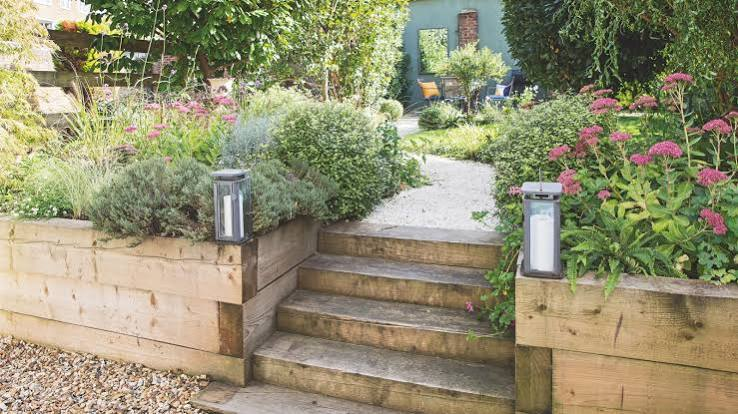
You do not need expensive landscaping materials to create a high-end look.
Start by keeping the garden border consistent. Uneven or randomly changing edges can make even expensive materials look messy.
Next, repeat the same edging material throughout different parts of the yard. Repetition creates a more coordinated landscape.
Finally, keep the planting beds tidy. Remove weeds, trim overgrown plants, and refresh mulch when necessary.
A simple no dig garden edging system can look surprisingly elegant when the surrounding garden is well maintained.
Common Mistakes to Avoid
Choosing the Wrong Size
Edging that is too short may not provide enough definition, while oversized edging can dominate a small garden.
Poor Installation
Even easy-install edging needs to be secured properly. Loose sections can move after heavy rain or lawn maintenance.
Ignoring Curves
Rigid materials may not work well for complicated curves. Flexible edging is usually better for rounded garden designs.
Forgetting Maintenance
Edging reduces maintenance but does not eliminate it. Grass and weeds can still grow along the border.
Using Unsafe Materials
If you are creating DIY no dig garden edging, avoid materials with sharp edges, toxic coatings, or anything that could create a hazard for children or pets.
Frequently Asked Questions
Does no dig garden edging really work?
Yes, no dig garden edging can work well when it is installed correctly and secured firmly. Its effectiveness depends on the material, soil conditions, weather, and regular garden maintenance.
What is the easiest garden edging to install?
Flexible plastic and other stake-secured edging systems are generally among the easiest options for beginners because they require minimal ground preparation.
Does garden edging stop grass from spreading?
Edging can help create a physical and visual boundary that makes grass easier to control, but it may not completely stop grass from spreading. Regular trimming and maintenance may still be necessary.
Final Thoughts
No-dig garden edging is a simple and practical way to give your garden a clean and finished look without spending hours digging. It can help define different areas of the garden and keep everything looking more organized.
There are many materials and styles you can choose from, so you can pick an option that suits your garden and personal taste. With a little creativity, even a simple border can make a noticeable difference.
The best part is that no-dig edging keeps the project easy and manageable. Whether you’re updating an old garden or creating a new one, it’s an easy way to add a neat finishing touch.