

A healthy garden is every gardener’s goal, but unwanted insects and plant diseases can quickly turn that dream into frustration. Many people immediately reach for chemical pesticides when they notice damaged leaves or insects on their plants. While these products may provide quick results, they can also affect beneficial insects, reduce soil health, and create unnecessary environmental concerns. That is why more home gardeners are choosing organic pest control as a safer and more sustainable solution.
Organic pest control focuses on preventing pest problems, encouraging natural predators, and using environmentally friendly methods to keep gardens healthy. Instead of relying on harsh chemicals, gardeners work with nature to create a balanced ecosystem where vegetables, flowers, herbs, and fruit plants can thrive.
Whether you’re growing tomatoes in raised beds, herbs in containers, or flowers in your backyard, learning how to manage pests naturally can help you produce healthier plants and enjoy a more productive garden throughout the growing season.
What Is Organic Pest Control?
Organic pest control is the practice of managing insects, diseases, and other garden pests using natural methods instead of synthetic chemical pesticides.
These methods include improving soil health, attracting beneficial insects, using organic sprays, encouraging biodiversity, and maintaining healthy growing conditions that make plants naturally more resistant to pests.
The goal is not to eliminate every insect but to maintain a healthy balance where harmful pests remain under control without harming pollinators or the environment.
Why More Gardeners Are Switching to Organic Methods
Interest in organic gardening has grown rapidly because many gardeners want healthier food and safer outdoor spaces.
Some of the biggest benefits of organic pest control include:
- Safer for children and pets
- Protects bees, butterflies, and ladybugs
- Improves long-term soil health
- Reduces chemical exposure
- Supports beneficial microorganisms
- Helps maintain biodiversity
- Environmentally friendly
- Suitable for vegetable gardens and home landscapes
Rather than treating every insect as a threat, organic gardening encourages a healthy ecosystem where nature helps solve many pest problems.
Understanding Common Garden Pests
Before choosing a treatment, it’s important to identify the pest correctly. Different insects require different solutions, and misidentifying the problem can waste time while allowing damage to continue.
Some of the most common garden pests include:
Aphids
These tiny insects gather on young stems and leaves, feeding on plant sap. They often cause curled leaves, weak growth, and sticky residue known as honeydew.
Whiteflies
Whiteflies are small flying insects commonly found on the undersides of leaves. They weaken plants by removing nutrients and can spread plant diseases.
Spider Mites
Spider mites are difficult to see with the naked eye, but they leave fine webbing on leaves and cause yellow speckled damage. They thrive in hot, dry weather.
Caterpillars
While butterflies are welcome visitors, their caterpillars can quickly chew through vegetable leaves if left unchecked.
Slugs and Snails
These pests feed mainly at night, leaving irregular holes in leaves and shiny slime trails across plants and garden beds.
Learning to identify pests early is one of the most valuable skills in successful organic pest control.
Prevention Is Better Than Treatment
The strongest defense against garden pests begins before insects ever appear.
Healthy plants naturally resist diseases and recover from minor pest damage much more effectively than weak plants.
Simple preventive habits include:
- Plant in healthy, well-drained soil.
- Water consistently without overwatering.
- Remove dead or diseased leaves.
- Keep weeds under control.
- Space plants properly for good airflow.
- Rotate crops every season.
- Inspect plants at least once a week.
A few minutes of regular garden maintenance can prevent many pest problems before they become serious.
Build Healthy Soil First
Healthy soil is one of the most overlooked tools in organic pest control.
Rich soil filled with compost and beneficial microorganisms helps plants develop stronger roots, healthier leaves, and better natural resistance to insects and diseases.
Adding compost, organic matter, and mulch each season improves soil structure while supporting earthworms and beneficial microbes that contribute to long-term garden health.
Encourage Beneficial Insects
One of the biggest advantages of organic pest control is that it works with nature instead of against it. Many insects that visit your garden are actually helpful because they feed on harmful pests and help maintain a healthy balance.
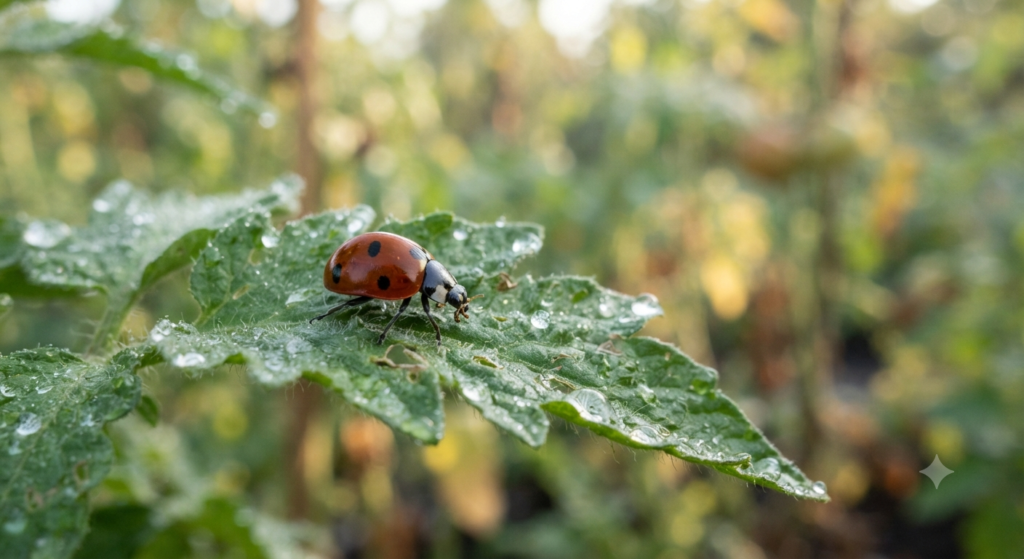
Ladybugs
Ladybugs are among the best natural predators in any garden. Both adult ladybugs and their larvae feed on large numbers of aphids, whiteflies, and other soft-bodied insects.
Lacewings
Green lacewings are another valuable garden ally. Their larvae, often called “aphid lions,” consume aphids, mealybugs, mites, and insect eggs.
Praying Mantises
Praying mantises eat a wide variety of garden insects. While they are general predators, they can help reduce pest populations when used as part of a balanced organic garden.
Hoverflies
Adult hoverflies are excellent pollinators, while their larvae feed on aphids and other damaging insects.
Planting flowers such as dill, yarrow, cosmos, calendula, alyssum, and fennel attracts these beneficial insects and supports a healthier garden ecosystem.
Use Companion Planting
Companion planting is a natural gardening technique where certain plants are grown together because they benefit one another.
Popular combinations include:
- Tomatoes with basil
- Carrots with onions
- Cabbage with dill
- Cucumbers with nasturtiums
- Marigolds near vegetables
These combinations help confuse pests, attract beneficial insects, and improve pollination while making better use of garden space.
Neem Oil
Neem oil is one of the most trusted products used in organic pest control.
Made from the seeds of the neem tree, it helps control aphids, whiteflies, spider mites, mealybugs, and several other common pests without leaving harmful chemical residues when used correctly.
Spray neem oil during the early morning or late evening to reduce the chance of harming pollinators that are active during the day.
Always follow the manufacturer’s directions and avoid spraying plants during extremely hot weather.
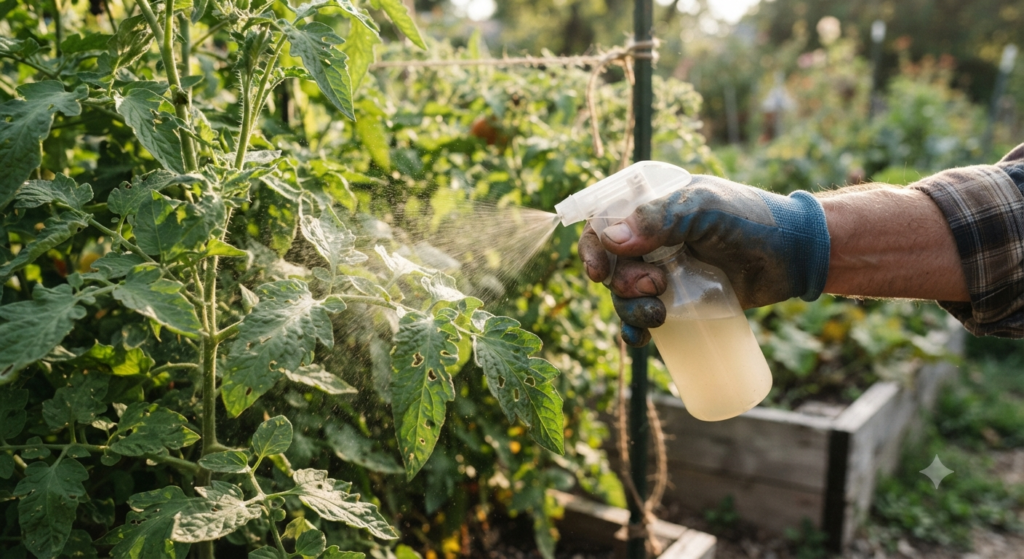
Insecticidal Soap
Insecticidal soap is another effective organic option for soft-bodied insects.
It works by damaging the outer protective layer of pests such as aphids and whiteflies while remaining much safer than many synthetic pesticides.
Spray only the affected plants and test a small section first, especially on delicate foliage.
Homemade Organic Pest Control Sprays
Many gardeners successfully prepare simple sprays using common household ingredients.
Some popular options include:
Garlic Spray
Garlic has a strong scent that discourages many insects. Blend garlic with water, strain the mixture, and spray lightly on affected plants.
Chili Pepper Spray
Hot peppers can help discourage chewing insects. Always wear gloves when preparing pepper sprays and avoid getting the mixture in your eyes.
Mild Soap Spray
A few drops of mild liquid soap mixed with water may help control aphids and similar pests. Use only gentle soaps without bleach or harsh additives.
Homemade sprays should be used carefully and tested on a small part of the plant before widespread application.
Physical Barriers
Sometimes the simplest solution is also the most effective.
Physical barriers prevent insects from reaching plants without using any chemicals.
Examples include:
- Floating row covers
- Garden netting
- Copper tape for slugs
- Plant collars
- Fine mesh covers
These methods work especially well for young vegetable plants during the early growing season.
Remove Pests by Hand
Although it may seem old-fashioned, hand removal is still one of the most effective organic pest control methods for small gardens.
Inspect plants every few days.
Remove caterpillars, beetles, and snail eggs by hand before their populations increase.
Dropping insects into a bucket of soapy water is often enough to prevent larger infestations.
Keep Your Garden Clean
Good garden hygiene greatly reduces pest problems.
Remove fallen fruit, dead leaves, weeds, and diseased plant material regularly.
Cleaning tools after use and avoiding overcrowded planting also helps prevent fungal diseases and insect outbreaks.
Healthy, well-maintained gardens naturally experience fewer serious pest problems.
Organic Pest Control for Vegetable Gardens
Vegetable gardens require extra care because the crops are grown for food.
When managing pests around edible plants:
- Inspect vegetables every few days.
- Harvest ripe produce promptly.
- Rotate crops every season.
- Water the soil instead of the leaves.
- Encourage pollinators.
- Use organic sprays only when necessary.
- Follow label instructions carefully on approved organic products.
Using several natural methods together is usually far more effective than relying on a single treatment.
Seasonal Organic Pest Control Tips
Garden pests change throughout the year, so adjusting your approach each season helps prevent major infestations.
Spring
Spring is the perfect time to prepare your garden before pests become active. Clean up old plant debris, add fresh compost, inspect seedlings regularly, and install row covers to protect young plants.
Summer
Warm temperatures encourage rapid insect activity. Continue checking plants every few days, water deeply in the morning, and remove damaged leaves as soon as you notice them. Beneficial insects are especially active during summer, so avoid unnecessary sprays that could harm them.
Fall
After harvesting vegetables, remove old plants and weeds that may shelter insects during winter. Add compost to improve the soil and rotate crops before the next growing season.
Winter
Winter is an excellent time to clean gardening tools, repair raised beds, order seeds, and plan next year’s planting layout. Healthy preparation reduces pest problems before they begin.
Common Organic Pest Control Mistakes
Even experienced gardeners sometimes make mistakes that reduce the effectiveness of natural pest management.
Avoid these common problems:
- Waiting too long before treating pest issues
- Overusing organic sprays
- Ignoring beneficial insects
- Planting vegetables too close together
- Watering leaves instead of the soil
- Forgetting to rotate crops
- Removing every insect without identifying whether it is harmful or beneficial
A balanced approach is the foundation of successful organic pest control.
Signs Your Organic Pest Control Plan Is Working
Natural gardening focuses on long-term improvement rather than overnight results.
Positive signs include:
- Fewer damaged leaves
- Healthier plant growth
- More bees and butterflies visiting the garden
- Increased numbers of ladybugs and lacewings
- Stronger vegetable production
- Better soil quality each season
These improvements show that your garden ecosystem is becoming healthier and more balanced.
Frequently Asked Questions
What is organic pest control?
Organic pest control is a natural method of managing garden pests without relying on synthetic chemical pesticides. It uses techniques such as companion planting, beneficial insects, organic sprays, healthy soil, and preventive garden care.
Is organic pest control effective?
Yes. When used consistently, organic pest control can successfully manage many common garden pests while protecting pollinators, improving soil health, and supporting a balanced garden ecosystem.
What is the best natural spray for garden pests?
Neem oil and insecticidal soap are among the most popular organic options. Homemade garlic spray and mild soap solutions may also help control soft-bodied insects when used correctly.
How can I prevent pests naturally?
Healthy soil, proper watering, crop rotation, companion planting, regular inspections, and attracting beneficial insects are some of the most effective ways to prevent pest problems before they become serious.
Final Thoughts
Choosing organic pest control is more than simply avoiding chemical pesticides—it’s about creating a healthier garden that works in harmony with nature. By improving soil quality, encouraging beneficial insects, using natural treatments only when needed, and practicing regular garden maintenance, you can reduce pest problems while protecting the environment.
Whether you’re growing vegetables, herbs, flowers, or fruit trees, a thoughtful organic approach will reward you with stronger plants, healthier harvests, and a more vibrant garden. With patience and consistent care, organic pest control becomes an effective long-term strategy that supports both your plants and the natural world.