

Pollinator gardens are a wonderful way to make your outdoor space more colorful while helping bees, butterflies, hummingbirds, and other beneficial pollinators. By growing the right flowers and plants, you can create a welcoming space where pollinators can easily find nectar, pollen, and shelter. These gardens are not only beautiful but also play an important role in supporting healthy ecosystems.
You do not need a huge backyard to start a pollinator garden. Even a small garden, patio, or balcony can become a pollinator-friendly space with a few carefully chosen plants. Native flowers are especially helpful because they are well suited to local conditions and often provide an excellent food source for native pollinators. Adding plants with different bloom times can also keep your garden attractive throughout the growing season.
Creating pollinator gardens can be a simple and enjoyable project for beginners and experienced gardeners alike. With colorful blooms, natural planting ideas, and a little regular care, you can turn an ordinary outdoor area into a lively garden filled with nature. In this guide, you will discover helpful tips for choosing plants, designing your garden, and creating a beautiful pollinator-friendly space that both you and local wildlife can enjoy.
What Are Pollinator Gardens?
Pollinator gardens are gardens designed to provide food, shelter, water, and habitat for pollinating insects and animals. Bees, butterflies, moths, hummingbirds, and other creatures can visit these gardens to collect nectar and pollen.
Many flowering plants depend on pollinators to reproduce. By growing a variety of flowers, gardeners can support these important visitors while also enjoying a more colorful landscape.
A successful pollinator garden does not have to look wild or messy. It can be designed with neat borders, containers, raised beds, or traditional flower beds.
Why Create Pollinator Gardens?
There are many reasons to add a pollinator-friendly garden to your yard.
Support Bees and Butterflies
Flowers provide nectar and pollen that many pollinators need for energy and nutrition.
Add Color to Your Yard
Pollinator-friendly flowers often come in bright colors and different shapes, making your garden more attractive.
Encourage Biodiversity
A diverse garden can attract a wider variety of insects, birds, and other beneficial wildlife.
Create a Natural Habitat
Pollinator gardens can provide feeding and resting areas for wildlife, especially in areas where natural habitats are limited.
Enjoy More Wildlife
Watching butterflies, bees, and hummingbirds visit your flowers can make gardening much more enjoyable.
17 Best Pollinator Gardens Ideas
1. Plant Native Flowers
One of the best ways to start pollinator gardens is by choosing native flowering plants.
Native plants are adapted to the climate, soil, and growing conditions of their natural region. They can also provide valuable resources for local pollinators.
Research native flowers that naturally grow in your area and choose several varieties with different bloom times.
2. Grow Flowers With Different Bloom Times
Do not choose flowers that all bloom during the same few weeks.
Instead, select early-, mid-, and late-season flowering plants. This helps provide nectar and pollen for a longer period.
For example, you might combine spring flowers with summer perennials and fall-blooming plants.
A garden that blooms from spring through fall can be much more useful to pollinators than one that provides flowers for only a short period.
3. Add Purple, Blue, Yellow, and White Flowers
Many pollinators are attracted to flowers with noticeable colors.
Purple, blue, yellow, and white flowers can be excellent choices for a wildlife-friendly garden.
Try combining different flower colors rather than planting one color throughout the entire space.
This also creates a more visually interesting landscape.
4. Include Milkweed for Monarch Butterflies
Milkweed is particularly important for monarch butterflies because monarch caterpillars depend on milkweed plants for food.
If monarch butterflies are found in your region, adding appropriate native milkweed species can make your garden more useful to them.
Choose milkweed varieties suited to your local climate rather than planting a species that is poorly adapted to your area.
5. Add Native Perennials
Perennial flowers return year after year, making them useful for long-term pollinator gardens.
Popular examples can include native coneflowers, bee balm, asters, goldenrod, and other regionally appropriate plants.
Before planting, check which varieties are native to your specific region.
6. Plant Herbs That Attract Pollinators
Some herbs can become excellent pollinator plants when allowed to flower.
Basil, oregano, thyme, mint, rosemary, and other herbs can produce flowers that attract bees and other insects.
Instead of harvesting every flower, allow some herbs to bloom.
This gives pollinators another source of nectar while providing fresh herbs for your kitchen.
7. Create a Butterfly Garden Area
Butterflies need more than nectar-rich flowers.
They also need suitable plants where they can lay eggs and where caterpillars can feed.
Create a section of your garden specifically for butterflies by combining nectar-producing flowers with host plants.
Flat-topped flowers and clusters of small blooms can provide convenient feeding areas for many butterfly species.
8. Add Plants for Hummingbirds
Hummingbirds are attracted to nectar-rich flowers, particularly tubular blooms.
Red, orange, pink, and other brightly colored flowers can make your garden more attractive to hummingbirds.
Choose plants that are appropriate for your local climate and provide flowers during different parts of the growing season.
A small water source nearby can also make the garden more appealing.
9. Avoid Pesticides Whenever Possible
One of the most important rules for pollinator gardens is to avoid unnecessary pesticide use.
Broad-spectrum insecticides can harm beneficial insects as well as unwanted pests.
Instead, monitor your plants regularly and use non-chemical approaches whenever practical.
If pest control is absolutely necessary, choose the least harmful method and carefully follow the product instructions.
10. Provide a Water Source
Pollinators need water too.
You can add a shallow dish, birdbath, or small water feature to your garden.
Place stones or pebbles in shallow water so insects have safe places to land without becoming trapped.
Keep the water fresh and clean to reduce the risk of mosquitoes and other problems.
11. Leave Some Natural Areas
A perfectly tidy garden is not always the best habitat for wildlife.
Leaving some stems, leaves, or small natural areas can provide shelter for insects during different stages of their life cycle.
You can still maintain a neat-looking garden while leaving selected areas undisturbed.
This approach can make your pollinator gardens more supportive of beneficial insects.
12. Grow Flowers in Groups
Instead of planting one flower of each type throughout the garden, consider planting several of the same species together.
Large groups of flowers can make it easier for pollinators to find food.
Flower clusters can also create stronger visual impact in the landscape.
Use several groups of different species to create continuous blooms throughout the season.
13. Use Containers for Small Spaces
You do not need a large backyard to grow pollinator-friendly plants.
Containers can work beautifully on balconies, patios, decks, and small outdoor spaces.
Choose large containers with drainage holes and fill them with a suitable potting mix.
Grow flowering herbs, native flowers, compact perennials, or other pollinator-friendly plants.
Even a few containers can provide useful nectar sources.
14. Add Shrubs and Small Trees
Larger plants can add structure and additional habitat to pollinator gardens.
Flowering shrubs and small native trees can provide nectar, pollen, shelter, and nesting opportunities.
Choose species that are appropriate for your region and available space.
Think about the mature size of the plant before placing it near buildings, pathways, or utility lines.
15. Provide Shelter for Bees
Not all bees live in large colonies.
Many native bees are solitary and use small cavities or bare soil for nesting.
You can provide suitable habitat by leaving some areas of bare, undisturbed soil and avoiding excessive garden cleanup.
Some gardeners also install bee houses designed for solitary bees.
Place artificial nesting structures in appropriate locations and maintain them properly.
16. Choose Plants With Simple Flowers
Flowers with simple structures can sometimes make it easier for pollinators to access nectar and pollen.
When choosing plants, consider varieties that produce accessible flowers rather than selecting only highly modified ornamental forms.
Native plants with open flower structures can be especially valuable.
17. Plan for Every Season
A successful pollinator garden should provide resources for as much of the growing season as possible.
Start by making a simple list of plants that bloom in spring, summer, and fall.
Then combine them so there is always something flowering.
This approach creates a more consistent food supply and keeps your garden looking attractive throughout the year.
Best Plants for Pollinator Gardens
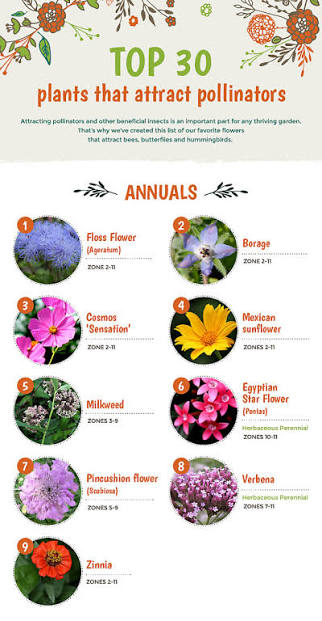
Choosing the right plants is one of the most important parts of creating pollinator gardens.
Some popular pollinator-friendly plants include:
- Coneflower
- Bee balm
- Asters
- Goldenrod
- Milkweed
- Black-eyed Susan
- Lavender
- Sunflowers
- Salvia
- Yarrow
- Zinnias
- Native flowering shrubs
- Flowering herbs
The best choices depend on your location. Native plants are often an excellent starting point because they are adapted to local environmental conditions.
How to Design a Pollinator Garden
Start by choosing a sunny area if possible. Many flowering plants perform best with several hours of sunlight.
Next, decide how large you want the garden to be.
Create a simple planting plan with flowers of different heights. Place taller plants toward the back and shorter plants toward the front.
Group plants with similar water and sunlight requirements together.
Finally, include flowers with different bloom periods so your garden continues producing resources throughout the season.
Best Location for Pollinator Gardens
A sunny location is usually ideal because many nectar-producing flowers require plenty of sunlight.
Choose an area that is easy for you to access and observe.
Avoid locations that receive constant disturbance or heavy chemical treatments.
If your yard has both sunny and partially shaded areas, you can create different planting zones and choose plants according to their light requirements.
How to Maintain Pollinator Gardens
Pollinator gardens do not need to be difficult to maintain.
Water newly planted flowers regularly while they become established. Once plants are established, many native species may require less supplemental watering depending on your climate.
Remove invasive weeds before they take over.
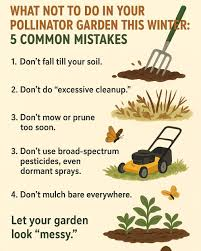
Avoid unnecessary pesticide use and allow some natural plant material to remain during winter when appropriate.
You can also collect seeds from suitable plants at the end of the season and use them to expand your garden.
Common Mistakes to Avoid
Planting Only One Type of Flower
A garden with only one flowering species provides fewer resources across the season.
Choosing Plants Only for Appearance
A beautiful ornamental plant is not automatically a valuable pollinator plant.
Look for plants that provide accessible nectar and pollen.
Using Too Many Chemicals
Unnecessary pesticide use can harm beneficial insects.
Forgetting Native Plants
Native species can be valuable additions to a local wildlife garden.
Removing Everything in Fall
Some insects use stems, leaves, and plant debris for shelter.
Consider leaving some natural material in place until spring.
Do Pollinator Gardens Attract Bees?
Yes. Flowering plants can attract bees by providing nectar and pollen.
The types of bees you see will depend on your region and the plants you grow.
A diverse garden with native flowers and continuous blooms can provide more opportunities for different bee species.
Do Pollinator Gardens Attract Butterflies?
Yes. Butterflies are attracted to nectar-producing flowers, while their caterpillars often need specific host plants.
If you want to attract butterflies, include both adult nectar plants and host plants suitable for species found in your area.
Are Pollinator Gardens Good for Small Yards?
Absolutely.
Even a small garden bed or a few containers can provide nectar and pollen.
Focus on choosing plants that offer multiple benefits and bloom at different times.
Vertical gardening, containers, and compact native plants can help maximize a small space.
How Long Does It Take to Establish a Pollinator Garden?
Some annual flowers can produce blooms during their first growing season, while perennial and native plants may take longer to establish.
The first year may involve more watering and maintenance as plants develop their root systems.
Over time, a well-planned garden can become easier to maintain and more productive.
Final Thoughts
Creating pollinator gardens is a simple way to make your outdoor space more beautiful while giving bees, butterflies, hummingbirds, and other helpful pollinators a place to find food and shelter. With colorful flowers, native plants, and a little care, even a small garden can make a meaningful difference for local wildlife.
The best part is that you do not need to be an expert gardener to get started. Choose plants that suit your climate, provide plenty of blooms throughout the season, and avoid harmful chemicals whenever possible. With time, your garden will become a lively and peaceful space filled with color and natural activity.
Whether you have a large backyard or a small patio, a pollinator garden is a rewarding project worth trying. Start with a few pollinator-friendly plants and slowly add more as your garden grows. You will not only enjoy a beautiful garden but also create a welcoming space that supports nature.