

The first time I tried growing vegetables in my backyard, I imagined baskets full of fresh tomatoes, crisp lettuce, and fragrant herbs. Reality was a little different. The soil was heavy, weeds seemed to appear overnight, and after every rainfall the garden became muddy and difficult to manage. That’s when I discovered the benefits of a raised garden bed, and it completely changed the way I garden.
A raised garden bed gives you greater control over your soil, improves drainage, makes planting easier, and creates a cleaner, more organized growing space. Whether you have a large backyard or a small outdoor area, raised beds can help you grow healthier vegetables, herbs, flowers, and even small fruits with less effort.
What Is a Raised Garden Bed?
A raised garden bed is a planting area that sits above the natural ground level and is enclosed with materials such as wood, metal, stone, or composite boards. Instead of growing directly in existing soil, gardeners fill the bed with a rich, well-draining soil mix that creates ideal growing conditions for plants.
Raised beds can be built in different shapes and sizes depending on your available space. Some gardeners prefer small beds for herbs, while others install several large beds to grow vegetables throughout the year.
They are suitable for:
- Vegetables
- Herbs
- Flowers
- Strawberries
- Small shrubs
- Pollinator-friendly plants
Because the growing environment is easier to control, raised beds are especially popular with beginners.
Benefits of Using a Raised Garden Bed
There are many reasons why gardeners choose raised beds instead of traditional in-ground gardens.
Better Soil Quality
One of the biggest advantages is the ability to create your own soil mix. Instead of struggling with poor native soil, you can fill the bed with nutrient-rich compost, quality topsoil, and organic matter that supports healthy plant growth.
Improved Drainage
Poor drainage is one of the most common gardening problems. A raised garden bed allows excess water to drain more efficiently, reducing the risk of root rot and waterlogged soil.
Fewer Weeds
Since you start with fresh soil, raised beds usually contain fewer weeds than traditional gardens. Adding mulch around plants further reduces unwanted weed growth.
Easier Maintenance
Because the soil is elevated, gardeners spend less time bending, kneeling, and digging. Watering, planting, harvesting, and weeding all become more comfortable.
Longer Growing Season
The soil inside a raised bed warms more quickly in spring, allowing many crops to be planted earlier than they could in traditional garden beds.
Choosing the Best Location
The success of a raised garden bed depends greatly on where you place it.
Look for a location that offers:
- At least 6–8 hours of direct sunlight each day
- Good air circulation
- Easy access to water
- Level ground
- Enough space to walk around the bed
Avoid placing raised beds under large trees where roots compete for water and nutrients or where heavy shade limits plant growth.
Best Materials for Raised Garden Beds
Several materials can be used to build durable raised beds.
Cedar Wood
Cedar naturally resists moisture and insects, making it one of the most popular choices for long-lasting garden beds.
Redwood
Redwood is another durable option with natural resistance to decay, although it is often more expensive.
Galvanized Metal
Metal raised beds have become increasingly popular because they are durable, modern-looking, and require very little maintenance.
Stone or Brick
Stone and brick create permanent raised beds with a timeless appearance. Although installation requires more effort, these materials can last for decades.
Composite Boards
Composite materials resist rot and weather damage while requiring very little maintenance compared to untreated wood.
Choosing the Right Size
A common mistake is making raised beds too wide.
For comfortable gardening:
- Width: 3–4 feet
- Length: 6–8 feet (or according to available space)
- Height: 10–18 inches for most vegetables
Keeping the bed narrow enough to reach the center from both sides prevents stepping on the soil, helping it remain loose and healthy for plant roots.
The Best Soil Mix for a Raised Garden Bed
One of the biggest advantages of a raised garden bed is the ability to create the perfect growing environment from the start. Instead of relying on poor native soil, you can build a nutrient-rich mix that supports healthy roots and vigorous plant growth.
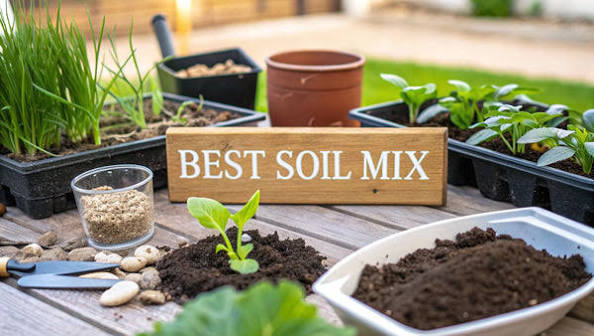
A simple soil blend that works well for most vegetables and flowers includes:
- 40% quality topsoil
- 40% compost
- 20% coarse sand or other material that improves drainage
This combination provides nutrients, holds moisture without becoming waterlogged, and allows roots to spread easily.
Adding organic matter each year keeps the soil healthy and productive for future growing seasons.
What Can You Grow in a Raised Garden Bed?
A raised garden bed is incredibly versatile. Almost any plant that grows in a traditional garden can also thrive in a raised bed when given the right conditions.
Vegetables
Raised beds are perfect for vegetables because the loose soil encourages strong root development.
Popular choices include:
- Tomatoes
- Peppers
- Cucumbers
- Carrots
- Lettuce
- Spinach
- Onions
- Radishes
- Beans
- Broccoli
Herbs
Fresh herbs grow exceptionally well in raised beds.
Some excellent options are:
- Basil
- Parsley
- Mint
- Rosemary
- Thyme
- Oregano
- Chives
- Cilantro
Flowers
Flowers not only add beauty but also attract bees, butterflies, and other beneficial pollinators.
Good flowering choices include:
- Marigolds
- Zinnias
- Lavender
- Cosmos
- Sunflowers
- Petunias
Watering Tips
Although raised beds drain better than traditional gardens, they also dry out more quickly during warm weather.
For healthy plants:
- Water deeply rather than lightly.
- Check soil moisture before watering.
- Water early in the morning whenever possible.
- Avoid wetting the leaves unnecessarily.
- Increase watering during hot summer weeks.
Using a drip irrigation system or soaker hose helps deliver water directly to the roots while reducing waste.
Fertilizing Your Raised Garden Bed

Plants remove nutrients from the soil as they grow. Replacing those nutrients keeps your garden productive throughout the season.
Good fertilizer options include:
- Compost
- Worm castings
- Organic vegetable fertilizer
- Fish emulsion
- Slow-release balanced fertilizer
Always follow the recommended application rates to avoid overfeeding.
Mulching for Healthier Plants
Mulch is one of the easiest ways to improve a raised garden bed.
Benefits include:
- Conserves soil moisture
- Reduces weed growth
- Keeps soil temperatures stable
- Prevents soil erosion
- Improves soil as organic mulch breaks down
Popular mulch materials include straw, shredded leaves, bark chips, and untreated wood chips.
Seasonal Maintenance
Keeping a raised bed productive requires only a little regular care.
Spring
- Add fresh compost.
- Loosen the top layer of soil.
- Check irrigation systems.
- Plant cool-season crops.
Summer
- Water consistently.
- Remove weeds.
- Harvest vegetables regularly.
- Monitor plants for pests and diseases.
Autumn
- Remove old plants.
- Add compost or aged manure.
- Plant cover crops if desired.
- Clean garden tools before storage.
Winter
- Protect empty beds with mulch or cover crops.
- Repair damaged boards if necessary.
- Plan next season’s planting layout.
Common Raised Garden Bed Mistakes
Even experienced gardeners occasionally make mistakes.
Avoid these common problems:
Choosing the Wrong Location
Too much shade often results in weak plants and smaller harvests.
Filling Beds with Poor Soil
Good soil is the foundation of a productive raised bed. Investing in quality soil saves time and frustration later.
Overcrowding Plants
Leaving enough space between plants improves airflow and reduces disease.
Forgetting to Add Compost
Soil naturally loses nutrients over time. Adding compost every season helps maintain fertility.
Inconsistent Watering
Allowing the soil to repeatedly dry out and then become overly wet stresses plants and reduces harvest quality.
A little attention each week goes a long way toward keeping your raised garden bed healthy, productive, and easy to maintain.
Frequently Asked Questions
What is the best depth for a raised garden bed?
Most vegetables grow well in a raised garden bed that is 10 to 18 inches deep. Root vegetables such as carrots and potatoes may benefit from deeper beds.
What is the best soil for a raised garden bed?
A mix of quality topsoil, compost, and organic matter creates the ideal environment for healthy root growth. Well-draining soil rich in nutrients produces the best results.
How often should I water a raised garden bed?
Most raised beds need watering two to three times per week, although hot weather may require more frequent watering. Always check the soil before watering.
Can beginners use a raised garden bed?
Yes. A raised garden bed is one of the easiest gardening methods for beginners because it offers better soil control, fewer weeds, improved drainage, and easier maintenance.
What vegetables grow best in a raised garden bed?
Tomatoes, peppers, cucumbers, lettuce, spinach, carrots, onions, beans, and herbs are among the most popular choices for raised garden beds.
Quick Raised Garden Bed Checklist
Before planting, remember these simple steps:
- Choose a sunny location.
- Build a sturdy garden bed.
- Fill it with high-quality soil.
- Add compost before planting.
- Water consistently.
- Apply mulch to retain moisture.
- Feed plants during the growing season.
- Harvest regularly for continuous production.
These simple habits will help you enjoy healthier plants and larger harvests year after year.
Final Thoughts
Starting a raised garden bed might seem like a big project at first, but once everything is in place, gardening becomes much simpler and far more enjoyable. Instead of constantly battling poor soil, weeds, and drainage problems, you can spend more time watching your plants grow and less time fixing common gardening issues.
One of the things I appreciate most about raised bed gardening is how rewarding it feels. Each season teaches something new, whether it’s discovering the best vegetables for your climate, improving your soil, or finding smarter ways to care for your plants. Small improvements made each year often lead to bigger and healthier harvests over time.
If you’ve been thinking about starting a garden but weren’t sure where to begin, a raised garden bed is one of the best investments you can make. Start with a simple design, choose plants you enjoy growing, and don’t worry about making everything perfect. Gardening is a learning experience, and every season brings new opportunities to grow not just your plants, but your confidence as well.