

There’s something incredibly rewarding about harvesting fresh vegetables that you’ve grown yourself. Vegetable gardening is more than just a hobby—it’s a practical way to enjoy healthier food, spend time outdoors, and create a more sustainable lifestyle. Whether you have a large backyard, a small patio, or a few containers on a balcony, you can successfully grow a wide variety of vegetables with the right planning and care.
Many beginners think vegetable gardening is difficult, but the truth is that most vegetables are surprisingly easy to grow. Success comes from understanding a few basic principles, such as choosing the right location, preparing healthy soil, watering consistently, and selecting vegetables that match your climate.
This guide will help you build a productive vegetable garden step by step, giving you the confidence to grow fresh produce throughout the growing season.
Why Vegetable Gardening Is Worth It
Growing your own vegetables offers benefits that go far beyond saving money. Freshly harvested vegetables often taste better than store-bought produce because they are picked at their peak ripeness.
Other benefits include:
- Enjoy fresh, homegrown vegetables.
- Reduce grocery expenses during the growing season.
- Know exactly how your food is grown.
- Spend more time outdoors and stay active.
- Create a relaxing and rewarding hobby.
- Teach children about nature and healthy eating.
- Support a more sustainable lifestyle.
Even a small garden can provide an impressive harvest when cared for properly.
Choosing the Best Location
The success of your vegetable gardening project begins with choosing the right location.
Most vegetables need at least six to eight hours of direct sunlight every day. Select an area that receives plenty of light and has good air circulation. Avoid places where water collects after heavy rain because constantly wet soil can damage plant roots.
If space is limited, raised beds or large containers placed in sunny locations can produce excellent results.
Preparing Healthy Soil
Healthy soil is the foundation of every productive vegetable garden.
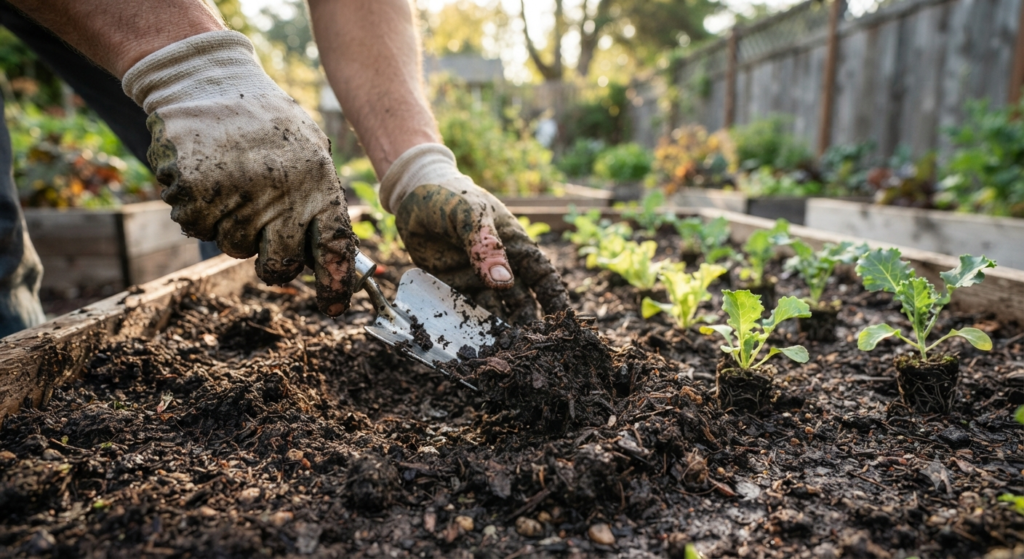
Before planting, loosen the soil and mix in compost or well-rotted organic matter. Good soil should drain well while still holding enough moisture for plant roots.
Testing your soil can also help you understand its pH and nutrient levels, making it easier to choose the right amendments before planting.
Start with Easy Vegetables
If you’re new to vegetable gardening, begin with crops that are known for being easy to grow.
Excellent beginner-friendly vegetables include:
- Tomatoes
- Lettuce
- Radishes
- Green beans
- Cucumbers
- Spinach
- Carrots
- Zucchini
- Bell peppers
Starting with simple vegetables helps build confidence while providing quick and satisfying results.
Raised Beds vs. Traditional Garden Beds
Both raised beds and in-ground gardens have advantages.
Raised beds warm up faster in spring, offer better drainage, and are easier to maintain. They also reduce soil compaction and make weeding simpler.
Traditional garden beds are often less expensive to create and work well when your yard already has healthy soil.
Choose the option that best fits your available space, budget, and gardening goals.
Plan Your Garden Layout
A well-planned layout makes gardening easier throughout the season.
Place taller vegetables such as tomatoes and corn where they won’t block sunlight from shorter crops like lettuce or herbs.
Leave enough space between rows to allow air circulation and make watering, harvesting, and maintenance more convenient.
Planning ahead also reduces overcrowding, which can lead to disease and poor plant growth.
Water the Right Way
Proper watering is one of the most important parts of successful vegetable gardening.
Water deeply instead of lightly so roots grow deeper into the soil. Early morning is usually the best time to water because it reduces evaporation and gives plants time to dry before evening.
Avoid wetting the leaves whenever possible, as damp foliage can encourage fungal diseases.
Feed Plants Naturally
Vegetables require nutrients throughout the growing season.
Adding compost, worm castings, or other organic fertilizers helps maintain healthy soil while providing steady nutrition.
Natural fertilizers improve soil quality over time and support beneficial microorganisms that contribute to stronger plant growth.
Mulching Helps Your Garden Thrive
Mulch is one of the simplest ways to improve your vegetable garden. A layer of organic mulch, such as straw, shredded leaves, or untreated wood chips, helps the soil retain moisture, reduces weed growth, and keeps the soil temperature more stable.
As organic mulch breaks down, it adds valuable nutrients to the soil and improves its structure over time. Applying a two- to three-inch layer around your plants can make a noticeable difference throughout the growing season.
Keep Weeds Under Control
Weeds compete with vegetables for sunlight, water, and nutrients. Removing them regularly helps your crops grow stronger and produce better harvests.
Pull weeds while they are still small, especially after rainfall when the soil is soft. Combining regular weeding with mulch is one of the most effective ways to keep your vegetable gardening space healthy and productive.
Try Companion Planting
Companion planting means growing certain plants together because they benefit each other.
Some popular combinations include:
- Tomatoes with basil
- Carrots with onions
- Cucumbers with dill
- Lettuce with radishes
- Beans with corn
These combinations can improve pollination, attract beneficial insects, reduce pest problems, and make better use of available space.
Encourage Pollinators
Many vegetables rely on bees, butterflies, and other pollinators for successful fruit production.
Plant flowers such as marigolds, zinnias, lavender, or sunflowers near your vegetable beds to attract helpful insects. Avoid unnecessary pesticide use, as it can harm the pollinators that your garden depends on.
A garden filled with pollinators is often more productive and healthier overall.
Prevent Common Garden Problems
Every gardener faces challenges from time to time, but many problems can be prevented with good habits.
Watch for these common issues:
- Yellow leaves
- Slow growth
- Wilting plants
- Blossom end rot
- Powdery mildew
- Leaf-eating insects
- Poor fruit production
Inspect your plants every few days. Catching problems early allows you to correct them before they spread.
Natural Pest Control Methods
Protecting vegetables doesn’t always require harsh chemicals.
Try these natural methods instead:
- Remove insects by hand.
- Spray plants with a gentle stream of water.
- Use insecticidal soap when necessary.
- Apply neem oil according to instructions.
- Encourage beneficial insects like ladybugs and lacewings.
- Remove damaged leaves promptly.
Healthy plants are naturally more resistant to pests and diseases.
Rotate Crops Each Season
Growing the same vegetables in the same location every year can increase pest and disease problems while reducing soil fertility.
Crop rotation helps maintain healthier soil and interrupts the life cycle of many common garden pests.
For example, avoid planting tomatoes, peppers, or potatoes in the exact same bed year after year because they belong to the same plant family.
Harvest at the Right Time
Knowing when to harvest is an important part of successful vegetable gardening.
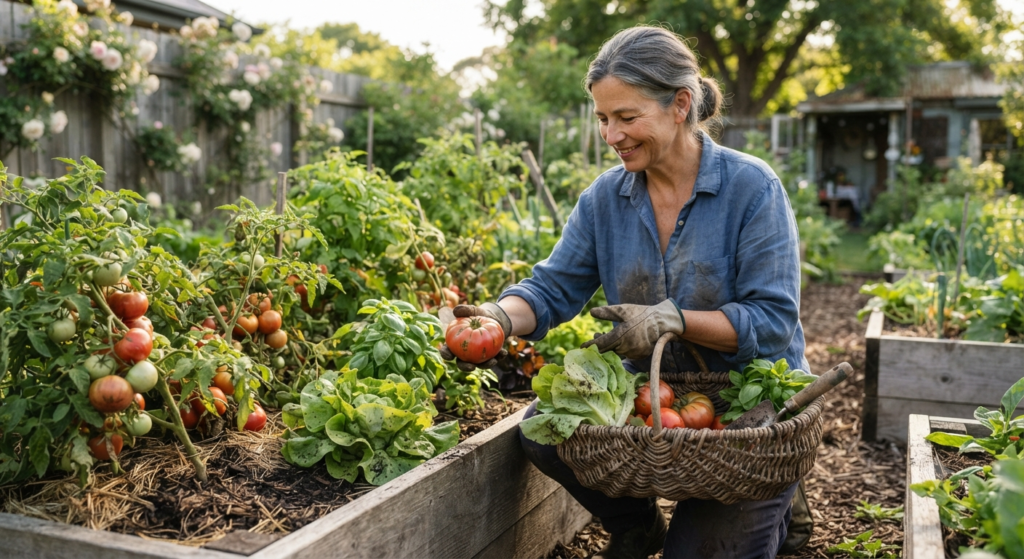
Pick vegetables regularly once they reach their mature size. Frequent harvesting often encourages plants such as beans, cucumbers, and zucchini to continue producing.
Use clean scissors or pruning shears when harvesting to avoid damaging stems.
Gardening Through the Seasons
Every season brings different gardening tasks.
Spring
Prepare soil, plant cool-season vegetables, and start warm-season seedlings indoors if needed.
Summer
Water consistently, mulch heavily, harvest regularly, and monitor plants for pests.
Fall
Plant cool-weather crops, remove diseased plants, and add compost to prepare the soil for next season.
Winter
Clean tools, plan next year’s garden, order seeds, and protect perennial plants from freezing temperatures.
Following seasonal routines helps keep your garden productive year after year.
Grow Vegetables Successfully in Containers
Don’t have a large backyard? You can still enjoy successful vegetable gardening by growing vegetables in containers.
Many vegetables grow well in pots, grow bags, and raised containers, including:
- Tomatoes
- Peppers
- Lettuce
- Spinach
- Radishes
- Green onions
- Herbs
- Bush beans
Choose containers with drainage holes and use high-quality potting mix instead of regular garden soil. Place containers where they receive at least six hours of sunlight daily and water them more frequently because container soil dries out faster.
Common Vegetable Gardening Mistakes
Every gardener makes mistakes, especially during the first growing season. Learning from these mistakes will help you become more successful.
Avoid these common errors:
- Planting vegetables too close together
- Overwatering or underwatering
- Ignoring soil quality
- Using poor-quality seeds
- Forgetting to mulch
- Harvesting vegetables too late
- Not rotating crops each year
- Applying too much fertilizer
Simple improvements in daily care often produce much better harvests.
Tips for Bigger and Healthier Harvests
If you want your garden to produce more vegetables, focus on consistency instead of complicated techniques.
Some of the best practices include:
- Water deeply and consistently.
- Add compost every season.
- Feed plants with organic fertilizers.
- Harvest vegetables regularly.
- Remove weeds before they spread.
- Check plants weekly for pests and diseases.
- Support climbing vegetables with stakes or trellises.
- Keep gardening tools clean to prevent disease.
Following these habits will improve both the quality and quantity of your harvest.
Frequently Asked Questions
What vegetables are easiest for beginners to grow?
Tomatoes, lettuce, radishes, green beans, cucumbers, spinach, zucchini, and peppers are among the easiest vegetables for beginners. They grow quickly and require only basic care.
How much sunlight does a vegetable garden need?
Most vegetables grow best with six to eight hours of direct sunlight each day. Leafy greens can tolerate partial shade, but fruiting vegetables such as tomatoes and peppers need plenty of sunlight.
How often should I water my vegetable garden?
Watering depends on the weather, soil type, and the vegetables you are growing. In general, deep watering a few times each week is better than light daily watering. Always check the soil before watering.
What is the best soil for vegetable gardening?
The best soil is loose, well-draining, and rich in organic matter. Adding compost before planting improves fertility, moisture retention, and overall soil health.
Final Thoughts
Vegetable gardening is one of the most rewarding ways to enjoy fresh, nutritious food while spending more time outdoors. With the right location, healthy soil, consistent watering, and regular maintenance, even beginners can grow an abundant harvest at home.
The key to long-term success is patience and consistency. Every season offers new opportunities to learn, improve, and enjoy the satisfaction of harvesting vegetables you’ve grown yourself. Whether you start with a few containers on a patio or a large backyard garden, vegetable gardening can become a healthy, enjoyable, and productive part of your everyday life.