

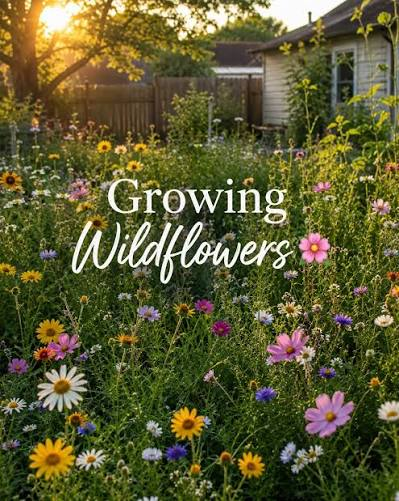
Wildflower gardening is a simple and beautiful way to bring a more natural feel to your outdoor space. Instead of keeping everything perfectly trimmed, wildflowers allow your garden to look colorful, relaxed, and full of life while attracting bees, butterflies, and other helpful pollinators.
One of the best things about growing wildflowers is that you do not need a large garden to get started. You can grow them in a small corner of your yard, along a garden border, or even in containers. With the right mix of flowers, you can enjoy different colors and blooms throughout the growing season.
Wildflower gardening can also be a great choice for anyone looking for a lower-maintenance garden. Once the plants are established, many varieties can grow with less watering and care than a traditional flower bed. With a little planning and the right plants, you can create a beautiful space that feels natural and welcoming.
What Is Wildflower Gardening?
Wildflower gardening involves growing a mixture of flowering plants in a natural or informal style. The garden may include annuals, perennials, native plants, grasses, and other species that provide different colors and textures throughout the growing season.
A wildflower garden does not have to look messy or completely unmanaged. You can design it carefully while allowing plants to grow in a more natural arrangement.
Some gardens are created from a prepared wildflower seed mix, while others are planted with individual species selected for specific locations.
Why Start a Wildflower Garden?
There are many reasons to try wildflower gardening.
Wildflowers can add color and variety to your landscape without requiring a perfectly manicured appearance.
They can also provide nectar and pollen for pollinators. Depending on the species you choose, a wildflower garden may attract bees, butterflies, moths, hummingbirds, and other beneficial wildlife.
Another advantage is the variety of plants available. You can select species that bloom at different times, creating seasonal interest from spring through fall.
Benefits of Wildflower Gardening
Supports Pollinators
Flowering plants can provide nectar and pollen for bees, butterflies, and other insects.
Planting several species with different flower shapes and bloom periods can provide resources for a wider range of pollinators.
Creates Wildlife Habitat
A wildflower garden can provide more than flowers.
Leaves, stems, seeds, and plant structures can offer food and shelter for insects and birds.
Leaving some plant material standing through winter can also provide valuable habitat.
Adds Natural Beauty
Wildflower gardens have a relaxed appearance that can make a yard feel more connected to nature.
Different flower heights, shapes, and colors create visual interest without requiring a formal planting arrangement.
Can Reduce Lawn Maintenance
Replacing part of a traditional lawn with suitable wildflowers can reduce mowing in that area.
However, wildflower gardens are not completely maintenance-free. They still need preparation, watering during establishment, weed control, and occasional management.
Encourages Plant Diversity
A mixture of wildflowers can provide more variety than a lawn dominated by a single grass species.
Greater plant diversity can support a broader range of insects and other organisms.
Native Wildflowers vs. Non-Native Wildflowers
When planning a wildflower garden, it is important to understand the difference between native and non-native plants.
Native wildflowers naturally occur in a particular region and have developed alongside local ecosystems.
Non-native plants come from other regions. Some are harmless garden plants, while others can become invasive under certain conditions.
For a wildlife-focused garden, native species are often an excellent choice.
Always research a plant before introducing it to your garden, particularly if it spreads quickly.
How to Choose Wildflowers for Your Garden
The right plants depend on your garden conditions.
Consider:
- Sunlight
- Soil type
- Soil moisture
- Drainage
- Climate
- Mature plant height
- Blooming period
- Available space
A plant that thrives in a dry, sunny meadow may struggle in a damp, shaded garden.
Choosing plants that naturally fit your conditions can make establishment much easier.
Choose the Right Location
Most wildflowers prefer plenty of sunlight.
A location receiving several hours of direct sunlight is usually a good starting point.
Observe your garden throughout the day before selecting the planting site.
Avoid placing sun-loving wildflowers beneath dense tree canopies or in areas where buildings block sunlight for most of the day.
For shady locations, choose wildflowers specifically adapted to woodland or partial-shade conditions.
Prepare the Soil
Good soil preparation is one of the most important parts of successful wildflower gardening.
Start by removing existing weeds and unwanted vegetation.
If you are converting a lawn, you may need to remove the grass or use a suitable method to suppress it before planting.
Avoid adding large amounts of fertilizer unless a soil test shows that it is necessary.
Many wildflowers naturally perform well in soils that are not extremely rich.
Do Wildflowers Need Fertilizer?
Usually, wildflowers do not need heavy fertilization.
Excessive nutrients can encourage aggressive plants and grasses to grow quickly, potentially competing with slower-growing wildflowers.
A soil test can help determine whether your garden needs amendments.
In many cases, selecting plants suited to your existing soil is better than heavily modifying the soil.
How to Plant a Wildflower Garden
Once the site is prepared, you can begin planting.
Wildflowers can be started from seeds, plugs, or young plants.
If using seeds, follow the recommended planting depth on the package.
Many wildflower seeds are very small and should not be buried deeply.
Pressing seeds gently into prepared soil can help improve seed-to-soil contact.
Keep the area appropriately moist during germination.
Growing Wildflowers From Seed
Seeds are one of the most affordable ways to create a wildflower garden.
Before buying a seed mix, check its contents carefully.
Look for species that are appropriate for your region and growing conditions.
Avoid choosing a mix based only on the picture on the package.
A good seed mixture should match your climate, sunlight, soil, and desired garden style.
When to Plant Wildflowers
The best planting time depends on the species and climate.
Some wildflowers are planted in fall, allowing natural winter conditions to help with germination.
Others are planted in spring after the risk of severe freezing has passed.
Check the instructions for the particular seeds or plants you choose.
How Often Should You Water Wildflowers?
Newly planted wildflowers need consistent moisture while their roots become established.
Water gently and regularly during the early stages of growth.
Once plants are established, many species may require less supplemental water, especially if they are naturally adapted to your local climate.
However, water needs vary significantly between species.
Avoid keeping the soil constantly saturated.
How Much Sun Do Wildflowers Need?
Many wildflowers prefer full sun.
However, there are also species that tolerate partial shade or woodland conditions.
Always check the light requirements of each plant before placing it in your garden.
If you are creating a mixed garden, group plants according to their sunlight needs rather than placing everything together.
Wildflowers for Bees
A bee-friendly wildflower garden should offer flowers throughout the growing season.
Choose several species that bloom at different times.
Single-flowered varieties can sometimes make pollen and nectar more accessible to pollinators than flowers with very dense layers of petals.
Avoid unnecessary pesticide use, particularly during periods when flowers are attracting active pollinators.
Wildflowers for Butterflies
Butterflies need both nectar sources and suitable places for reproduction.
Flowering plants provide nectar for adult butterflies, while certain host plants provide food for caterpillars.
A wildlife-friendly garden should therefore include more than attractive flowers.
Research local butterfly species and choose appropriate native host and nectar plants for your region.
Wildflowers for Birds
Birds can benefit from wildflower gardens through seeds, insects, shelter, and plant structures.
Allowing some mature flowers to produce seeds can provide food for seed-eating birds.
Shrubs and native grasses can also provide additional habitat.
Avoid removing every plant at the end of the growing season if you want to create a wildlife-friendly winter landscape.
Wildflower Gardening in Small Spaces
You do not need a large property to enjoy wildflower gardening.
A small garden bed can provide valuable habitat.
You can also grow suitable wildflowers in containers, window boxes, or patio planters.
Choose compact varieties for smaller spaces and make sure containers have good drainage.
Wildflower Gardens for Small Yards
In a small yard, use wildflowers as borders around pathways, patios, trees, or garden beds.
Instead of creating a large meadow, choose a small selection of species that bloom at different times.
This approach provides the natural beauty of wildflowers while keeping the landscape organized.
Wildflower Meadows
A wildflower meadow can work well for larger areas.
Meadows typically combine flowering plants with grasses and other vegetation.
The plants should be selected according to local conditions.
A meadow may look natural, but it still requires management to prevent invasive plants and unwanted species from taking over.
Wildflower Gardens in Containers
Containers are a convenient option for people who do not have suitable garden soil.
Choose a container with drainage holes and use an appropriate potting mix.
Select wildflowers that remain relatively compact.
Place the container where it receives the appropriate amount of sunlight.
Water when the soil begins to dry rather than following a rigid schedule.
How to Maintain a Wildflower Garden
A wildflower garden generally becomes easier to manage once established.
However, regular observation is still important.
Remove invasive weeds before they produce seeds.
Water new plants when necessary.
Prune or cut plants only when needed.
Allow some natural plant material to remain when appropriate for wildlife.
Avoid excessive fertilizer and unnecessary pesticides.
Do Wildflower Gardens Need Mowing?
Some wildflower areas benefit from occasional cutting.
The timing depends on the type of garden.
For a meadow, an annual or periodic cut may help manage unwanted growth and encourage the desired plants.
Do not automatically mow everything at the end of summer.
Research the management requirements of the species you are growing.
Common Wildflower Gardening Mistakes
Choosing the Wrong Seed Mix
Not every wildflower mix is suitable for every region.
Planting in Poor Light
Many wildflowers require full sun.
Overwatering
Constantly wet soil can cause root problems.
Adding Too Much Fertilizer
Excess nutrients can encourage competing vegetation.
Planting Too Deep
Small seeds may struggle to emerge if buried too deeply.
Expecting Immediate Results
Some perennial wildflowers take time to establish and may produce stronger growth in later seasons.
Ignoring Weeds
Weeds can compete with young wildflowers for light, water, and nutrients.
Choosing Potentially Invasive Plants
Always check local recommendations before planting unfamiliar species.
How to Make a Wildflower Garden Look Beautiful
A wildflower garden can be natural while still looking intentional.
Use plants of different heights to create layers.
Place taller species toward the back of a border and shorter plants near pathways.
Combine different flower colors and textures.
Include plants with different blooming periods.
Add rocks, paths, seating areas, or natural edging to give the garden a defined structure.
Best Wildflower Garden Design Ideas
Cottage-Style Wildflower Border
Combine flowering perennials with herbs, grasses, and informal paths for a relaxed cottage appearance.
Pollinator Garden
Focus on nectar-rich flowers that bloom throughout the growing season.
Meadow-Style Garden
Use grasses and flowering plants to create a larger natural landscape.
Wildflower Pathway
Plant low-growing flowers along a walkway to create a colorful border.
Container Wildflower Garden
Use compact species in containers for balconies, patios, and small outdoor spaces.
Frequently Asked Questions About Wildflower Gardening
Is wildflower gardening easy for beginners?
Yes. Beginners can start with a small area and choose wildflowers suited to their local climate, soil, and sunlight.
Do wildflowers come back every year?
Some wildflowers are annuals, while others are perennials. Perennials can return for several years under suitable conditions.
Do wildflowers need full sun?
Many wildflowers prefer full sun, but some species are adapted to partial shade. Always check individual plant requirements.
Do wildflowers need fertilizer?
Most established wildflowers do not require heavy fertilization. Excess nutrients can encourage competing plants.
How often should I water a wildflower garden?
Newly planted wildflowers need regular moisture while becoming established. Mature plants may need less supplemental water depending on species and climate.
Are wildflowers good for bees and butterflies?
Yes. Many wildflowers provide nectar and pollen for pollinators. Native species can be particularly valuable for local wildlife.
Can I grow wildflowers in pots?
Yes. Choose compact species and provide suitable soil, drainage, sunlight, and moisture.
What is the best time to plant wildflowers?
The best time depends on the species and your climate. Many are planted in spring or fall.
Final Thoughts
Wildflower gardening is a simple and beautiful way to bring a more natural feel to your outdoor space. Instead of keeping everything perfectly trimmed, wildflowers allow your garden to look colorful, relaxed, and full of life while attracting bees, butterflies, and other helpful pollinators.
One of the best things about growing wildflowers is that you do not need a large garden to get started. You can grow them in a small corner of your yard, along a garden border, or even in containers. With the right mix of flowers, you can enjoy different colors and blooms throughout the growing season.
Wildflower gardening can also be a great choice for anyone looking for a lower-maintenance garden. Once the plants are established, many varieties can grow with less watering and care than a traditional flower bed. With a little planning and the right plants, you can create a beautiful space that feels natural and welcoming.