

Winter is actually a great time to grow fresh vegetables, especially when you choose crops that can handle cooler temperatures. Many vegetables grow better in mild winter weather and can give you a fresh harvest even when most of the garden is slowing down.
From leafy greens and root vegetables to broccoli, carrots, peas, and other cold-tolerant crops, there are plenty of options for a productive winter garden. Growing these vegetables at home can also be a simple and rewarding way to enjoy fresh produce during the colder months.
With the right planting time, healthy soil, and a little protection from frost, you can grow a variety of winter vegetables successfully. Whether you have a large garden or only a few containers, winter gardening can help you make the most of your growing space throughout the season.
What Are Winter Vegetables?
Winter vegetables are crops that can grow or survive in cooler temperatures. Many are known as cool-season vegetables because they perform best when temperatures are lower than those preferred by summer crops.
Some winter vegetables can tolerate frost, while others may need protection when temperatures drop significantly.
Common examples include:
- Kale
- Spinach
- Carrots
- Radishes
- Broccoli
- Cauliflower
- Brussels sprouts
- Cabbage
- Swiss chard
- Peas
- Turnips
- Beets
- Onions
- Garlic
The best choices depend on your local climate and the length of your growing season.
Why Grow Winter Vegetables?
Growing winter vegetables offers several benefits for home gardeners.
One of the biggest advantages is that your garden can continue producing food outside the traditional summer growing season.
Cooler weather can also improve the flavor of some vegetables. Certain leafy greens and root crops can become sweeter after exposure to cold temperatures.
Winter gardening can also reduce pressure from some summer pests and provide a fresh harvest when garden produce may otherwise be limited.
Best Winter Vegetables to Grow
Different crops handle cold weather in different ways. Here are some excellent options to consider.
Kale
Kale is one of the most reliable winter vegetables for many cool-season gardens.
It can tolerate cold temperatures and may continue producing leaves when other crops have stopped growing.
Kale grows best in fertile, well-draining soil with plenty of sunlight.
Harvest individual outer leaves as needed while allowing the center of the plant to continue producing new growth.
Spinach
Spinach is another excellent choice for cool weather.
It prefers cooler temperatures and can grow during fall, winter, and early spring in suitable climates.
Spinach grows well in containers, raised beds, and traditional garden beds.
Keep the soil consistently moist but avoid waterlogged conditions.
Carrots
Carrots are popular root vegetables that can be grown during cooler months.
They prefer loose, well-draining soil so their roots can develop without obstruction.
Remove stones and large pieces of debris before planting.
Carrots can tolerate cool temperatures, and some varieties can remain in the ground for a while after reaching maturity.
Radishes
Radishes are fast-growing and can be a good choice for gardeners who want a quick cool-season harvest.
They prefer loose soil and consistent moisture.
Because radishes mature relatively quickly, they can be planted in succession to provide several harvests.
Avoid allowing them to remain in poor conditions for too long because mature radishes can become tough or overly spicy.
Broccoli
Broccoli grows best during cool weather and can be planted for a fall or spring harvest in many areas.
It requires fertile soil, consistent moisture, and adequate sunlight.
Broccoli plants need enough space to develop large heads.
Depending on the variety, side shoots may continue producing smaller florets after the main head is harvested.
Cabbage
Cabbage is a hardy cool-season crop that can tolerate chilly weather.
It needs fertile soil and consistent moisture to produce firm heads.
Cabbage can be started from seeds or transplants.
Protect young plants from severe weather and pests, especially during the early stages of growth.
Cauliflower
Cauliflower prefers cool growing conditions but can be more sensitive to temperature fluctuations than some other brassicas.
Provide fertile soil, regular moisture, and sufficient sunlight.
For the best results, choose varieties suited to your local growing season.
Brussels Sprouts
Brussels sprouts are particularly well suited to long cool seasons.
They develop slowly and may take several months to reach maturity.
Cold weather can improve the flavor of mature sprouts.
Because the plants become relatively large, provide enough space for healthy growth.
Swiss Chard
Swiss chard can provide colorful, nutritious leaves during cool weather.
It can tolerate cooler temperatures and may continue producing leaves through much of the winter in mild climates.
Harvest outer leaves regularly to encourage continued growth.
Turnips
Turnips are easy-to-grow root vegetables that perform well during cool weather.
Both the roots and young leaves can be harvested.
They grow best in loose soil with good drainage.
Because some varieties mature quickly, turnips can be useful for succession planting.
Beets
Beets are another excellent cool-season crop.
They can be grown for both their roots and edible greens.
Loose, fertile soil encourages better root development.
Keep moisture consistent throughout the growing period.
Peas
Peas prefer cool weather and can be grown during fall or early spring depending on your climate.
Some varieties require support, so provide a trellis or other structure if necessary.
Peas generally perform poorly during extreme heat, making cool-season planting particularly useful.
Onions
Onions can be grown during cooler parts of the year depending on the variety and local climate.
Choose varieties according to your region and expected day length.
Green onions are particularly convenient for cool-season gardening because they require less space than large bulb onions.
Garlic
Garlic is commonly planted in fall in many regions so the cloves can establish roots before winter.
The plants remain relatively quiet during the coldest part of the season and resume active growth when conditions improve.
Choose healthy planting cloves and provide loose, well-draining soil.
Lettuce
Lettuce is a popular cool-season crop that can be grown in garden beds and containers.
It prefers mild temperatures and may struggle during extreme heat.
For winter gardening, select cold-tolerant varieties and provide protection when severe weather is expected.
Mustard Greens
Mustard greens grow quickly and can tolerate cool temperatures.
They are useful for adding variety to a winter garden.
Harvest young leaves for a milder flavor or allow plants to grow larger for stronger-tasting greens.
Arugula
Arugula is another fast-growing leafy green for cool weather.
It can be grown in containers or garden beds.
Regular harvesting encourages new growth.
In very cold regions, use row covers or another form of protection to extend the harvest season.
How to Choose Winter Vegetables for Your Climate
Not every winter vegetable will grow well in every region.
Before planting, determine your USDA hardiness zone and understand your area’s first and last frost dates.
Then check the recommended planting time for each variety.
Some vegetables can survive frost but not prolonged freezing temperatures.
Others may continue growing slowly through winter and resume faster growth as spring approaches.
When to Plant Winter Vegetables
Planting time is one of the most important factors in growing winter vegetables.
Many crops should be planted in late summer or early fall so they have enough time to establish before temperatures become very cold.
Some can also be planted in late winter for an early spring harvest.
Read seed packets carefully because maturity times and planting recommendations vary by crop.
Prepare the Soil
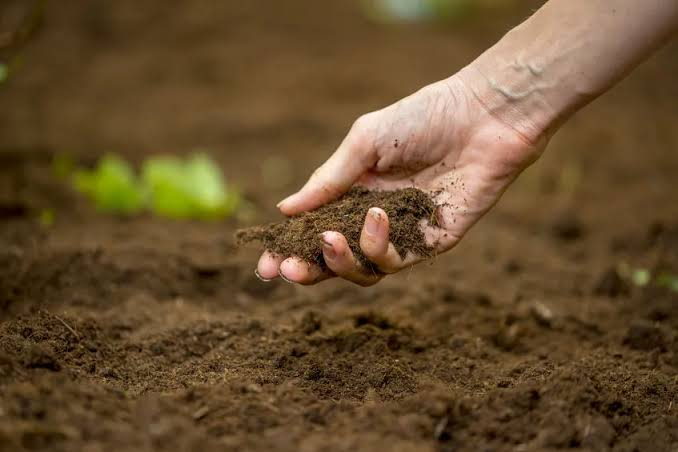
Healthy soil gives winter crops a strong start.
Remove weeds and old plant debris before planting.
Add well-aged compost if the soil needs additional organic matter.
The soil should be loose and well drained.
Avoid planting in areas where water regularly collects.
How Much Sunlight Do Winter Vegetables Need?
Most winter vegetables grow best in full sun.
Choose a location that receives several hours of direct sunlight each day.
During winter, the sun sits lower in the sky, so buildings and trees can create more shade than they do during summer.
Observe your garden before planting to identify the areas that receive the most winter sunlight.
How Often Should You Water Winter Vegetables?
Cool weather usually reduces evaporation, so winter gardens may not need as much water as summer gardens.
However, plants still need consistent moisture.
Check the soil regularly and water when the top layer begins to dry.
Avoid overwatering because cold, wet soil can contribute to root problems.
Protecting Winter Vegetables From Frost
Some crops can tolerate light frost, but severe freezes can damage even cold-hardy plants.
Row covers, frost cloth, cold frames, and simple garden tunnels can provide additional protection.
Containers may need extra protection because their roots are more exposed to cold temperatures.
Monitor local weather forecasts during periods of extreme cold.
Using Mulch in a Winter Garden
Mulch can help protect plant roots from temperature fluctuations.
Organic materials such as straw, shredded leaves, and compost can be used appropriately around many vegetables.
Keep mulch from directly touching plant stems.
A suitable mulch layer can also reduce weed growth and help maintain soil moisture.
Growing Winter Vegetables in Containers
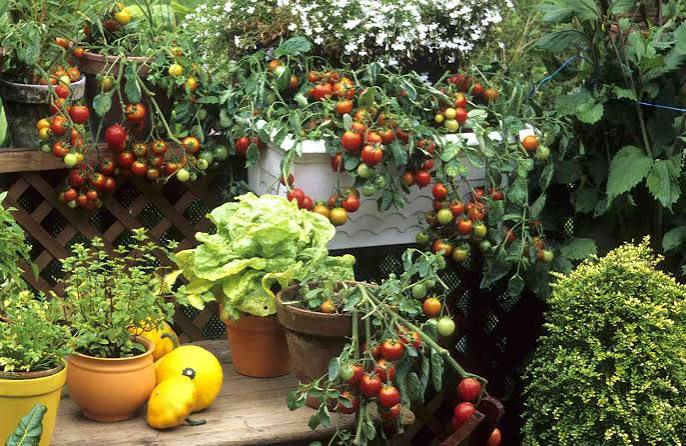
You do not need a large garden to grow winter vegetables.
Many cool-season crops can grow successfully in containers.
Lettuce, spinach, kale, radishes, green onions, and herbs can work well in suitable pots.
Choose containers with drainage holes and use quality potting mix.
Place containers in the sunniest available location and protect them from severe freezes when necessary.
Growing Winter Vegetables in Raised Beds
Raised beds can provide excellent drainage and make it easier to manage soil quality.
They can also be covered with hoops and row covers to extend the growing season.
Because raised soil can experience temperature changes more quickly, additional winter protection may be helpful in colder climates.
Succession Planting for a Continuous Harvest
Succession planting means sowing small amounts of vegetables at different times instead of planting everything at once.
This technique can help provide a more consistent supply of crops.
For example, you might plant radishes or leafy greens every few weeks during the appropriate season.
Always follow the recommended planting window for your climate.
Common Winter Vegetable Gardening Problems
Winter gardening has its own challenges.
Cold temperatures can slow plant growth significantly.
Wet soil can create root problems.
Shorter days mean less sunlight.
Pests can still be active during mild winter periods.
The best solution is to choose suitable varieties and adjust your planting and protection methods to local conditions.
Common Mistakes to Avoid
Planting Too Late
Some crops need time to establish before winter becomes severe.
Ignoring Frost Dates
Understanding your local frost dates helps you plan planting and protection.
Overwatering
Cold soil does not dry as quickly as warm soil.
Choosing Unsuitable Varieties
Always choose varieties that are appropriate for your climate and growing season.
Planting in Too Much Shade
Short winter days make sunlight especially important.
Forgetting Winter Protection
Even cold-tolerant crops can be damaged by extreme weather.
How to Harvest Winter Vegetables
Harvesting depends on the crop.
Leafy greens can often be harvested gradually by removing outer leaves.
Root vegetables can be pulled once they reach the desired size.
Broccoli should be harvested when the flower buds are firm and before they open.
Cabbage can be harvested when the heads become firm.
Always use clean tools and handle harvested vegetables carefully.
Frequently Asked Questions About Winter Vegetables
What vegetables can be grown in winter?
Popular options include kale, spinach, carrots, radishes, broccoli, cabbage, cauliflower, Brussels sprouts, lettuce, peas, turnips, beets, onions, and garlic.
What is the easiest winter vegetable to grow?
Radishes, spinach, kale, lettuce, and green onions are generally good options for beginners because they can grow relatively quickly and do not require large amounts of space.
Can vegetables survive frost?
Some vegetables are highly cold tolerant, while others can only handle light frost. Check the cold tolerance of each variety before planting.
Can I grow winter vegetables in containers?
Yes. Many leafy greens, radishes, green onions, and other compact crops can grow successfully in containers.
Do winter vegetables need full sun?
Most perform best with plenty of sunlight, although some leafy greens can tolerate partial shade.
Should I fertilize winter vegetables?
Healthy soil and compost can provide nutrients, but fertilizer requirements vary by crop. Avoid excessive fertilizer, especially when plants are growing slowly in cold weather.
How can I protect vegetables from freezing temperatures?
Row covers, frost cloth, cold frames, low tunnels, and other protective structures can help reduce cold damage.
Final Thoughts
Growing vegetables in winter is a great way to keep your garden productive even during the colder months. With the right crops and a little care, you can enjoy fresh, homegrown vegetables while making good use of your garden space.
Choose vegetables that suit your local climate, plant them at the right time, and protect them from harsh frost when needed. With some simple planning, a winter garden can be both easy to manage and rewarding.